Kathmandu, Nepal - A high-level parliamentary dialogue focused today on advancing gender-responsive food security and biodiversity governance has underscored the critical role of women’s leadership in addressing climate change, strengthening food systems, and promoting sustainable development in Nepal.
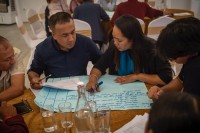
The dialogue, organized by the Food and Agriculture Organization (FAO) Nepal in partnership with the Women Rights and Resource Network (WRRN), brought together more than 150 participants, including approximately 70 Members of Parliament from federal and provincial assemblies. The event was held under a project aimed at strengthening the capacities of women parliamentarians and local leaders in climate, biodiversity, and food security governance.
Speaking at the event, Ken Shimizu, FAO Representative for Bhutan and Nepal, highlighted Nepal’s increasing vulnerability to climate change and biodiversity loss. He emphasized that women, who constitute nearly half of the country’s agricultural workforce, play a central role in building resilience within agrifood systems despite facing persistent productivity challenges.
According to Shimizu, addressing gender-based productivity gaps in agriculture could generate transformative benefits for food security, rural livelihoods, and economic growth. He stressed that empowering women farmers and leaders is essential for strengthening climate adaptation efforts and ensuring sustainable agricultural development.
The dialogue also featured remarks from Aarati Pathak, Chairperson of WRRN, who welcomed participants and highlighted the importance of inclusive decision-making processes. Chief Guest Lila Kumari Bhandari emphasized the need to elevate women’s leadership at all levels of governance and to ensure that women’s lived experiences are reflected in policies addressing climate change, biodiversity conservation, and food security.
Participants discussed strategies for strengthening gender-responsive governance frameworks and enhancing the role of women in environmental decision-making. The dialogue concluded with a shared commitment to advancing policies that recognize women as key agents of change in building resilient agrifood systems and safeguarding Nepal’s natural resources.
The event reinforced a clear message that empowering women is not only a matter of gender equality but also a prerequisite for achieving climate resilience, biodiversity conservation, and long-term food security in Nepal.
(Photo Source: FAO Nepal Facebook Post)
#WomenLeadership #ClimateLeadership #FoodSecurity #BiodiversityConservation #GenderEquality #ClimateAction #SustainableDevelopment #WomenInGovernance #AgrifoodSystems #Nepal #FAO #EcosphereNews