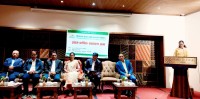
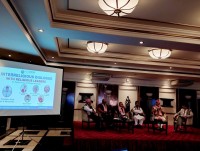
Kathmandu, Nepal - Amnesty International Nepal has officially launched its flagship publication, The State of the World’s Human Rights Report 2025/26, presenting a sweeping assessment of human rights conditions across 144 countries, while drawing attention to emerging global risks and persistent national challenges.
The annual report highlights a troubling global trajectory, warning of what Amnesty describes as a “predatory anti-rights order,” where fundamental freedoms are increasingly undermined by political, economic, and security interests. The findings point to shrinking civic space, rising authoritarian tendencies, and weakened accountability mechanisms in many parts of the world.
Nepal in Focus: Protest Crackdowns and Impunity Concerns
A significant portion of the report is dedicated to Nepal, where concerns have been raised over the handling of recent youth-led demonstrations, often referred to as Gen-Z protests. According to Amnesty, these events have been marked by allegations of excessive use of force, arbitrary detentions, and restrictions on freedom of expression.
The report also underscores the long-standing issue of state impunity in Nepal. Despite repeated commitments to transitional justice and accountability, progress remains slow, particularly in addressing past human rights violations linked to conflict-era abuses. Amnesty stresses that the absence of credible investigations and prosecutions continues to erode public trust in state institutions.
A Global Call for Accountability and Action
Amnesty International’s report emphasizes that human rights challenges are no longer confined within national borders but are interconnected and global in nature. It calls on governments worldwide to uphold international human rights obligations, protect civic freedoms, and ensure justice systems remain independent and effective.
Speaking during the launch event in Kathmandu, representatives reiterated the urgency of reversing current trends, warning that failure to act could deepen inequalities, fuel instability, and weaken democratic governance globally.
Implications for Policy and Society
For Nepal, the report serves as both a reflection and a warning. As the country navigates democratic consolidation and socio-political transformation, ensuring accountability, protecting civic space, and respecting fundamental rights will be critical for sustainable development and social cohesion.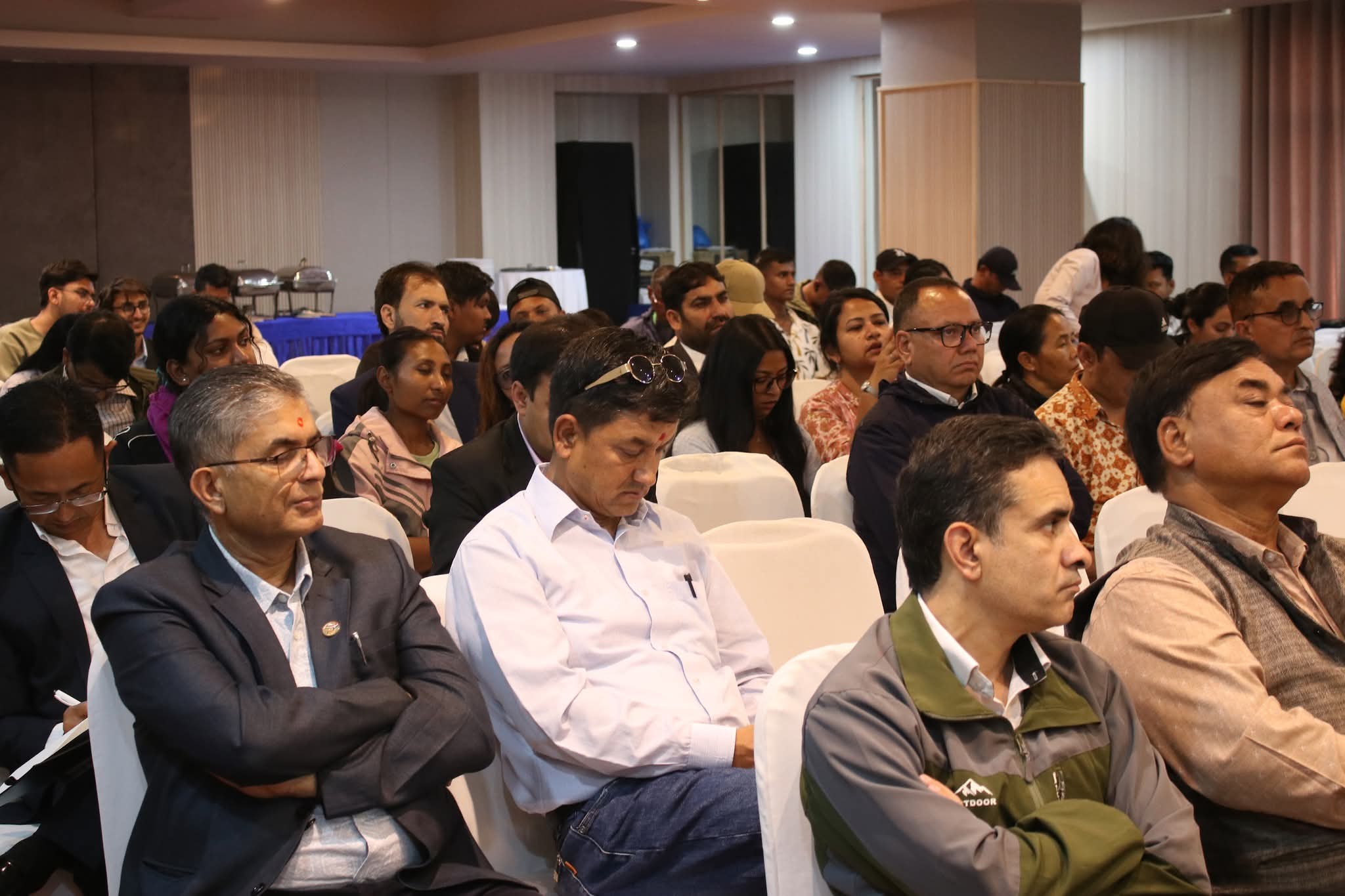
The report ultimately reinforces that safeguarding human rights is not only a legal obligation but a foundational pillar for inclusive and resilient societies.
#HumanRights #AmnestyInternational #Nepal #CivicSpace #Justice #Accountability #GlobalRights #EcosphereNews #StateOfHumanRights2025 #Democracy #Governance #SocialJustice