Kathmandu, Nepal - The proposed Kaligandaki Reservoir Hydropower Project, once envisioned as an 844-megawatt initiative, has been revised to a capacity of 640 megawatts following detailed technical studies. The adjustment reflects ongoing efforts to optimize the project’s feasibility, environmental sustainability, and long-term energy output.
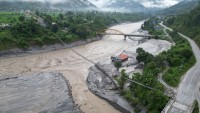
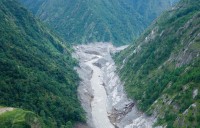
According to current project updates, the Environmental Impact Assessment (EIA) is under preparation, signaling a crucial phase in evaluating the ecological and social implications of the large-scale reservoir project. The proposed dam site lies approximately 10 kilometers upstream from the confluence of the Seti and Kaligandaki rivers, spanning areas of Kaligandaki Rural Municipality-6 in Gulmi and Bihadi Rural Municipality-2 (Barracaur) in Parbat district.
The project envisions the construction of a 244-meter-high dam, which would create a reservoir stretching nearly 29 kilometers upstream to Khaniyaghat. With a net head of 183.4 meters and a discharge capacity of 405 cubic meters per second, the project is expected to generate approximately 1,645.65 gigawatt-hours of electricity annually—making it a significant contributor to Nepal’s growing energy demands.
Technically, the hydropower facility will include four steel penstocks and four Francis turbines housed in a powerhouse located in Parbat’s Bihadi Rural Municipality. The scale and design of the project indicate a strong focus on efficient power generation, aligning with Nepal’s ambition to become a regional energy exporter.
However, the project is also expected to have wide-ranging impacts across multiple districts. In Parbat, areas within Jaljala Rural Municipality, Kushma Municipality, Phalebas Municipality, and Bihadi Rural Municipality will be affected. Similarly, parts of Baglung Municipality and Jaimini Municipality in Baglung, Kaligandaki Rural Municipality in Gulmi, and Galyang Municipality in Syangja fall within the project’s impact zone.
The feasibility study and environmental assessments are being conducted by the Department of Electricity Development in collaboration with international and national consultants, SMEC International and Z Consult. Their findings will play a decisive role in determining the project's final approval and implementation strategy.
While the project promises substantial energy generation and economic benefits, it also raises critical concerns related to displacement, biodiversity loss, river ecosystem disruption, and long-term environmental risks. As Nepal continues to invest in large hydropower infrastructure, balancing development with environmental integrity and community rights remains a central challenge.
The project site is accessible through major transport routes including the Prithvi Highway, Pokhara-Baglung road section, Dobilla-Phalebas road, Kaligandaki Highway, and the Kaligandaki Corridor, indicating logistical feasibility for construction and future operations.
As the EIA process progresses, stakeholders, including local communities, environmental experts, and policymakers, are expected to closely scrutinize the project to ensure that development does not come at an irreversible ecological and social cost.
#KaligandakiProject #HydropowerNepal #SustainableDevelopment #EnergyTransition #EnvironmentalImpact #NepalEnergy #WaterResources #InfrastructureDevelopment #ClimateAction #EcosphereNews