Kathmandu, April 12, 2026 - A new global report by the United Nations has raised serious concerns that widening financial gaps, geopolitical tensions, and rising debt burdens could reverse decades of development gains, particularly in vulnerable and developing countries.
Released on April 9, the 2026 Financing for Sustainable Development Report assesses global progress toward funding the Sustainable Development Goals (SDGs) and implementing the 2025 Sevilla Commitment, an international agreement aimed at mobilizing approximately $4 trillion annually to meet development targets by 2030.
According to the report, the world is currently falling far short of this target. A persistent financing gap—estimated at around $4 trillion per year—continues to hinder efforts to address poverty, climate change, healthcare access, and infrastructure development.
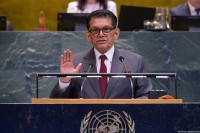
Speaking ahead of the report’s launch, Amina Mohammed emphasized that the Sevilla Commitment represents “the best chance” to reinforce global cooperation and secure the necessary investment to deliver on the SDGs.
However, the report highlights that global conditions have become increasingly unfavorable. Rising geopolitical fragmentation, ongoing conflicts, and economic uncertainty have slowed international investment flows. At the same time, many developing countries are grappling with escalating debt servicing costs, limiting their ability to invest in essential public services and climate resilience.
International financial institutions such as the International Monetary Fund and the World Bank are called upon to play a more responsive role in supporting developing economies. The report urges reforms to make global financial systems more inclusive, alongside expanding concessional financing and improving access to affordable capital.
The UN also stresses the need to scale up private sector engagement, strengthen domestic resource mobilization through effective taxation systems, and tackle illicit financial flows that drain national revenues.
Climate finance remains another critical concern. Developing countries—despite contributing the least to global emissions—continue to face disproportionate impacts from climate change, including floods, droughts, and extreme weather events. Without increased funding for adaptation and mitigation, these impacts could further derail development progress.
For countries like Nepal, the findings are particularly relevant. With growing climate vulnerabilities and limited fiscal space, sustained international cooperation and targeted investment are essential to ensure long-term sustainable development.
The report ultimately delivers a stark warning: without urgent and coordinated global action to close the financing gap, the world risks failing to achieve the SDGs by 2030—undermining progress on poverty reduction, inequality, and environmental sustainability.
#EcosphereNews #GlobalDevelopment #SDGs #UNReport #ClimateFinance #SustainableFuture #EconomicDevelopment #Nepal #GlobalEconomy #DevelopmentFinance #ActNow