Kathmandu, April 8, 2026 - More than five decades after the historic Earthrise photograph taken during the Apollo 8 mission, scientists warn that the once-pristine image of Earth has transformed into a symbol of both beauty and vulnerability, as the planet faces accelerating climate change.
The image, captured in 1968, is widely credited with inspiring the modern environmental movement by showing Earth as a small, fragile sphere floating in the vastness of space. Today, that same perspective is being revisited with growing concern, as scientific data reveals how significantly the planet’s climate system has changed within a single human lifetime.
Rising Temperatures and Carbon Levels
At the time the Earthrise photograph was taken, atmospheric carbon dioxide levels stood at approximately 320 parts per million (ppm). Recent global monitoring shows concentrations have now surpassed 420 ppm, largely driven by fossil fuel combustion, deforestation, and industrial activities.
This sharp rise in greenhouse gases has contributed to an increase in global average temperatures by about 1.1 to 1.3 degrees Celsius above pre-industrial levels. Scientists note that recent years have temporarily approached the critical 1.5°C threshold identified in international climate agreements.
Melting Ice and Rising Seas
One of the most visible consequences of climate change since 1968 is the rapid decline of glaciers and polar ice. Arctic sea ice has been shrinking at unprecedented rates, while glaciers worldwide-including those in the Himalayas-are retreating.
For countries like Nepal, this trend carries serious implications. Himalayan glaciers, often referred to as “water towers of Asia,” are crucial for freshwater supply. Their accelerated melting threatens long-term water security, agriculture, and downstream ecosystems.
Increasing Climate Extremes
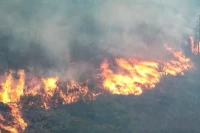
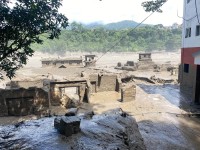
The planet has also witnessed a rise in extreme weather events. Heatwaves have become more frequent and intense, heavy rainfall events have increased, and prolonged droughts are affecting vulnerable regions. These changes are linked to a warmer atmosphere that can hold more moisture and energy.
Ecosystems Under Pressure
Environmental experts highlight that ecosystems are undergoing rapid shifts. Plant flowering seasons are changing, species are migrating to cooler regions, and biodiversity loss is intensifying. These changes reflect the growing stress on natural systems that once appeared stable in the Earthrise era.
A Growing Human Footprint
Since 1968, the global population has more than doubled, intensifying pressure on natural resources. Urban expansion, land-use changes, and increased consumption have significantly amplified environmental degradation.
From Inspiration to Urgency
While Earthrise inspired global environmental awareness, today’s reality demands urgent action. Scientists and policymakers increasingly emphasize that the window to limit catastrophic climate impacts is narrowing.
The concept of “Earthset”-a modern symbolic counterpart to Earthrise-represents not only technological progress in observing Earth but also a stark reminder of the planet’s changing condition.
Nepal’s Perspective
As a mountainous nation highly vulnerable to climate change, Nepal stands at the frontline of these global shifts. Melting glaciers, erratic rainfall patterns, and drying water sources are already affecting livelihoods, particularly in rural communities.
Experts stress that while Nepal contributes minimally to global emissions, it faces disproportionate risks, underscoring the need for climate justice and international cooperation.
Conclusion
From the hopeful optimism sparked by the Earthrise image to today’s climate reality, the story of Earth over the past five decades is one of transformation. The photograph that once unified humanity around environmental awareness now serves as a reminder of what is at stake.
The challenge ahead lies not only in observing the Earth but in safeguarding it for future generations.
#EcosphereNews #Earthrise #ClimateChange #GlobalWarming #EnvironmentalCrisis #Sustainability #HimalayanGlaciers #NepalClimate #ClimateAction #SaveOurPlanet