Baglung, Nepal - Nestled along the terraced hillsides of Nisikhola Rural Municipality-6, Tigrapani Village stands as a quiet yet resilient testimony to Nepal’s rural identity. Located in one of the most remote parts of Baglung district, the village reflects a unique blend of indigenous culture, traditional livelihoods, and deep-rooted harmony with nature.
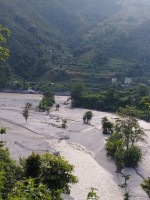
Surrounded by layered farmlands carved meticulously into the slopes, Tigrapani presents a landscape where green winter crops contrast against dry terraced fields and pine-covered hills. Stone houses with slate roofs dot the hillsides, while narrow foot trails connect homes, farms, and forests - forming the lifelines of this highland community.
Preserving Identity in Isolation
Despite its geographical remoteness, Tigrapani has preserved its distinct costumes, language, and cultural traditions. The villagers continue to wear traditional attire during festivals and rituals, reflecting their ethnic heritage. Local dialects, passed down through generations, remain central to daily communication, reinforcing a strong sense of identity and belonging.
Community elders emphasize that their customs are not merely symbolic but embedded in everyday life - from agricultural practices to social ceremonies. Seasonal festivals, oral storytelling, and collective farming traditions continue to shape social cohesion in the village.
Agriculture as the Backbone
Agriculture remains the primary livelihood for Tigrapani’s residents. The terraced fields visible across the hills demonstrate generations of indigenous knowledge in land management. Crops such as maize, millet, barley, and seasonal vegetables are cultivated largely through traditional methods, relying on natural rainfall and organic inputs.
The terraces not only provide food security but also serve as a sustainable model of soil conservation in fragile hill ecosystems. By preventing erosion and managing water flow, these agricultural systems highlight the community’s adaptive strategies in a changing climate.
However, villagers face challenges including limited road access, lack of modern irrigation systems, and youth migration to urban areas and abroad. With fewer young people remaining in the village, concerns are rising about the long-term sustainability of both farming and cultural continuity.
Infrastructure and Connectivity Gaps
Access to Tigrapani remains difficult, with residents relying primarily on foot trails and seasonal roads. Basic services such as healthcare facilities, higher education, and reliable communication infrastructure are limited. During monsoon seasons, mobility becomes even more challenging due to landslides and slippery terrain.
Local representatives have repeatedly called for improved rural infrastructure, arguing that better road connectivity, digital access, and agricultural support could significantly enhance livelihoods while allowing the community to preserve its traditional way of life.
Potential for Eco-Cultural Tourism
Given its scenic beauty, traditional settlements, and intact cultural heritage, Tigrapani holds potential for carefully managed eco-cultural tourism. The panoramic terraced landscapes, forested hills, and authentic village lifestyle could attract visitors seeking responsible rural tourism experiences.
Experts suggest that community-based homestays, promotion of local handicrafts, and documentation of indigenous language and customs could provide alternative income sources without disrupting the village’s social fabric.
A Microcosm of Rural Nepal
Tigrapani Village represents more than a remote settlement; it mirrors the broader realities of Nepal’s hill communities - resilience amid hardship, cultural richness alongside economic limitation, and sustainability rooted in tradition.
As Nepal advances toward modernization and green development, villages like Tigrapani highlight the importance of inclusive rural policies that protect cultural diversity while ensuring economic opportunity.
In the quiet terraces of Nisikhola, life continues at its own pace - grounded in heritage, shaped by nature, and sustained by community spirit. For Tigrapani, the future lies in balancing preservation with progress, ensuring that its unique identity remains intact for generations to come.