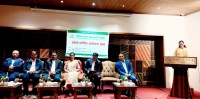
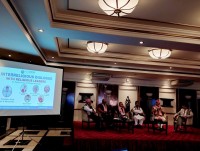
Kathmandu, October 30, 2026 - Unity in Health Nepal successfully concluded a programme today focusing on the mapping and capacity assessment of Nepal’s mental health nursing workforce, bringing attention to the need for stronger human resources, specialised nursing skills and improved mental health services across the country.
The programme, titled “Mapping and Capacity Assessment of the Mental Health Nursing Workforce in Nepal,” provided a platform to present research findings, exchange professional perspectives and discuss the challenges and opportunities facing mental health and psychiatric nursing in Nepal.
Organised by Unity in Health Nepal, the programme began with registration and participant arrivals, followed by welcome remarks and an introduction by Ms. Luvana Shrestha, Executive Director of the organisation.
The key research findings were presented by Ms. Chandrakala Sharma and Ms. Sagoon K.C. The presentation was followed by an open-floor discussion, allowing participants to share their views and discuss the existing situation and capacity of Nepal’s mental health nursing workforce.
A question-and-answer session and feedback from participants further contributed to the exchange of ideas. The closing session included representatives from the World Health Organization (WHO), the Nursing and Social Security Division, and the Epidemiology and Disease Control Division.
Mental Health Nursing: A Critical Component of Nepal's Healthcare System
Mental health and psychiatric nursing plays a vital role in bridging gaps in mental healthcare delivery in Nepal. Mental health nurses provide essential services in hospitals and community-based settings, including psychiatric assessments, patient monitoring, therapeutic communication, family counselling, medication administration and implementation of treatment and recovery plans.
However, Nepal continues to face a serious shortage of specialised mental health professionals, while the unequal distribution of available human resources creates additional barriers to accessing quality care, particularly in rural and underserved communities.
According to the World Health Organization's 2025 report, Prevention and Management of Mental Health Conditions in Nepal: The Case for Investment, the country had an estimated 75 psychiatric nurses, alongside 144 psychiatrists, including three child psychiatrists. The report also highlights the concentration of specialists in urban areas and the limited availability of trained professionals as major challenges for the national mental health system.
The Mental Health Hospital in Lagankhel, Lalitpur, remains Nepal's principal specialised public mental health institution. Psychiatric services are also provided through teaching and other hospitals, including Tribhuvan University Teaching Hospital (TUTH) and B.P. Koirala Institute of Health Sciences (BPKIHS), Dharan.
Alongside government institutions, organisations such as Jaya Mental Health have been contributing to mental health support through collaboration with local healthcare personnel and nurses, including clinical training, stress management and professional wellbeing initiatives.
Education, Professional Training and Nursing Qualifications
Developing a competent mental health nursing workforce requires appropriate academic qualifications, specialised clinical training, professional supervision and continuous capacity development.
Nursing education pathways in Nepal include general nursing qualifications, Bachelor of Science in Nursing (B.Sc. Nursing), Bachelor of Nursing Science (BNS) and postgraduate specialisation in psychiatric or mental health nursing.
Patan Academy of Health Sciences (PAHS), through its School of Nursing and Midwifery, offers psychiatric nursing as a specialised area within its nursing education programmes, including the Master of Nursing programme.
Professional registration with the Nepal Nursing Council (NNC), in accordance with the applicable requirements, is essential for nurses to practise legally in Nepal.
Strengthening specialised education and expanding opportunities for advanced clinical training are important steps towards developing a skilled, confident and adequately supported mental health nursing workforce.
Moving Towards a Stronger Mental Health System
The programme highlighted an important national priority: strengthening mental health nursing is not simply about increasing the number of healthcare professionals; it also requires improving professional recognition, equitable workforce distribution, institutional capacity, working conditions and access to continuous education.
A comprehensive mapping and capacity assessment can help identify gaps in the existing workforce, understand professional training requirements and support evidence-based planning for the future.
As Nepal continues its efforts to integrate mental health services into primary healthcare and community-based health systems, specialised nurses will remain essential to ensuring early identification, appropriate treatment, continuity of care and support for individuals and families affected by mental health conditions.
The successful conclusion of this programme marks an important opportunity for dialogue and collaboration among healthcare professionals, policymakers, academic institutions and development partners.
Building a stronger mental health nursing workforce is fundamental to achieving accessible, equitable and quality mental healthcare for everyone in Nepal.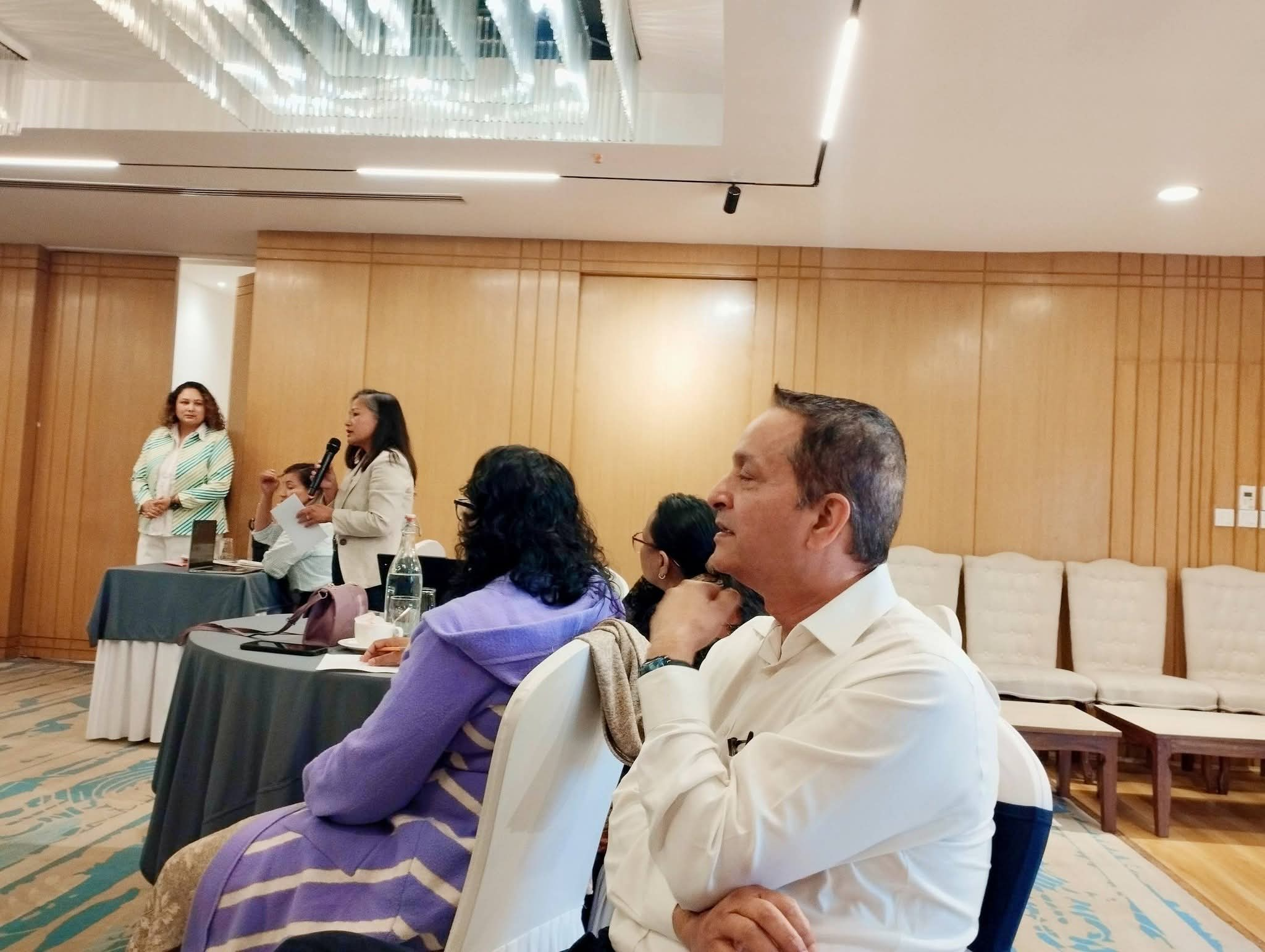
#MentalHealth #MentalHealthNepal #PsychiatricNursing #MentalHealthNursing #NursingWorkforce #HealthcareNepal #PublicHealth #MentalHealthAwareness #HealthSystemStrengthening #CapacityBuilding #WHO #UnityInHealthNepal #SustainableDevelopment #EcosphereNews