Ecosphere News | Global Development
Global efforts to advance sustainable development are gaining momentum through international partnerships, climate finance initiatives, biodiversity conservation, and targeted support for vulnerable countries. Recent developments in October 2026 highlight the importance of coordinated action to address poverty, climate change, environmental degradation, and growing inequalities.
From renewed cooperation between the United Kingdom and the United Nations Development Programme (UNDP) to biodiversity commitments at COP17 in Armenia, these initiatives underscore the need to translate international pledges into measurable improvements in people's lives and the health of the planet.
UK-UNDP Partnership Supports Global Development
The United Kingdom and UNDP have continued their development partnership, focusing on crisis response, energy restoration, de-mining, and support for communities affected by conflict and instability. The partnership's reported reach includes programmes benefiting approximately 1.1 billion people worldwide.
Countries and territories facing major humanitarian and recovery challenges, including Ukraine, Sudan, Lebanon, and Gaza, remain important contexts for international development assistance. Such cooperation highlights the role of multilateral institutions in supporting recovery, strengthening resilience, and helping communities rebuild essential services.
Green Climate Fund Advances Forest and Land Management Initiatives
The Green Climate Fund (GCF) continues to support climate action through investments in mitigation and adaptation. Among the initiatives highlighted in recent updates is cooperation involving the Food and Agriculture Organization of the United Nations (FAO) and Mexico's National Forestry Commission to advance forest protection and sustainable land management, in line with ambitions to achieve zero net deforestation by 2030.
Protecting forests and restoring degraded landscapes are essential for reducing emissions, conserving biodiversity, safeguarding water resources, and supporting the livelihoods of forest-dependent communities. Effective implementation will require strong national institutions, community participation, transparent monitoring, and long-term financing.
COP17 Places Biodiversity and Sustainable Development in the Global Spotlight
The 17th meeting of the Conference of the Parties to the Convention on Biological Diversity (CBD COP17), held in Yerevan, Armenia, in October 2026, has brought renewed attention to the global biodiversity agenda and implementation of the Kunming-Montreal Global Biodiversity Framework.
The conference provides an important opportunity for countries to assess progress, strengthen national commitments, and accelerate action to halt and reverse biodiversity loss. Its priorities are closely connected with Sustainable Development Goal 15, which calls for the protection, restoration, and sustainable use of terrestrial ecosystems.
Biodiversity conservation is also fundamental to food security, water availability, climate resilience, and the well-being of Indigenous Peoples and local communities. Delivering meaningful progress will depend on implementation, adequate resources, and accountability for commitments made by governments.
Nepal's Climate Vulnerability Highlights the Need for Loss and Damage Support
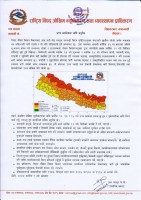
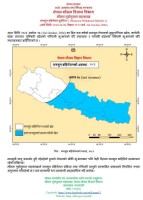
Nepal's exposure to climate-induced disasters has renewed international attention on the financial needs of vulnerable, low-emitting developing countries. Severe floods, landslides, and other climate-related hazards can cause extensive loss of life, damage infrastructure, disrupt livelihoods, and undermine years of development progress.
The global Fund for Responding to Loss and Damage is intended to help particularly vulnerable developing countries address the economic and non-economic consequences of climate change. For Nepal, access to timely, predictable, and adequate support is important for recovery, reconstruction, and strengthening resilience in disaster-prone communities.
However, being considered for support should not be confused with receiving an approved allocation or disbursement. Any specific claim about Nepal's eligibility, funding status, or amount received requires confirmation from the relevant fund authorities.
Nepal's experience also reinforces calls for climate finance that reflects countries' vulnerability and limited contribution to global greenhouse gas emissions. International assistance must complement domestic preparedness, early-warning systems, resilient infrastructure, and locally led adaptation.
UN Launches SIDS Centre of Excellence
The United Nations has also highlighted cooperation for Small Island Developing States (SIDS), which face interconnected challenges related to climate change, rising sea levels, economic vulnerability, disaster risks, and limited access to development finance.
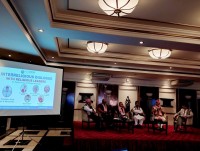
The SIDS Centre of Excellence and its digital platform are intended to strengthen knowledge-sharing, partnerships, and implementation of the Antigua and Barbuda Agenda for SIDS. Such initiatives can help island nations exchange practical solutions, mobilise expertise, and improve access to resources needed for sustainable and climate-resilient development.
For these countries, stronger international cooperation is particularly important as they work to protect coastal communities, diversify their economies, strengthen food and water security, and prepare for climate-related emergencies.
Turning Global Commitments into Measurable Results
Together, these developments illustrate the interconnected nature of sustainable development. Climate finance, biodiversity protection, humanitarian recovery, and international cooperation cannot be addressed in isolation. Progress in one area can reinforce outcomes in others, while inadequate investment or weak implementation can deepen existing vulnerabilities.
For governments, development institutions, the private sector, and civil society, the challenge is to ensure that international announcements translate into tangible outcomes: healthier ecosystems, stronger local economies, improved public services, resilient communities, and more equitable access to opportunities.
For vulnerable countries such as Nepal and climate-exposed island nations, predictable finance, accessible technology, institutional capacity, and locally led solutions remain essential to achieving the Sustainable Development Goals.
As the world approaches the 2030 deadline for the SDGs, the measure of success will not simply be the number of partnerships announced or funds pledged, but the extent to which commitments produce lasting social, economic, and environmental benefits.
Ecosphere News will continue to follow global sustainable development initiatives, climate finance decisions, and environmental commitments shaping a more resilient and equitable future.
#SustainableDevelopment #SDGs #ClimateAction #ClimateFinance #Biodiversity #COP17 #GreenClimateFund #UNDP #FAO #LossAndDamage #ClimateJustice #Nepal #ForestConservation #ResilientCommunities #GlobalDevelopment #EnvironmentalSustainability #EcosphereNews