Lalitpur, Nepal - October 16, 2026
The growing frequency and devastating impacts of floods, landslides, extreme rainfall and other natural hazards across the world underscore an urgent reality: disaster preparedness, climate resilience and environmental protection must become global priorities rather than commitments postponed until the next catastrophe.
From the Himalayan mountains of Nepal to the storm-exposed coastlines of Mexico and the densely populated urban landscape of Istanbul, recent disasters demonstrate how quickly natural hazards can destroy homes, disrupt livelihoods, damage critical infrastructure and threaten human lives. Although these events have different causes and characteristics, they share a common lesson: communities need stronger preparedness, reliable early-warning systems and resilient infrastructure to withstand increasingly complex risks.
Nepal: A devastating reminder of Himalayan vulnerability
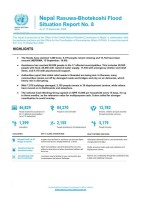
Nepal remains particularly vulnerable to floods, landslides and other mountain hazards. On October 11, a destructive flash flood swept through the Budhi Gandaki River corridor in Gorkha district after a landslide apparently blocked the river before the temporary barrier released a surge of water, sediment and debris.
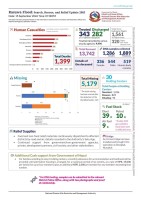
Preliminary reports indicated that dozens of houses and several bridges were destroyed or damaged, while five people were reported missing. Hydropower infrastructure and other essential facilities were also affected. The International Centre for Integrated Mountain Development (ICIMOD) highlighted the possible role of a landslide-dammed river in triggering the disaster.
The tragedy came weeks after the catastrophic August glacial collapse and associated flooding along the Nepal-Tibet border region, which reportedly killed more than 1,400 people and left thousands missing or unaccounted for, according to earlier disaster reporting.
These disasters expose serious gaps in the protection of mountain communities, roads, bridges, settlements and energy infrastructure. Nepal must strengthen real-time river monitoring, landslide surveillance, glacial lake and glacier hazard assessments, and last-mile warning systems. Local governments, security agencies, scientific institutions and communities must work together to ensure that warnings translate into timely evacuations and effective action.
The Budhi Gandaki flood also illustrates the importance of timely communication. Early SMS alerts reportedly helped residents move to safer ground, demonstrating that effective warnings can save lives even when a disaster unfolds rapidly.
Extreme rainfall: A growing challenge for cities
Istanbul has also experienced severe flooding after an exceptionally heavy downpour. Associated reporting confirmed at least three deaths, widespread disruption and the evacuation of thousands of stranded residents. The incident highlights the vulnerability of urban areas to intense rainfall, particularly where drainage systems, transport networks and emergency services face pressure beyond their capacity.
For rapidly urbanising cities across Asia and beyond, disaster resilience requires more than emergency response. Authorities must invest in effective stormwater drainage, protect natural waterways, prevent construction in high-risk zones, restore wetlands and urban green spaces, and improve public access to timely weather alerts.
Urban planning must recognise that rivers, wetlands and other natural systems are essential components of disaster-risk reduction, not obstacles to development.
Mexico and the mounting risks of powerful storms
Hurricane Simon intensified into a major hurricane in the eastern Pacific in October, bringing dangerous winds and heavy rainfall risks to Mexico's Pacific coast. The storm threatened vulnerable communities, coastal settlements and tourism-dependent areas.
Such events reinforce the importance of accurate forecasts, evacuation planning, resilient buildings and emergency shelters. Coastal communities also need long-term strategies that account for storm surges, erosion, flooding and the potential consequences of rising sea levels.
However, individual storms should not automatically be attributed to climate change without scientific analysis. The broader concern is that a warming climate can intensify certain extreme rainfall events and increase the risks associated with some tropical cyclones, depending on regional conditions and the characteristics of each event.
Forests, biodiversity and environmental security
Reports of forest fires, drought and hazardous haze in tropical regions also deserve serious attention. Forest destruction threatens biodiversity, undermines carbon storage, damages livelihoods and can expose communities to dangerous air pollution.
Governments must strengthen forest monitoring, prevent illegal land clearing, improve fire detection and response, and support Indigenous Peoples and local communities who play essential roles in protecting forests and biodiversity.
Claims linking particular fires to a so-called “Super Niño” should, however, be supported by reliable meteorological and scientific evidence. El Niño can influence rainfall and drought patterns in some regions, but its effects vary geographically and should not be used as a blanket explanation for every fire or drought.
Similarly, reports of earthquakes, volcanic eruptions and associated transport disruptions must be assessed through official geological, aviation and emergency-management sources before their impacts are published as confirmed facts.
Climate change, disaster risk and the responsibility to act
Natural hazards are not new. Earthquakes, volcanic eruptions, landslides, floods and tropical storms have shaped human societies throughout history. Yet climate change is altering important aspects of the risk landscape, particularly through rising temperatures, changing precipitation patterns, glacier retreat and increasing exposure to certain extreme weather events.
Disaster losses also reflect decisions made by governments, businesses and societies: where people build homes, how infrastructure is designed, whether ecosystems are protected, how warnings are communicated and whether vulnerable communities have the resources to prepare.
The poorest and most exposed communities often have the least capacity to recover, even when they contribute very little to global greenhouse gas emissions. This makes climate justice an essential part of the global disaster conversation.
International cooperation must therefore move beyond expressions of sympathy. Climate finance, adaptation funding, accessible disaster technology, scientific collaboration and support for loss and damage must reach the communities that need them most. Financial assistance should not create additional unsustainable debt burdens for countries already struggling with repeated disasters.
From emergency response to prevention
Ecosphere News believes that the international community must adopt a more comprehensive approach to disaster risk reduction.
First, governments should strengthen early-warning systems and ensure that warnings reach people in understandable, actionable forms. Second, investment in resilient infrastructure must be accompanied by responsible land-use planning and ecosystem restoration. Third, scientific institutions and disaster-management agencies should share data and cooperate across national borders, particularly in interconnected river basins and mountain regions.
Fourth, schools, communities, businesses and local governments should regularly practise evacuation procedures and emergency preparedness. Finally, governments and international financial institutions must ensure that recovery programmes rebuild communities more safely instead of reproducing the vulnerabilities that contributed to earlier losses.
The media also has a responsibility to report disasters accurately, distinguish verified information from preliminary claims, avoid sensationalism and provide practical information that helps protect lives.
The editorial position of Ecosphere News
The world cannot prevent every earthquake, volcanic eruption, storm or landslide. But it can reduce exposure, strengthen preparedness, protect ecosystems and avoid decisions that turn foreseeable hazards into catastrophic human tragedies.
For Nepal, the recent disasters are a compelling call to strengthen mountain hazard monitoring, protect river corridors, improve infrastructure standards and ensure that climate adaptation reaches remote and vulnerable communities. For the international community, they are a reminder that solidarity must be reflected in resources, technology, cooperation and sustained political commitment.
Disasters may cross borders, but responsibility for reducing their impacts must also be shared.
The choice before the world is clear: continue responding after lives and livelihoods have been lost, or invest now in prevention, resilience and a safer future for all.
Ecosphere News calls on governments, development partners, scientific institutions, businesses and communities to place human safety, environmental sustainability and climate resilience at the centre of development planning.
#EcosphereNews #Editorial #ClimateChange #ClimateResilience #DisasterRiskReduction #EarlyWarningSystems #ClimateJustice #LossAndDamage #Nepal #BudhiGandaki #GorkhaFloods #HimalayanHazards #GlacialRisks #ExtremeWeather #FloodRisk #Biodiversity #ForestConservation #SustainableDevelopment #EnvironmentalProtection #GlobalSolidarity