By Ecosphere News | August 25, 2026
The world is entering a potentially extraordinary climate period as a rapidly strengthening El Niño develops across the tropical Pacific, raising the prospect of exceptional heat, disrupted rainfall, food insecurity and cascading weather extremes through late 2026 and into 2027.
The World Meteorological Organization (WMO) says a strong El Niño is intensifying and is expected to dominate global climate patterns during August-October 2026. Forecast models indicate sea-surface temperature anomalies of about 2.9°C in key Pacific monitoring regions, while a positive Indian Ocean Dipole could further amplify drought, flood and wildfire risks around the Indian Ocean basin.
Some forecasters are now describing the developing event as potentially the strongest El Niño in recorded history. The UK Met Office has warned that Pacific sea-surface temperatures could exceed 3°C above average and that 2027 could potentially become the hottest year ever recorded. However, the precise strength and global consequences remain uncertain, and scientists caution against treating projections as inevitable outcomes.
Heat Meets a Warmer Planet
El Niño naturally redistributes heat from the tropical Pacific into the atmosphere. But today's event is unfolding on top of human-driven global warming and exceptionally warm oceans.
That combination could push global temperatures to extraordinary levels. A new record in 2027 is considered possible, although it is not yet certain. Temporary global temperature exceedance of the 1.5°C level above the pre-industrial average would also not mean that the Paris Agreement's long-term temperature threshold had permanently been breached.
The danger lies in the compound effects: extreme heat occurring alongside drought, wildfire, flooding and ecosystem stress.
Food Security Under Pressure
Agriculture is among the sectors most exposed. El Niño can reduce rainfall in some major agricultural regions while increasing destructive precipitation elsewhere.
The UN World Food Programme (WFP) estimates that the strengthening 2026-27 El Niño could push at least 49 million additional people into acute food insecurity across 45 countries by the end of 2027. WFP says the event is already threatening vulnerable communities and has activated anticipatory measures in several countries.
India is already facing a major warning sign. As of August 24, national monsoon rainfall was 13% below normal, with the possibility of the country's weakest monsoon since 2009. Further rainfall deficits could affect crops, soil moisture, water supplies and rural livelihoods.
A Global Patchwork of Extremes
El Niño does not produce identical weather everywhere. Instead, it shifts atmospheric circulation, increasing the likelihood of drought in some regions and heavy rainfall in others.
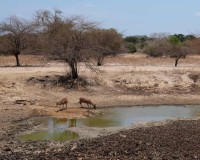
Parts of South and Southeast Asia, Australia and southern Africa face elevated drought and wildfire risks, while sections of South America may experience destructive rainfall and flooding. Western and northwestern Europe could also experience wetter and stormier conditions later in the year.
These are risk patterns, not guarantees: local outcomes depend on other atmospheric and oceanic conditions as well.
Beyond Weather: A Human Security Crisis
The consequences could spread from farms and forests to energy systems, water supplies, public health and global markets. Drought can reduce hydropower generation and disrupt river transport, while crop losses can raise food prices and intensify pressure on already vulnerable households.
Changing temperature and rainfall patterns can also alter the geographic and seasonal risks of climate-sensitive diseases, while warmer oceans and weakened upwelling can threaten marine ecosystems and fisheries.
For Ecosphere News, the central message is clear: the approaching El Niño is not simply another weather story. It is a major stress test for a planet already warmed by decades of greenhouse-gas emissions.
The scientific community is emphasizing early warning, preparedness and anticipatory action. WMO stresses that forecasts provide governments and communities with a valuable window to prepare before extreme impacts materialize.
The coming months will reveal how extraordinary this El Niño becomes. But one lesson is already visible: when natural climate variability meets a human-heated planet, the consequences can become considerably more dangerous.
#SuperElNino #ElNino2026 #ClimateChange #GlobalWarming #ClimateCrisis #ExtremeWeather #FoodSecurity #WaterSecurity #ClimateAction #ClimateScience #OceanWarming #Drought #Floods #Wildfires #EcosphereNews