Kathmandu, 7 October, 2026 - Kathmandu has an opportunity to transform itself into a more climate-resilient, smart and inclusive city by learning from urban strategies being implemented in cities around the world, experts and urban-development practitioners increasingly emphasize.
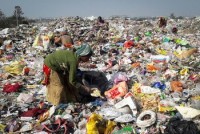
Rapid and often unplanned urbanisation, declining green spaces, rising temperatures, urban flooding, landslides, drought and growing pressure on infrastructure are creating complex challenges for Kathmandu Valley. Recent ecosystem-based adaptation initiatives in the Valley have highlighted the need to restore urban ecosystems while strengthening climate resilience and community participation.
International experience suggests that Kathmandu does not necessarily need to rely only on large and expensive infrastructure. A combination of green infrastructure, smart technology, reliable public information and meaningful community participation could provide practical solutions.
Turning Kathmandu into a “Sponge City”
One promising approach is the “sponge city” concept, which seeks to allow cities to absorb, store, filter and gradually release rainwater rather than rapidly sending stormwater into already overloaded drainage systems.
China's Wuhan has incorporated measures such as rain gardens, permeable paving, sunken green spaces, wetlands and other forms of green infrastructure into its sponge-city approach. Its municipal guidelines specifically promote permeable surfaces and rain gardens to increase rainwater absorption and reduce pressure on drainage systems.
For Kathmandu, similar measures could be incorporated into roads, sidewalks, parks, school grounds, public squares, river corridors and new urban developments. Restoring ponds, wetlands and natural drainage channels could also help retain water during intense rainfall while improving groundwater recharge and urban biodiversity.
Early Warning and Real-Time Disaster Information
Technology can also make cities safer when it is connected to effective emergency response systems.
Tokyo provides an important example. Its flood-control information system collects rainfall and river-water-level data automatically and provides real-time information, warnings and flood forecasts. Tokyo also uses weather radar, river cameras and other monitoring systems to support rapid responses to intense rainfall and flooding.
Japan's earthquake early-warning system similarly demonstrates how real-time observation and rapid communication can provide people with precious moments to respond to hazards.
Kathmandu could strengthen an integrated urban early-warning network linking rainfall gauges, river-level sensors, landslide monitoring, air-quality stations, weather forecasts and mobile alerts. Information should reach residents in clear and accessible formats, including Nepali and other locally relevant languages.
More Trees, Cooler Streets and Healthier Air
Urban forests and green corridors can provide more than aesthetic benefits. Medellín, Colombia, has developed green corridors and green walls incorporating trees, shrubs and other vegetation as part of its urban ecological network. The city's environmental authority says these interventions can help regulate temperature, absorb dust and pollutants, reduce noise and capture carbon and airborne particles.
Kathmandu could expand interconnected urban green corridors along roads, rivers, public spaces, schools and neighbourhoods rather than treating tree planting as isolated projects.
There is already evidence that community-based urban plantation can contribute to this transformation. A Kathmandu Valley Urban EbA initiative reported the planting of more than 10,000 saplings across public schools, open spaces, riverbanks and roadsides, with participation from municipalities, youth, women’s groups and local communities.
Smarter Traffic Management
Traffic congestion and vehicle emissions remain major urban challenges. Singapore demonstrates how technology can be used to manage traffic more dynamically.
Singapore's Land Transport Authority operates adaptive traffic-signal systems that use sensors and real-time traffic information to adjust signal timings according to traffic conditions. The country is also piloting newer systems using data and AI-based predictive capabilities to improve traffic management and detect incidents more quickly.
For Kathmandu, smart traffic management could combine traffic cameras, road sensors, public-transport data and real-time information to improve signal coordination, identify congestion and accidents, and give priority to public transport and pedestrians where appropriate.
The goal should not simply be to move more private vehicles faster, but to create a cleaner and more efficient urban mobility system.
Giving Citizens Access to Air-Quality Information
Public access to environmental information can also make residents active participants in urban health.
London's air-quality information systems provide current pollution information through monitoring networks, interactive maps and mobile applications, allowing people to see pollution levels and receive notifications.
Kathmandu could develop a similarly accessible citywide air-quality platform combining government, academic and community monitoring stations. Real-time information on PM2.5, PM10, nitrogen dioxide and other pollutants could help residents, schools, hospitals and policymakers make better decisions.
Digital Public Services
A smart city also needs smart public administration.
Estonia has built one of the world's most advanced digital-government systems, with essentially all state services available online. Its digital identity and secure data systems allow residents to access a wide range of government services without repeated physical visits and paperwork.
Kathmandu could gradually expand integrated digital municipal services, including building permits, waste-management requests, tax payments, business services, disaster reporting, public complaints and access to municipal information.
But digital transformation must remain inclusive. Residents without reliable internet access, smartphones or digital skills should not be excluded from essential public services.
Putting Communities at the Centre of Urban Decisions
A truly smart city cannot be built through technology alone. Citizens need a meaningful role in deciding how their neighbourhoods develop.
Porto Alegre in Brazil has long been associated with participatory budgeting, through which residents directly participate in determining priorities for municipal investments and services. The city's current participatory-budgeting system continues to involve residents in identifying investment priorities.
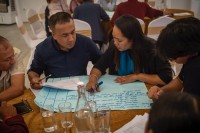
Kathmandu's municipalities could adapt such approaches by allowing residents, neighbourhood groups, women, young people, people with disabilities and marginalised communities to participate in decisions on parks, drainage, pedestrian infrastructure, waste management, public transport and other local priorities.
Public Transport and Accessible Public Spaces
Another important lesson is that urban resilience must include social and economic inclusion.
Curitiba, Brazil, became internationally recognised for its bus rapid transit approach, demonstrating how high-capacity public transport can become a central component of urban planning. For Kathmandu, expanding reliable, affordable and well-connected public transport could help reduce dependence on private vehicles while improving access to jobs, schools and essential services.
Public spaces must also be designed for everyone-including children, older people and people with disabilities. Sidewalks, crossings, parks, public buildings and transport facilities should incorporate universal-access principles rather than treating accessibility as an afterthought.
A Kathmandu Model for the Future
The lessons from Wuhan, Tokyo, Medellín, Singapore, London, Estonia, Porto Alegre, Melbourne and other cities should not be copied mechanically. Kathmandu has its own geography, culture, infrastructure constraints, governance structure and social realities.
Instead, the city can adapt the principles behind these approaches to local conditions.
A climate-resilient Kathmandu could combine:
🌧️ Sponge-city infrastructure to absorb and manage intense rainfall;
🌳 Urban forests and green corridors to reduce heat and improve air quality;
📡 Early-warning systems for floods, landslides and other hazards;
🚦 Smart traffic management to reduce congestion and emissions;
🌫️ Open real-time air-quality information for residents;
💻 Digital municipal services to reduce paperwork and improve transparency;
🗳️ Participatory planning and budgeting to give communities a stronger voice;
🚌 Affordable, reliable public transport connecting neighbourhoods with employment and services; and
♿ Universally accessible public spaces designed around the needs of all residents.
The transformation of Kathmandu ultimately requires more than technology. It requires better planning, stronger institutions, protection of urban ecosystems, accountable governance and sustained participation from communities.
As climate risks intensify, the choice facing Kathmandu is not simply whether to become a “smart city.” The greater challenge is to become a city that is smart enough to anticipate risks, green enough to withstand climate pressures, and inclusive enough to ensure that no community is left behind.
For Kathmandu, the future of urban development could therefore be built around a simple principle: design the city to work with nature, use technology to protect people, and put communities at the heart of decision-making.
#EcosphereNews #Kathmandu #KathmanduValley #ClimateResilience #ClimateAction #SmartCity #InclusiveCities #UrbanResilience #UrbanPlanning #GreenInfrastructure #SpongeCity #UrbanForests #NatureBasedSolutions #EarlyWarningSystems #AirQuality #SmartMobility #PublicTransport #DigitalGovernance #ParticipatoryPlanning #SustainableCities #ClimateAdaptation #Nepal #SustainableDevelopment #ResilientCities #UrbanClimate