Kathmandu - Education stakeholders have called for a clear, comprehensive and child-centred policy framework to strengthen early childhood and early grade education in Nepal, emphasizing that the formative years should be recognized as the foundation of children’s learning, social development, behaviour and overall personality development.
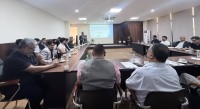
The call was made at the Symposium on Early Grade Education and Policy Framework, organized by the Association of Pre-School Educators Nepal (APEN) at Hotel Crown Imperial, Ravibhawan, Kathmandu on 4th October, 2026. The symposium brought together lawmakers, education experts, educators, child-development professionals and education advocates for discussions on the policy, institutional and practical aspects of early grade education.
The programme was chaired by Krishna Kumar Bohara, Central President of APEN, while Dr. Ojaswi Sherchan, Chairperson of the House of Representatives Committee on Education, Health and Information Technology, attended as the chief guest. Members of the House of Representatives Guru Prasad Baral and Ranju Darshana, along with experts and stakeholders from the education and child-development sectors, also participated.
During the symposium, experts presented papers on various dimensions of early childhood and early grade education. Dr. Mahashram Sharma, former Secretary of the Government of Nepal, presented on “ECD Policy Review and Future Direction.” APEN founding president Badriprasad Dahal presented on “Early Grade Education Ecosystem,” while education advocate Abhishek Ghimire spoke on “Early Grade Education through Community Perspective.”
Similarly, Indra Prasad Kafle, Registrar of Lumbini Buddhist University, presented on “Spiritual Peace and Values in Early Grade School Education,” while Dr. Meenakshi Dahal, an ECD expert, presented a synthesis and concluding remarks.
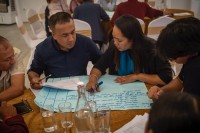
A panel discussion moderated by journalist Sama Thapa focused on the position of early childhood and early grade education in the proposed School Education Bill, the state's responsibility, teacher capacity development, institutional arrangements and the policy measures required to ensure quality education.
Members of Parliament Guru Prasad Baral and Ranju Darshana, education advocate Abhishek Ghimire and APEN President Krishna Kumar Bohara participated as panelists.
The symposium concluded that early childhood education should not be viewed merely as preparation for entry into school. Rather, it should be developed as a critical foundation for children's learning, behaviour, social development and holistic growth.
Stakeholders also called for the proposed education legislation to establish an Early Grade School structure covering children from three to nine years of age, with clear provisions for their care and quality education. They emphasized that policymaking should place children's needs, teachers' roles, learning environments and practical implementation at the centre.
Participants further stressed that without adequate investment, qualified human resources and effective regulation, Nepal would struggle to achieve the desired educational outcomes. They therefore urged the state to assume clear responsibility for strengthening the early education system and ensuring quality and equitable access.
APEN said the symposium was organized to promote dialogue and informed debate among stakeholders on the policy and institutional framework for early childhood and early grade education. The discussions also drew particular attention to the need to make provisions relating to early education in the proposed School Education Bill clear, practical, coherent and child-centred.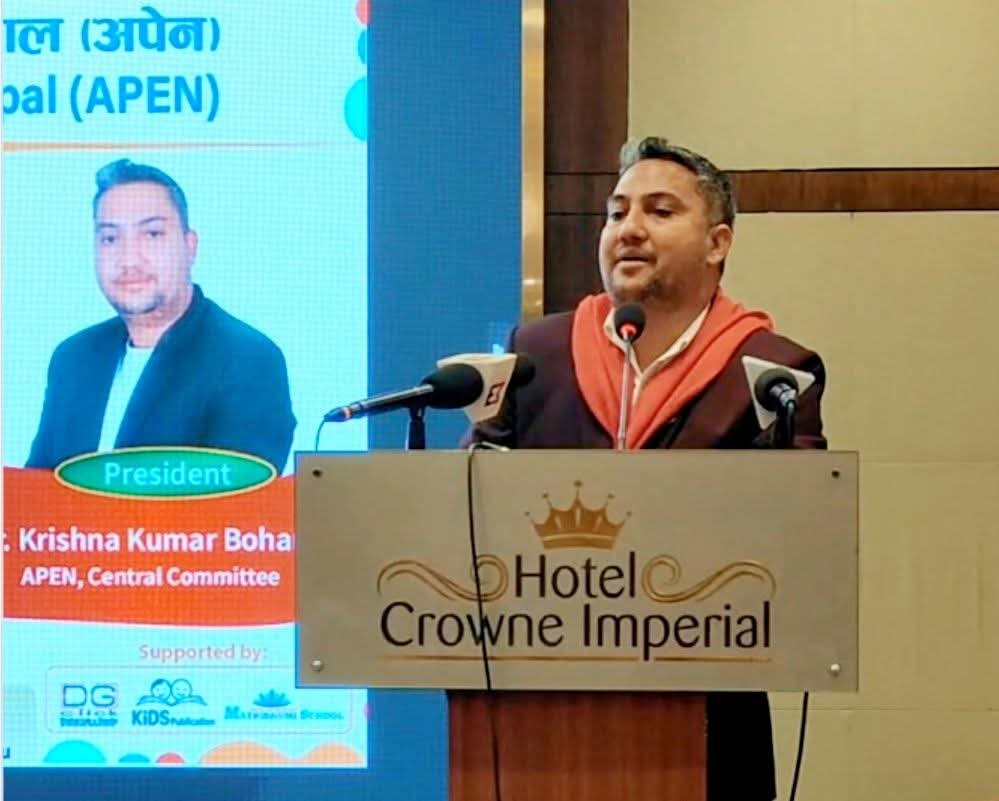
The recommendations emerging from the symposium come at a significant time as Nepal works to reform its school education system and determine how the earliest years of children's education should be integrated into the broader national education framework.
#EcosphereNews #EarlyChildhoodEducation #EarlyGradeEducation #ECD #EducationPolicy #EducationInNepal #ChildCentredEducation #QualityEducation #EducationReform #SchoolEducationBill #TeacherDevelopment #ChildDevelopment #InclusiveEducation #NepalEducation #SustainableDevelopment