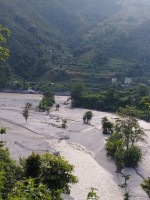
Kathmandu, Nepal - As climate change intensifies the frequency and severity of extreme weather events, Nepal faces an urgent need to rethink how its roads, bridges, hydropower projects, water systems, settlements and other critical infrastructure are planned, designed and maintained.
Climate-resilient infrastructure goes beyond building stronger structures. It means developing physical and natural systems that can anticipate climate risks, withstand shocks, recover rapidly and adapt as future conditions change.
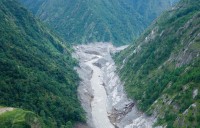
For a mountainous country such as Nepal, this approach is increasingly important. Steep and fragile Himalayan terrain, intense rainfall, flash floods, landslides, erosion and glacial-lake outburst floods (GLOFs) can rapidly damage infrastructure and disconnect communities. Recent disasters have demonstrated how a single extreme event can simultaneously affect roads, bridges, hydropower facilities, water supplies, communication networks and local economies.
Traditional infrastructure planning often relies heavily on historical climate and weather records. However, climate change is altering the conditions for which infrastructure was originally designed. Future projects therefore need to incorporate forward-looking climate projections, hazard mapping and scenario-based engineering rather than assuming that tomorrow's risks will resemble yesterday's.
For Nepal, this could mean flood-resistant roads, elevated bridges, improved drainage systems and bio-engineered slopes along vulnerable mountain highways. Water infrastructure can incorporate flexible storage, climate-smart irrigation and community-managed systems, while energy security can be strengthened through more resilient grids and decentralized renewable-energy networks.
Redundancy is another essential principle. Alternative transport routes, decentralized energy systems, backup communications and emergency water supplies can prevent a localized disaster from becoming a nationwide or regional service failure.
Nature itself can also become part of the infrastructure solution. Restoring wetlands, protecting river corridors, maintaining riparian vegetation and using bio-engineering for slope stabilization can reduce flood, erosion and landslide risks while providing wider ecological benefits. Such nature-based solutions (NbS) can complement, rather than replace, conventional engineering.
Early warning systems also need to be connected to the infrastructure and communities they are designed to protect. Monitoring rainfall, river levels, landslide movement and glacial hazards is most effective when warnings are rapidly communicated to communities, shelters, emergency services and infrastructure operators.
The economic argument for resilience is equally significant. The World Bank has reported that resilient infrastructure investment can generate substantial economic returns by reducing disaster-related losses, repair costs and service disruptions. Investing before a disaster can therefore be considerably different from repeatedly paying for reconstruction after one.
Nepal's challenge is not simply to build more infrastructure, but to build infrastructure that remains functional under a changing climate. This requires updating engineering standards and construction practices, strengthening risk-informed land-use planning, protecting natural drainage systems and applying geotechnical evidence when determining where reconstruction should take place.
It also requires moving away from repeated cycles of damage, relief and reconstruction toward prevention, preparedness and adaptation.
International approaches such as the Climate Resilient Infrastructure Handbook, initiatives on climate-resilient rural roads in South-West Nepal, OECD work on resilient infrastructure and the World Bank's Green, Resilient and Inclusive Development (GRID) framework offer useful reference points for policymakers and practitioners.
For Nepal and other climate-vulnerable countries, resilient infrastructure is ultimately more than an engineering ambition. It is an investment in continuity - keeping people connected, economies functioning, essential services operating and communities safer when climate extremes strike.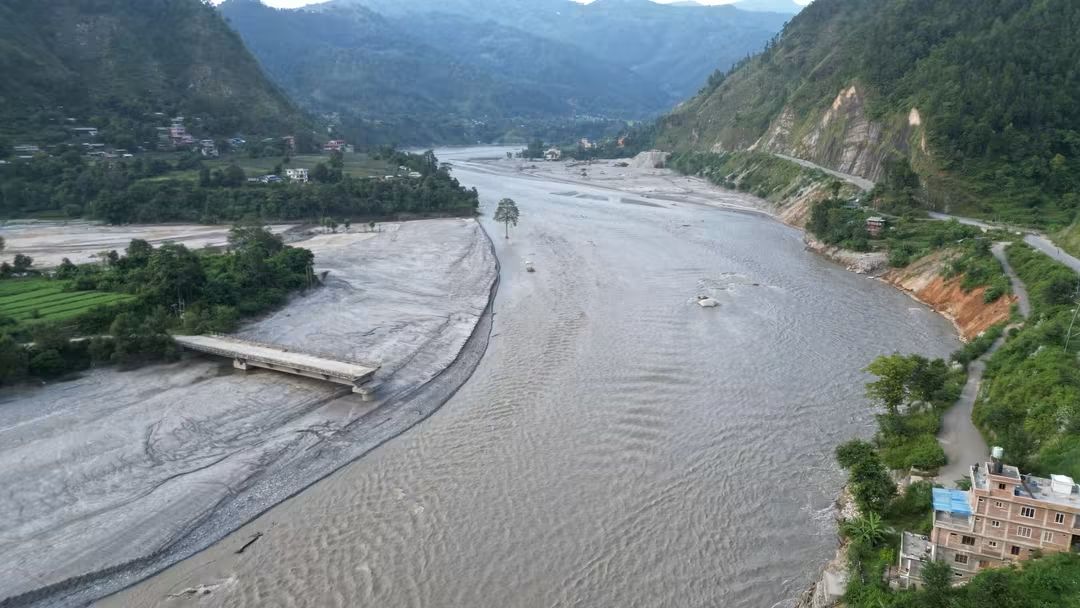
#ClimateResilience #ClimateChange #ResilientInfrastructure #Nepal #ClimateAdaptation #Himalayas #Infrastructure #DisasterRiskReduction #NatureBasedSolutions #GLOF #FlashFloods #Landslides #ClimateSmartInfrastructure #SustainableDevelopment #GreenInfrastructure #EarlyWarningSystems #ClimateAction #Resilience #NepalInfrastructure #EcosphereNews