Kathmandu, August 25, 2026 - Nepal has received 746.8 millimetres of rainfall during the first 60 days following the onset of the 2083 monsoon, from Asar 5 to Bhadra 1, according to rainfall details attributed to Nepal Weather Forecast.
The total rainfall recorded during the period is 89.9 percent of the long-term average. Nepal normally receives an average of 830.6 mm of rainfall during the corresponding 60-day period, meaning the country has received about 83.8 mm less than the average so far.
Rainfall at 89.9% of normal
Indicator/Rainfall
Rainfall recorded
746.8 mm
Average rainfall
830.6 mm
Compared with average
89.9%
Shortfall
83.8 mm
The figures indicate that the 2083 monsoon has so far been slightly drier than normal at the national level. However, a national average does not mean rainfall has been uniform across Nepal. Significant differences can occur between provinces, districts and even neighbouring locations, with some areas experiencing intense rainfall while others receive comparatively limited precipitation.
This season's rainfall pattern comes after a delayed monsoon onset. Nepal's monsoon entered the country on June 19, 2026, about a week later than the usual onset date, beginning from Koshi Province.
The Department of Hydrology and Meteorology (DHM) has also warned that the developing El Niño could contribute to a weaker monsoon, while emphasising the importance of continued monitoring and regular weather updates.
Why the rainfall deficit matters
Monsoon rainfall is critical to Nepal's agriculture, water resources, groundwater recharge and hydropower generation. Around 80 percent of Nepal's annual rainfall occurs during the summer monsoon season, making the distribution and timing of rainfall as important as the seasonal total itself.
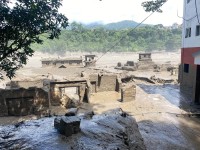
A rainfall total below the average does not automatically indicate drought conditions across the entire country. Conversely, below-normal seasonal rainfall can coexist with destructive flash floods and landslides when rainfall occurs in short, intense episodes.
For farmers, water managers and disaster-response agencies, the coming weeks will therefore remain important. Continued monitoring of rainfall distribution, river levels, soil moisture and weather forecasts will be essential as Nepal moves further into the monsoon season.
Ecosphere News will continue monitoring Nepal's monsoon, climate and extreme-weather developments with a focus on their implications for communities, ecosystems, agriculture and the country's water resources.
Source: Nepal Weather Forecast / rainfall figures provided for the 60-day period following the 2083 monsoon onset; contextual information cross-checked with the Department of Hydrology and Meteorology and recent reporting.
#EcosphereNews #NepalMonsoon2083 #NepalWeather #Monsoon2026 #Rainfall #ClimateChange #WeatherUpdate #NepalClimate #WaterSecurity #Agriculture #ExtremeWeather #DHM #ClimateRisk #Nepal