Kathmandu, 20 September 2026 - Nepal’s request for US$20 million from the global Fund for Responding to Loss and Damage (FRLD) has emerged as an important test of whether the international climate-finance mechanism can respond quickly to countries facing increasingly severe climate-related disasters.
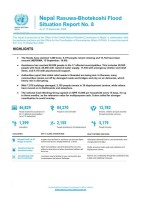
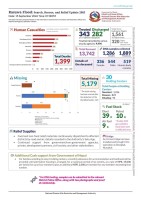
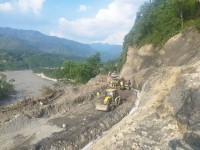
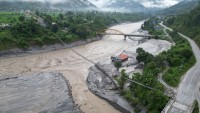
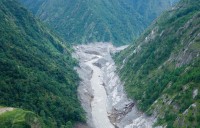
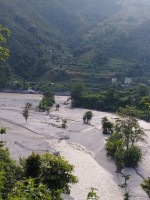
The request comes after the devastating 26 August Bhotekoshi-Trishuli floods, which followed a glacier collapse and landslide near the Nepal–China border. The disaster caused extensive destruction across Rasuwa and downstream districts, severely damaging settlements, roads, bridges and hydropower infrastructure. As of mid-September, Nepal had confirmed at least 1,399 deaths, while about 5,200 people remained unaccounted for, according to Nepal’s disaster authorities.
Nepal’s broader recovery requirement is far larger than the US$20 million request. A rapid government assessment has estimated Rs723.31 billion in recovery needs, with infrastructure-including hydropower, roads, housing and essential services-accounting for about three-quarters of the total.
The FRLD was established through international climate negotiations to help developing countries address loss and damage associated with climate change. Nepal separately submitted an urgent appeal on 31 August following the Bhotekoshi disaster, and the fund’s co-chairs have indicated that the Board is working to consider the request.
Nepal has already been approved for US$20 million under the Barbados Implementation Modalities, based on proposals submitted before the Bhotekoshi disaster. The Kathmandu Post reported that this funding is separate from Nepal’s emergency request related specifically to the August flood.
The significance of the Loss and Damage Fund extends beyond the amount of money involved. For climate-vulnerable countries such as Nepal, loss-and-damage finance represents an international mechanism specifically designed to address impacts that cannot be fully avoided through adaptation alone. The question now is whether the mechanism can deliver support with the speed required after a catastrophe.
The Bhotekoshi disaster has also intensified scientific attention to the changing risks in the Hindu Kush Himalaya. Recent research has linked warming temperatures, glacier thinning and permafrost degradation with increasing instability in high-mountain environments. Reuters reported that scientists examining the August disaster found evidence that climate change contributed to conditions that made the glacier collapse more likely.
For Nepal, the challenge is therefore not only rebuilding what was destroyed, but strengthening early-warning systems, glacier and mountain monitoring, resilient infrastructure, local preparedness and anticipatory action before the next disaster occurs.
The Bhotekoshi floods have placed a simple but consequential question before the international climate-finance system: can loss and damage finance move from an international commitment on paper to timely, accessible support for communities facing climate-driven risks on the ground?
#Nepal #LossAndDamage #ClimateFinance #ClimateJustice #BhotekoshiFlood #RasuwaFlood #ClimateChange #Himalayas #HinduKushHimalaya #GlacierMelt #DisasterRiskReduction #ClimateResilience #AnticipatoryAction #EarlyWarning #SustainableDevelopment #EcosphereNews