Kathmandu, Nepal - Nepal’s network of 13 national parks continues to stand as one of the country's greatest natural assets, safeguarding an exceptional range of ecosystems that stretch from the tropical forests of the Terai to the glaciers and towering peaks of the Himalayas. Together, these protected areas conserve globally significant wildlife, sustain critical watersheds, support local livelihoods, and strengthen Nepal’s position as a leading destination for nature-based tourism.
Nepal’s national parks collectively protect habitats for some of the world's most threatened wildlife species, including the Bengal tiger, greater one-horned rhinoceros, snow leopard, red panda, Asian elephant, wild water buffalo, swamp deer, sloth bear, and numerous species of birds and medicinal plants. They also preserve unique mountain landscapes that include several of the world's highest peaks.
In the Himalayan region, Sagarmatha National Park, a UNESCO World Heritage Site, protects the Mount Everest region, renowned for its glaciers, alpine ecosystems, and Sherpa cultural heritage. Langtang National Park, situated north of Kathmandu, is known for its forests, alpine meadows, and habitat for the endangered red panda. Makalu Barun National Park conserves an exceptional elevation range from subtropical valleys to Mount Makalu, making it one of Nepal’s richest biodiversity hotspots.
Further west, Rara National Park protects the country's largest freshwater lake, Rara Lake, surrounded by pine, spruce, and alpine forests. Shey Phoksundo National Park, Nepal’s largest national park, safeguards the trans-Himalayan ecosystem and the iconic turquoise Phoksundo Lake, while Khaptad National Park is recognised for its rolling grasslands, medicinal herbs, and spiritual importance associated with Khaptad Baba.
Nepal’s Terai national parks play an equally vital role in wildlife conservation. Chitwan National Park, another UNESCO World Heritage Site, remains internationally renowned for its successful conservation of the greater one-horned rhinoceros and Bengal tiger, alongside sustainable wildlife tourism. Bardia National Park, the largest protected area in the Terai, offers extensive habitats for tigers, elephants, gharials, and diverse birdlife in a comparatively less crowded environment.
Banke National Park serves as an important ecological corridor linking with Bardia National Park, enabling wildlife movement across western Nepal. Parsa National Park, bordering Chitwan, protects extensive sal forests that support leopards, sloth bears, wild dogs, and numerous other mammals and birds. In far-western Nepal, Shuklaphanta National Park is internationally recognised for its expansive grasslands, which sustain the world's largest known population of swamp deer.
Closer to the capital, Shivapuri Nagarjun National Park provides essential ecosystem services by protecting the Kathmandu Valley’s major water sources while also serving as a popular destination for hiking, birdwatching, and environmental education.
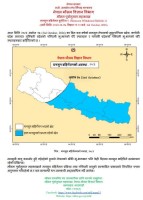
Nepal’s newest national park, Chhayanath National Park in Mugu District, was established to conserve fragile alpine ecosystems and important habitats for snow leopards and other high-altitude wildlife, further strengthening the country's protected area network.
Beyond biodiversity conservation, Nepal’s national parks contribute significantly to climate resilience, watershed protection, scientific research, eco-tourism, and the livelihoods of communities living in buffer zones. They also support Nepal’s national and international commitments to conserving biodiversity and addressing climate change through sustainable management of natural resources.
As global concerns over biodiversity loss and climate change continue to grow, conservation experts emphasise that effective park management, stronger community participation, scientific monitoring, sustainable tourism, and continued investment in conservation will be essential to safeguarding Nepal’s remarkable natural heritage for future generations.
#EcosphereNews #Nepal #NationalParks #Biodiversity #WildlifeConservation #NatureConservation #ProtectedAreas #ClimateAction #EcoTourism #MountEverest #ChitwanNationalPark #SagarmathaNationalPark #SnowLeopard #OneHornedRhino #BengalTiger #Himalayas #Terai #EnvironmentalProtection #SustainableDevelopment