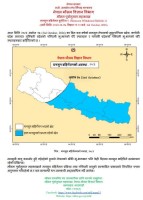
Kathmandu, Nepal - Nepal, officially the Federal Democratic Republic of Nepal, is a sovereign, landlocked country in South Asia, stretching from the fertile plains bordering India to the towering Himalayas along its northern frontier with China. Though geographically small, Nepal is remarkable for its extraordinary combination of mountains, biodiversity, cultures, languages and ancient civilizations.
Often described as a country of the Himalayas, Nepal is home to Mount Everest-the world’s highest mountain-and eight of the world’s fourteen peaks above 8,000 metres, making its landscape one of the most spectacular on Earth.
A Diverse Country in a Small Territory
Nepal has a population of roughly 30 million people and is home to more than 140 ethnic communities, with Nepali as the official language alongside more than 120 other languages spoken across the country.
The country became a federal democratic republic in 2008, ending its centuries-old monarchy. Today, Nepal operates under a federal parliamentary system with three tiers of government.
Kathmandu, the national capital, is a historic urban centre renowned for its distinctive Newari architecture, temples, courtyards and centuries-old cultural traditions.
Nepal also has one of the world's most distinctive national symbols: its national flag is the only national flag that is not quadrilateral, consisting of two joined triangular pennants.
From Tropical Plains to the High Himalayas
Nepal's extraordinary geography is reflected in three broad ecological regions.
The Tarai, stretching across the southern part of the country, is a low-lying and fertile plain where agriculture plays a central role in livelihoods. The region also contains important forests and wildlife habitats, including landscapes connected with some of Nepal's most celebrated national parks.
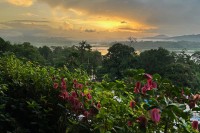
The Hill region forms the country's middle belt, characterized by valleys, terraced agriculture, forests, rivers and densely settled communities. Kathmandu Valley and many of Nepal's historic towns are located within this diverse landscape.
To the north rises the Mountain region, dominated by the Himalayas. Alongside Everest, Nepal's mountain landscape includes some of the world's highest and most iconic peaks, glaciers, deep valleys and high-altitude ecosystems.
A Living Tapestry of Culture and Heritage
Nepal's natural diversity is matched by its cultural richness. Hinduism and Buddhism have coexisted and influenced one another for centuries, while numerous other traditions and belief systems contribute to the country's cultural identity.
Temples, monasteries, shrines, stupas, festivals and traditional settlements remain an important part of everyday life. Nepal is also home to Lumbini, recognized internationally as the birthplace of Gautama Buddha and one of the world's most important Buddhist pilgrimage destinations.
From the Kathmandu Valley's historic monuments to Himalayan villages and the vibrant traditions of communities across the Tarai and hills, Nepal's heritage reflects generations of cultural exchange.
Nature, People and Hospitality
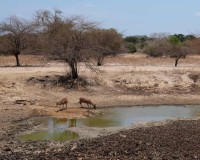
Nepal's appeal extends beyond its mountains. Its forests, wetlands, rivers, grasslands and protected areas support remarkable biodiversity, including the greater one-horned rhinoceros, Bengal tiger, red panda and hundreds of species of birds and other wildlife.
For millions of visitors, however, Nepal is also defined by its people. Communities across the country are widely known for their warmth, hospitality and strong social traditions.
Nepal therefore represents more than a destination on the map. It is a country where high mountains meet fertile plains, ancient heritage meets modern aspirations, and extraordinary biodiversity exists alongside diverse communities and cultures.
As Nepal continues its journey of development, protecting its natural ecosystems, cultural heritage and community values will remain essential to building a sustainable future.
#Nepal #VisitNepal #Himalayas #MountEverest #Kathmandu #Lumbini #Biodiversity #Nature #Culture #Heritage #Sustainability #Environment #Development #EcosphereNews
https://youtu.be/6XNRblXkxQs?si=bbW9ZssDsPX3ardU