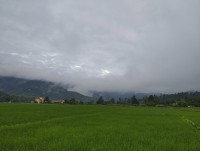
Baitadi - The villages surrounding Patan Municipality are witnessing a steady outmigration of residents, raising serious questions about the effectiveness of the long-promised “model city” development initiative.
Once envisioned as a symbol of planned urban growth, Patan was declared one of Nepal’s 10 model cities in the fiscal year 2066/67 B.S. (2009/10 A.D.). The declaration had raised expectations of well-planned settlements, improved road networks, reliable drinking water systems, effective drainage, modern healthcare facilities, and expanded employment opportunities. However, after nearly a decade and a half, much of the promised transformation remains incomplete.
Rural Exodus Accelerates
Villages connected to the municipal center, including Meltada, Bedauti, Lokhad, Tunaungair, and Paudi, are gradually losing population as residents migrate to the Tarai and urban centers in search of better opportunities.
In Meltada village, local resident Dan Bahadur Chand shared that a settlement which once housed around 35 families is now reduced to just 14. Similar trends are visible in Bedauti, where only six families remain out of nearly 20 households, according to local resident Labbu Chand.
Residents cite persistent challenges such as limited road access, inadequate drinking water supply, and lack of irrigation facilities as major reasons behind the migration trend.
Agriculture and Community Life Declining
Locals report that fertile farmland is increasingly turning barren due to labor shortages. Community activities, once central to village life, are also weakening. Residents say even organizing social events such as weddings and funerals has become difficult due to the declining population.
Rising Migration Figures
According to Ward Chairperson Rajendra Bista of Patan Municipality Ward No. 6, youth migration in search of employment opportunities is the primary driver of depopulation.
Official ward records show that 158 families have migrated from Ward No. 6 in the past decade alone. Alarmingly, 134 of these households left within the last five years, indicating a sharp increase in recent migration.
Unfulfilled “Model City” Vision
Despite initial planning that included land pooling, drainage systems, waste management infrastructure, modern hospitals, electrification, playgrounds, and commercial expansion, most projects remain incomplete or delayed.
Key infrastructure such as a model bus park and recreational park has been constructed but is not fully operational. Several structures are deteriorating due to lack of maintenance, while the proposed waste management system has not progressed as expected.
The land pooling process-considered the backbone of the model city concept-has also faced repeated delays due to insufficient coordination and implementation challenges.
Budget Constraints and Administrative Changes
Local stakeholders attribute the stagnation of development to irregular budget allocation and lack of continuity in project execution. The New City Project office has now been merged under the Urban Development and Building Construction Office, further slowing focused implementation.
For the current fiscal year, only limited funding has been allocated, raising concerns about the future of long-term urban development plans in the area.
Conclusion
What was once envisioned as a model of modern urban development has instead become an example of widening rural decline. As migration continues to empty villages, locals are left questioning whether development promises will ever translate into reality.
Without urgent intervention and consistent implementation of planned infrastructure, the challenge of reversing outmigration from Patan and its surrounding villages is expected to intensify further.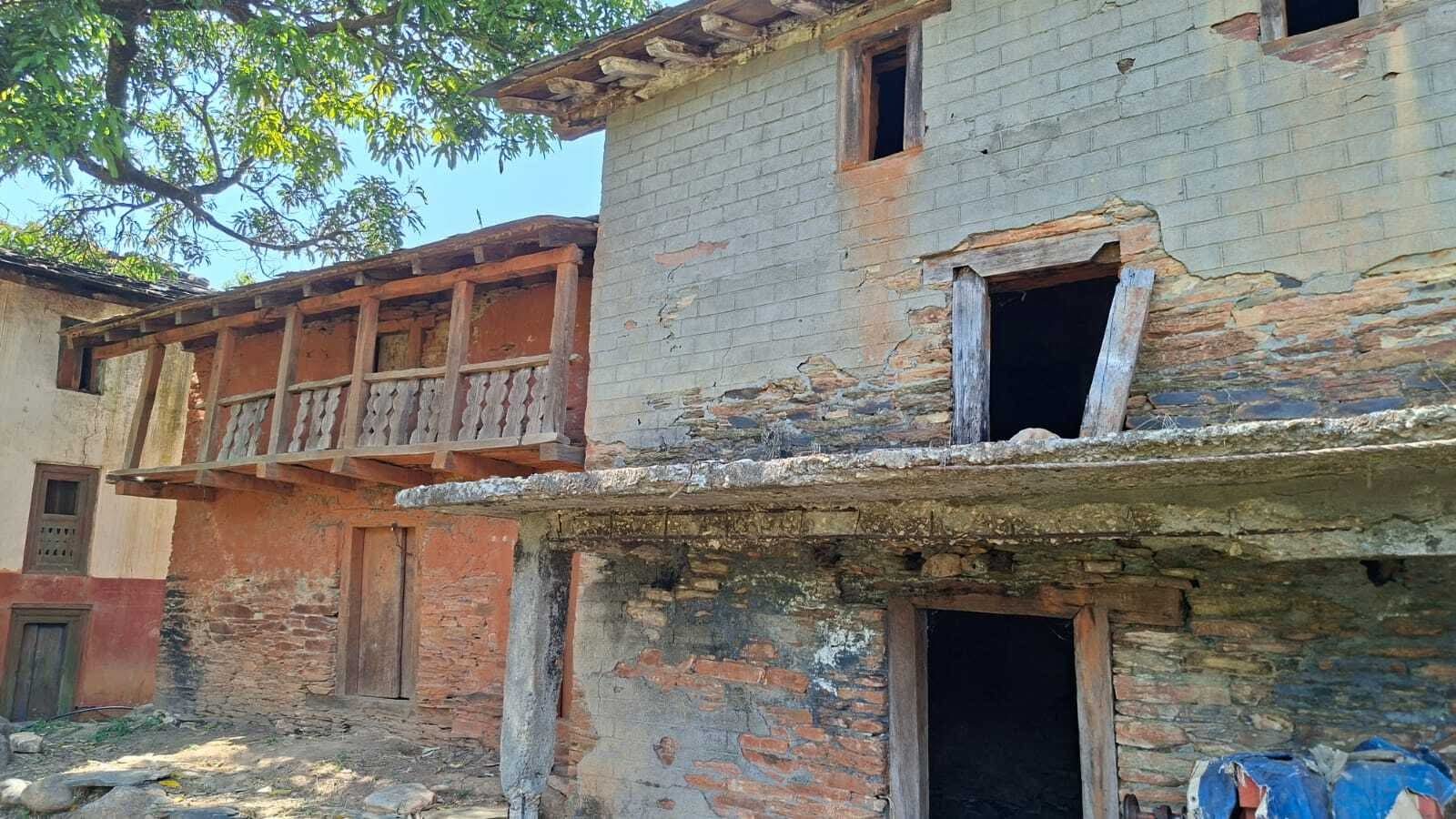
#Patan #Baitadi #NepalDevelopment #RuralMigration #UrbanPlanning #ModelCity #NepalNews #EcosphereNews #Infrastructure #RuralNepal #DevelopmentGap #YouthMigration #LandPooling #SudurpashchimProvince