Kathmandu, May 4, 2026 - Land classification remains a critical yet often misunderstood aspect of governance and environmental management in Nepal. Recent discussions among policymakers, urban planners, and local communities have highlighted the urgent need to clearly distinguish between different categories of land-particularly Ailani (unregistered), Government, and Public land-to ensure proper utilization, conservation, and legal protection.
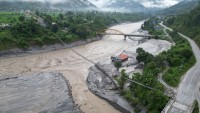
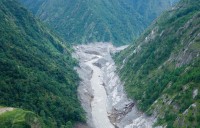
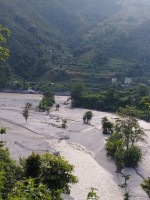
Ailani land, commonly found along riverbanks, near forests, and in barren or unused areas, refers to land that is neither registered under private ownership nor formally recorded under government authority. While such land often appears vacant, it plays a significant ecological role, especially in maintaining river systems, biodiversity corridors, and natural buffers against disasters like floods and landslides. Experts warn that the informal occupation of these lands, particularly in urban and peri-urban areas, has been increasing, raising concerns about environmental degradation and unplanned settlements.
In contrast, government land is legally registered in the name of the state and is allocated for official purposes such as schools, hospitals, administrative buildings, and security infrastructure. Authorities maintain that this category of land is strictly protected and cannot be privatized. However, cases of encroachment and misuse have periodically surfaced, underscoring the need for stronger monitoring and enforcement mechanisms.
Public land, on the other hand, is designated for communal use and serves as a vital component of social and cultural life. Roads, parks, playgrounds, temple premises, and traditional resting spaces like chautaris fall under this category. Urban expansion and infrastructure pressure have increasingly threatened these shared spaces, leading to reduced access for communities and loss of cultural heritage sites.
Urban development experts stress that the lack of clear demarcation and public awareness about these land categories has contributed to disputes, illegal occupation, and environmental risks. They emphasize the importance of systematic land surveying, transparent record-keeping, and community engagement to safeguard these resources.
As Nepal continues to urbanize rapidly, especially in cities like Kathmandu, effective land classification and management will be essential not only for legal clarity but also for sustainable development and environmental resilience.
#EcosphereNews #LandManagement #Nepal #UrbanDevelopment #EnvironmentalProtection #SustainableDevelopment #PublicLand #GovernmentLand #AilaniLand #Kathmandu #LandGovernance