As Nepal prepares for its graduation from the Least Developed Country (LDC) category in November 2026, the country’s textile and garment sector is intensifying efforts to enhance competitiveness and align with evolving global standards. Recognized as one of Nepal’s key export industries and a major source of employment-particularly for women-the sector is now under increasing pressure to meet international expectations on labour rights and human rights due diligence.
In response to these challenges, stakeholders across government, industry, and labour organizations are strengthening social compliance and responsible business conduct (RBC). With technical and institutional support from the International Labour Organization (ILO), initiatives are underway to build a more credible, resilient, and market-ready garment industry capable of sustaining growth beyond LDC status.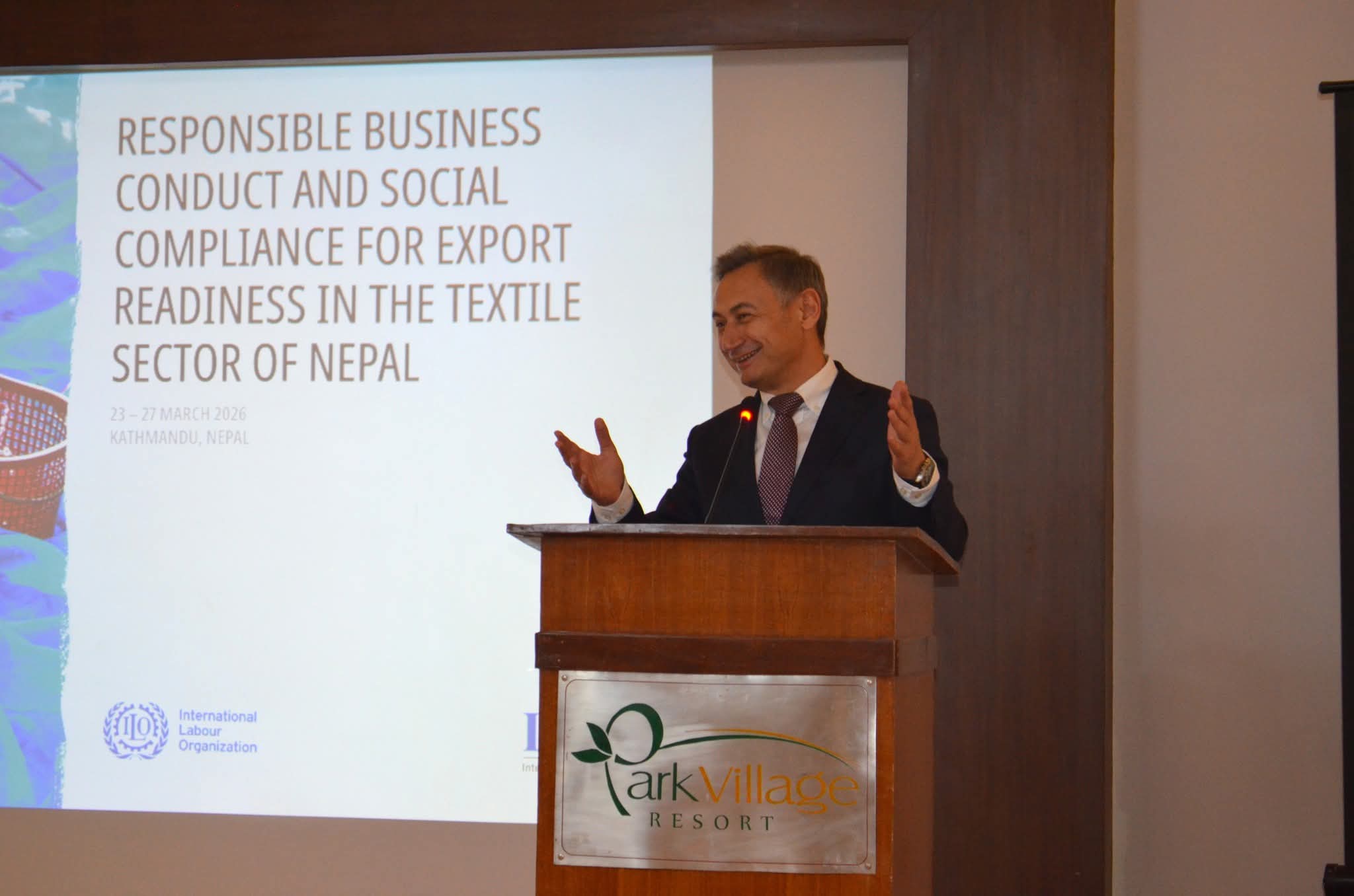
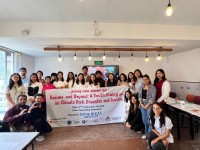
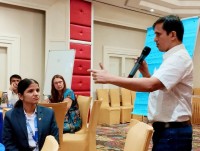
A significant step in this direction was a five-day training programme on Responsible Business Conduct and social compliance for export readiness, held in Kathmandu from March 23 to 27, 2026. The programme brought together representatives from government bodies, employers, and workers’ organizations, aiming to strengthen compliance standards, boost buyer confidence, and improve export preparedness.
The training was facilitated by the International Training Centre of the ILO (ITCILO) under an ILO-supported project focused on Nepal’s LDC graduation. Participants included entrepreneurs, industry associations, and representatives from workers’ unions, reflecting a collaborative approach to sectoral reform.
Key areas of focus included practical tools to promote decent work, improve workplace conditions, and support enterprise formalization-critical components for accessing global markets. The programme also emphasized the importance of social dialogue among stakeholders to ensure inclusive and sustainable development within the industry.
Organizations such as the Federation of Nepalese Chambers of Commerce and Industry (FNCCI), Joint Trade Union Coordination Centre (JTUCC), and United Nations Nepal have played supportive roles in advancing these efforts.
As Nepal moves closer to its LDC graduation milestone, such initiatives are expected to play a crucial role in strengthening the country’s export capacity while ensuring that growth remains inclusive, rights-based, and sustainable.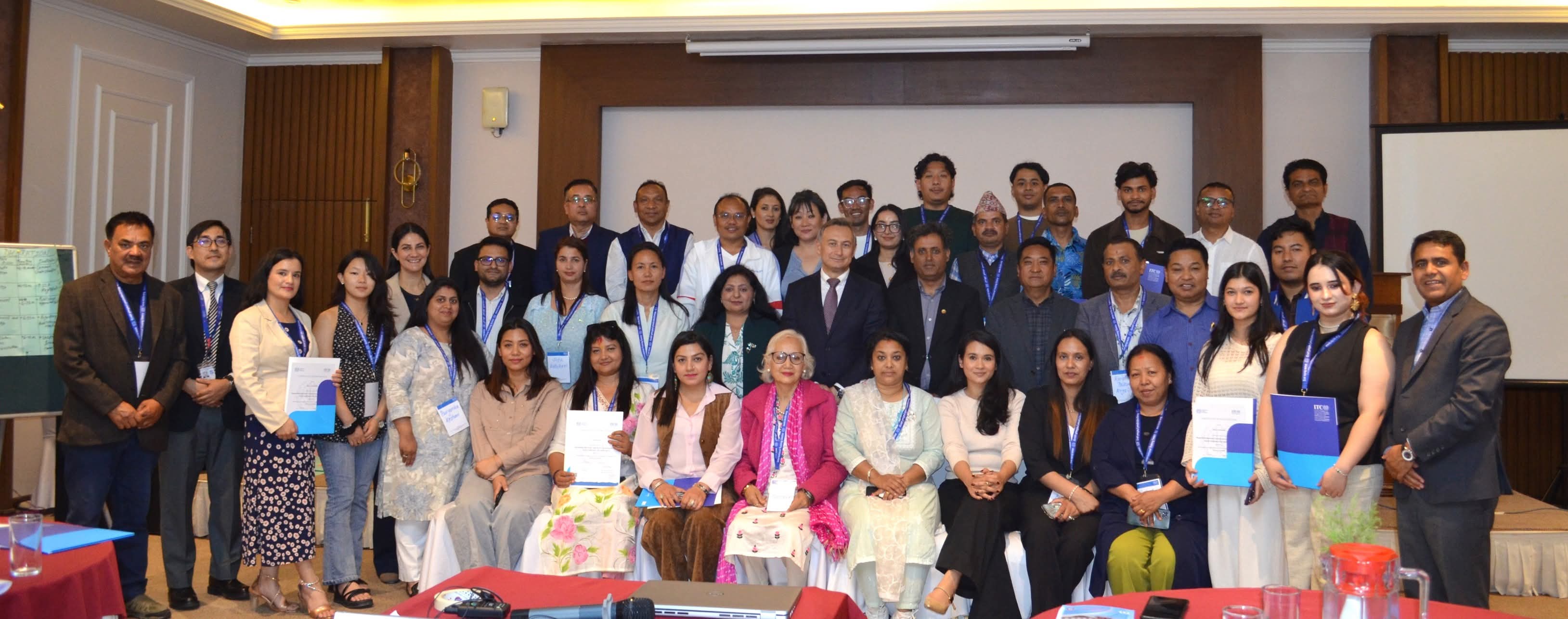
#EcosphereNews #Nepal #LDCGraduation #TextileIndustry #ResponsibleBusiness #DecentWork #SocialCompliance #SustainableDevelopment #ExportReadiness #ILO #WomenEmployment