Kathmandu, Nepal - Air pollution has emerged as one of the most pressing environmental and public health crises of the 21st century, affecting almost every person on the planet. According to global research, polluted air was responsible for approximately 8.1 million premature deaths worldwide in 2021, making it one of the leading environmental causes of mortality.
As the world observes the International Day of Clean Air for Blue Skies on 7 September, global institutions are urging governments, industries and communities to take urgent steps to address worsening air quality. This year’s theme, “Racing for Air,” highlights the urgency of tackling what António Guterres, the Secretary-General of the United Nations, has described as a “global emergency.”
Air Pollution Comes From Many Sources
Experts classify air pollution into two primary categories: indoor and outdoor pollution.
Indoor pollution is commonly caused by the burning of solid fuels such as wood, charcoal, animal dung and crop residues, widely used for cooking and heating by billions of people around the world. When burned, these fuels release microscopic particles known as fine particulate matter, including soot and black carbon, which can easily enter the human respiratory system.
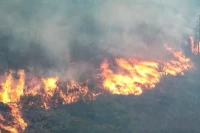
Outdoor air pollution, on the other hand, originates from multiple sources including industrial emissions, motor vehicles, forest fires and dust storms. Scientists identify several pollutants as particularly dangerous:
PM10 and PM2.5 - microscopic particles mainly produced by fossil-fuel combustion
Carbon monoxide - a colorless and odorless gas from incomplete burning of fuels
Ground-level ozone - a major component of smog formed when sunlight reacts with pollutants
Nitrogen dioxide and sulfur dioxide - gases produced mainly by vehicles and fossil-fuel-burning industries
Nearly the Entire World is Exposed
According to the World Health Organization, 99 percent of the global population breathes air that exceeds safe pollution limits. This widespread exposure has turned air pollution into a universal public health concern.
Severe Impacts on Human Health
Air pollution particles, particularly PM10 and PM2.5, are small enough to penetrate deep into the lungs. The smaller PM2.5 particles can even enter the bloodstream, affecting organs throughout the body.
Health experts link long-term exposure to polluted air with numerous serious illnesses, including:
Pneumonia
Heart disease
Stroke
Lung cancer
Complications during pregnancy, including stillbirth
Research shows that more than 700,000 of the deaths attributed to air pollution in 2021 occurred among children under five, highlighting the vulnerability of younger populations.
Threats Beyond Human Health
Air pollution also affects daily life, including sports and outdoor activities. Rising pollution levels have disrupted sporting events in several countries, prompting organizations such as World Athletics to install air-quality monitoring systems around stadiums to protect athletes.
Beyond health risks, many air pollutants-such as methane and black carbon-also trap heat in the atmosphere, accelerating climate change. These substances, often called super pollutants, are responsible for a significant portion of global warming.
Progress Linked to Sustainable Development
Reducing air pollution is closely connected to achieving the United Nations Sustainable Development Goals, the global framework aimed at building a more sustainable and equitable world.
Cleaner air contributes to improved public health, greater economic productivity, reduced inequality, and stronger food security, as certain pollutants like ground-level ozone can damage crop yields.
Global Cooperation is Essential
Air pollution does not respect national borders. Pollutants can travel hundreds or even thousands of kilometres through the atmosphere. Experts therefore emphasize the need for international collaboration, data sharing and coordinated policy measures to effectively combat the problem.
Several global initiatives are already working toward this goal, including the Climate and Clean Air Coalition and the BreatheLife Campaign, which bring together governments, scientists and civil society to promote cleaner air policies.
Practical Solutions Exist
Environmental experts say air pollution is largely preventable if governments and institutions adopt targeted policies. Key measures include:
Building strong air-quality monitoring systems
Using reliable scientific data for policy decisions
Sharing real-time air quality information with the public
Enforcing regulations to limit emissions from industries and vehicles
Strengthening institutions responsible for environmental protection
A recent analysis by the World Bank suggests that coordinated policies across sectors such as transportation, energy, agriculture, cooking and waste management could reduce global exposure to dangerous air pollution by half.
A Collective Responsibility
Experts emphasize that governments, businesses and individuals must all contribute to the effort to clean the air. Without coordinated action, the global health, economic and environmental costs of pollution will continue to rise.
As the world marks the International Day of Clean Air for Blue Skies, the message is clear: tackling air pollution is not only an environmental necessity but also a critical step toward protecting human health and ensuring a sustainable future for generations to come.
#AirPollution #CleanAir #BlueSkies #ClimateAction #PublicHealth #SustainableDevelopment #EnvironmentalProtection #GlobalHealth #ClimateCrisis