Kathmandu - A series of Ukrainian drone strikes on a major oil refinery in Tuapse has triggered a severe environmental crisis, with reports of toxic “black rain,” oil spills, and hazardous air pollution raising alarm among residents and environmental observers.
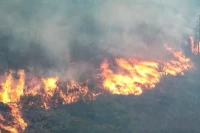
The targeted refinery-one of Russia’s key oil processing facilities along the Black Sea-has reportedly suffered repeated attacks in recent days, leading to massive fires and a temporary halt in operations. The facility plays a strategic role in refining and exporting petroleum products, making it a significant target in the ongoing conflict between Ukraine and Russia.
Toxic Fallout and ‘Black Rain’
One of the most disturbing consequences of the attacks has been the phenomenon locals describe as “black rain.” Following the refinery fires, rainfall mixed with soot, oil residues, and airborne pollutants reportedly blanketed parts of Tuapse, coating buildings, vegetation, and public spaces in dark, oily deposits.
Preliminary environmental assessments indicate elevated levels of toxic hydrocarbons, including benzene and xylene-chemicals known for their harmful effects on human health and ecosystems. Experts warn that prolonged exposure could pose risks ranging from respiratory illness to soil and water contamination.
Marine and Coastal Impact
In addition to air pollution, oil leakage from the damaged refinery has reportedly reached sections of the Black Sea coastline. Environmental responders are working to contain the spread, but concerns remain over long-term impacts on marine biodiversity, fisheries, and coastal livelihoods.
The Black Sea region, already ecologically sensitive, may face compounded stress due to hydrocarbon contamination, potentially affecting aquatic species and fragile coastal ecosystems.
Public Health Measures and Emergency Response
Local authorities in Tuapse have implemented emergency measures, urging residents to remain indoors, limit exposure to outdoor air, and follow safety guidelines. Schools and public institutions have been temporarily closed, while clean-up operations are underway to remove contaminated debris and restore affected areas.
Community volunteers and environmental groups have also mobilized to assist in mitigation efforts, including cleaning oil-affected animals and supporting vulnerable populations.
War and Environmental Consequences
While Ukraine has framed such strikes as part of a broader strategy to weaken Russia’s energy infrastructure and reduce war financing, the incident highlights the growing environmental cost of modern warfare. Attacks on industrial facilities-particularly those involving fossil fuels-can trigger secondary disasters that extend far beyond immediate military objectives.
Environmental analysts caution that such incidents may have long-term transboundary implications, affecting not only local ecosystems but also regional climate resilience and environmental security.
A Growing Pattern
The Tuapse incident reflects an emerging pattern in the ongoing conflict, where energy infrastructure has become a focal point of strategic attacks. However, the environmental fallout underscores a critical concern: the intersection of war and ecological degradation is intensifying, with civilians and natural systems bearing the brunt.
Conclusion
The unfolding situation in Tuapse is a stark reminder that environmental damage is increasingly becoming a silent but significant casualty of geopolitical conflict. As clean-up efforts continue, the long-term ecological and public health consequences remain uncertain-raising urgent questions about accountability, environmental protection, and the true cost of war.
#EcosphereNews #EnvironmentalCrisis #BlackRain #OilSpill #WarAndEnvironment #ClimateImpact #PollutionAlert #BlackSea #SustainableFuture #GlobalEnvironment #ConflictAndClimate