Indonesia, December 2, 2025
Large parts of Indonesia’s Sumatra island are facing one of the most destructive flood disasters in recent years after days of intense rainfall triggered massive flooding and landslides across several provinces.
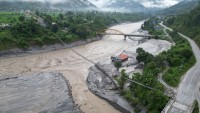
According to Indonesia’s National Disaster Mitigation Agency (BNPB), the floods have affected wide areas of Aceh, North Sumatra, and West Sumatra, where overflowing rivers, flash floods, and slope failures have destroyed homes, roads, and public infrastructure. As of the latest official update, more than 600 people are confirmed dead, while hundreds remain missing, raising fears that the toll may continue to rise.
Authorities say hundreds of thousands of residents have been displaced, many forced to take shelter in temporary camps, schools, and public buildings. Several districts remain cut off due to collapsed bridges, damaged highways, and disrupted communication networks, complicating rescue and relief efforts.
Rescue Operations Challenged by Terrain and Damage
Search and rescue teams, supported by the military and volunteers, are continuing operations in the worst-hit areas. However, officials admit that progress has been slow in remote and mountainous regions, where landslides have buried villages and access routes remain blocked.
Helicopters and boats have been deployed to deliver food, drinking water, medicines, and emergency supplies to isolated communities. In some areas, residents have reported shortages of basic necessities, highlighting the urgent need for faster humanitarian access.
Widespread Destruction and Humanitarian Concerns
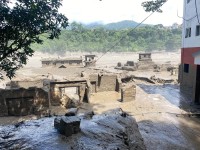
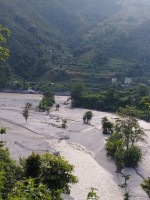
The flooding has swept away houses, farmland, and livestock, dealing a severe blow to local livelihoods. Entire neighbourhoods in low-lying zones were submerged, while hillside settlements were buried under mud and debris.
Health authorities have warned of increased risks of water-borne diseases, particularly in overcrowded shelters with limited sanitation. Emergency medical teams have been mobilized to prevent outbreaks and provide psychosocial support to affected families.
Climate and Environmental Context
Environmental experts note that Indonesia is highly vulnerable to extreme rainfall during the monsoon season, especially in regions where deforestation, land-use pressure, and settlement along floodplains have increased disaster risks. They warn that climate change is amplifying rainfall intensity, making floods more destructive and unpredictable.
The Sumatra floods add to a growing list of climate-related disasters across Southeast Asia, raising concerns about preparedness, early-warning systems, and climate-resilient infrastructure.
Long Road to Recovery
While emergency response continues, authorities acknowledge that recovery will take significant time and resources. Rebuilding homes, restoring infrastructure, and supporting displaced communities will remain critical challenges in the months ahead.
As Indonesia mourns the loss of lives, the disaster serves as a stark reminder of the growing human and environmental costs of extreme weather, underscoring the urgency of stronger disaster preparedness and climate-adaptation measures - not only for Indonesia, but for vulnerable countries across the region.