Kathmandu - As climate-induced disasters grow more frequent and intense worldwide, scientists and environmental experts are increasingly pointing to a powerful yet often overlooked line of defence: healthy ecosystems.
Natural systems such as forests, wetlands, mangroves, grasslands and even soil organisms play a critical role in reducing disaster risks by absorbing shocks, stabilizing landscapes and regulating water flows. The United Nations Environment Programme (UNEP) emphasizes that ecosystems, when protected and restored, act as natural infrastructure that can significantly reduce the impacts of floods, landslides, storms, droughts and heatwaves.
Mangrove forests, for instance, are known to buffer coastal communities from storm surges and cyclones by dissipating wave energy before it reaches shorelines. Mountain forests help stabilize slopes, reducing the likelihood of landslides during intense rainfall, while wetlands store excess water and lower flood peaks in river basins. Even less visible ecosystems-such as fungi and microorganisms in soil-enhance soil structure and water retention, contributing to resilience at the ground level.
According to UNEP, ecosystem-based disaster risk reduction is not only environmentally sustainable but also cost-effective and socially inclusive. Unlike hard infrastructure that can degrade over time, healthy ecosystems adapt, regenerate and provide multiple benefits simultaneously, including food security, livelihoods, biodiversity conservation and carbon sequestration.
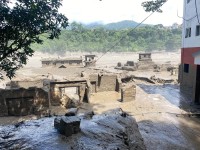
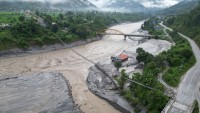
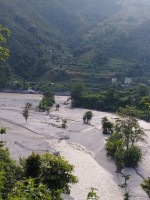
In climate-vulnerable countries like Nepal, where floods, landslides and glacial lake outburst floods pose growing threats, integrating ecosystem protection into disaster planning is increasingly urgent. Experts argue that restoring degraded forests, protecting watersheds and conserving wetlands should be seen not just as conservation actions, but as essential investments in public safety and national resilience.
UNEP works with governments, local communities and development partners to mainstream nature-based solutions into disaster risk reduction strategies, aligning environmental protection with climate adaptation and sustainable development goals.
As global attention shifts from reactive disaster response to proactive risk reduction, the message is becoming clear: safeguarding ecosystems is not optional. It is a practical, proven and powerful way to protect lives, livelihoods and landscapes in a warming world.