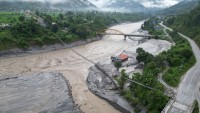
Baitadi, Nepal - Fresh snowfall accompanied by light to moderate rainfall has been recorded across several mid- and high-hill settlements of Baitadi district, bringing much-needed relief to local farmers after a prolonged dry spell.
The snowfall has lightly blanketed terraced farmlands, forested slopes, and rural settlements, while rainfall has helped replenish soil moisture that had been steadily declining in recent weeks. Farmers in the district say the weather has arrived at a critical time for winter crops, particularly wheat, barley, mustard, and seasonal vegetables.
According to local residents, the precipitation is expected to improve crop growth, reduce irrigation pressure, and help restore moisture in both rain-fed fields and grazing lands. In upland villages, snowfall is also seen as beneficial for maintaining soil fertility and controlling certain pests.
“This rain and snow have come like a blessing,” said a farmer from a hill settlement in Baitadi. “The fields were getting dry, and we were worried about the crops. Now the soil has softened, and the crops look healthier.”
Agricultural technicians note that winter precipitation plays an important role in sustaining hill farming systems, especially in districts like Baitadi where agriculture largely depends on seasonal rainfall. Snowmelt gradually feeds the soil and nearby water sources, supporting crops during the later stages of growth.
However, experts also caution that while the current weather has brought positive impacts, changing rainfall and snowfall patterns linked to climate change are becoming increasingly unpredictable in far-western Nepal. Irregular winters, delayed rains, and unseasonal snowfall have posed growing challenges to traditional farming practices in recent years.
Local authorities are monitoring weather conditions and advising farmers to take advantage of the improved moisture while remaining alert to possible cold-related crop stress in higher elevations.
For now, the snowfall and rain have lifted spirits across farming communities in Baitadi, offering a reminder of how closely livelihoods in Nepal’s hills remain tied to natural weather cycles.