Kathmandu - As cities across the world expand rapidly under population pressure and infrastructure growth, experts are increasingly emphasizing the importance of green spaces as a foundational element of sustainable and resilient urban development.
Green spaces-such as public parks, urban forests, river corridors, community gardens, and green rooftops-play a vital role in maintaining ecological balance while enhancing the quality of life for urban residents. These areas, whether naturally preserved or deliberately developed, are now being recognized not merely as recreational zones but as essential public infrastructure.
Environmental planners note that green spaces help mitigate air pollution, reduce urban heat, support biodiversity, and manage stormwater runoff. In the context of climate change, they also act as natural buffers against extreme weather events such as heatwaves and floods.
Beyond environmental benefits, green spaces contribute significantly to public health and social wellbeing. Studies have consistently shown that access to greenery reduces stress, supports mental health, and encourages physical activity. Urban communities with accessible green areas often demonstrate stronger social cohesion and improved overall health outcomes.
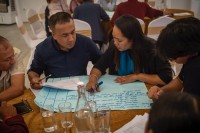
However, the development of green spaces requires deliberate planning and governance. Urban planners stress the need to integrate green infrastructure into city master plans, enforce land-use regulations, and protect public open spaces from unchecked construction. Community participation, long-term maintenance strategies, and the use of native vegetation are also seen as crucial for sustainable outcomes.
Globally, Singapore has emerged as a leading example in green space development. Despite its dense population, the city-state has successfully integrated nature into its urban fabric through extensive parks, urban forests, green corridors, and vertical greenery. Other countries such as Denmark, Finland, and Canada have also made notable progress by ensuring equitable access to green areas and embedding nature into urban lifestyles.
In developing countries, including Nepal, rapid urbanization has placed increasing pressure on open spaces. Environmental experts argue that protecting riverbanks, hillsides, and public land, while promoting community-managed green areas, is essential for sustainable urban growth. Integrating green space planning with climate adaptation and disaster risk reduction strategies is particularly relevant for cities vulnerable to flooding and heat stress.
As global urban populations continue to rise, policymakers and planners are being urged to view green spaces not as optional amenities but as a public necessity. Ensuring equitable access to green areas, especially for marginalized communities, is increasingly seen as a key indicator of inclusive and future-ready cities.
With growing evidence linking green spaces to environmental resilience, public health, and economic sustainability, the call for greener cities is becoming stronger-positioning green infrastructure at the center of urban development agendas worldwide.