Sindhupalchok, Nepal - As icy winds sweep through the hills and water temperatures plunge to near-freezing levels, the Bhotekoshi River continues to attract adventure seekers who are willing to challenge both nature and themselves. Even in January, a time when swimming in the river is nearly impossible due to extreme cold, commercial rafting operations remain active, highlighting Nepal’s growing reputation as a year-round adventure tourism destination.
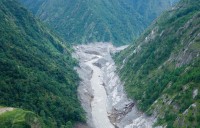
The Bhotekoshi, one of Nepal’s steepest and most technically demanding rivers, is known for its powerful rapids and narrow gorges. Winter rafting here is not for the faint-hearted. Participants are equipped with insulated gear, life jackets, helmets, and guided by trained professionals who understand the river’s seasonal behavior. Despite reduced water volume compared to the monsoon season, the river’s gradient ensures continuous high-energy rapids, offering an intense experience even in colder months.
Adventure tourism operators say winter rafting has seen a steady rise in interest, particularly among domestic tourists and foreign visitors seeking unique off-season experiences. Unlike peak trekking seasons, winter rafting offers quieter surroundings, clearer skies, and uninterrupted views of the surrounding rocky terrain, making it both a physical and visual adventure.
However, the activity also raises important safety and environmental considerations. Cold-water exposure significantly increases risks such as hypothermia, making professional supervision and strict safety protocols essential. Operators emphasize the importance of regulated tourism, trained guides, and environmentally responsible practices to ensure that the river ecosystem remains protected while supporting local livelihoods.
For communities along the Bhotekoshi corridor, winter rafting provides much-needed economic continuity beyond the traditional tourism calendar. It supports guides, transport workers, small hotels, and food businesses during an otherwise slow season.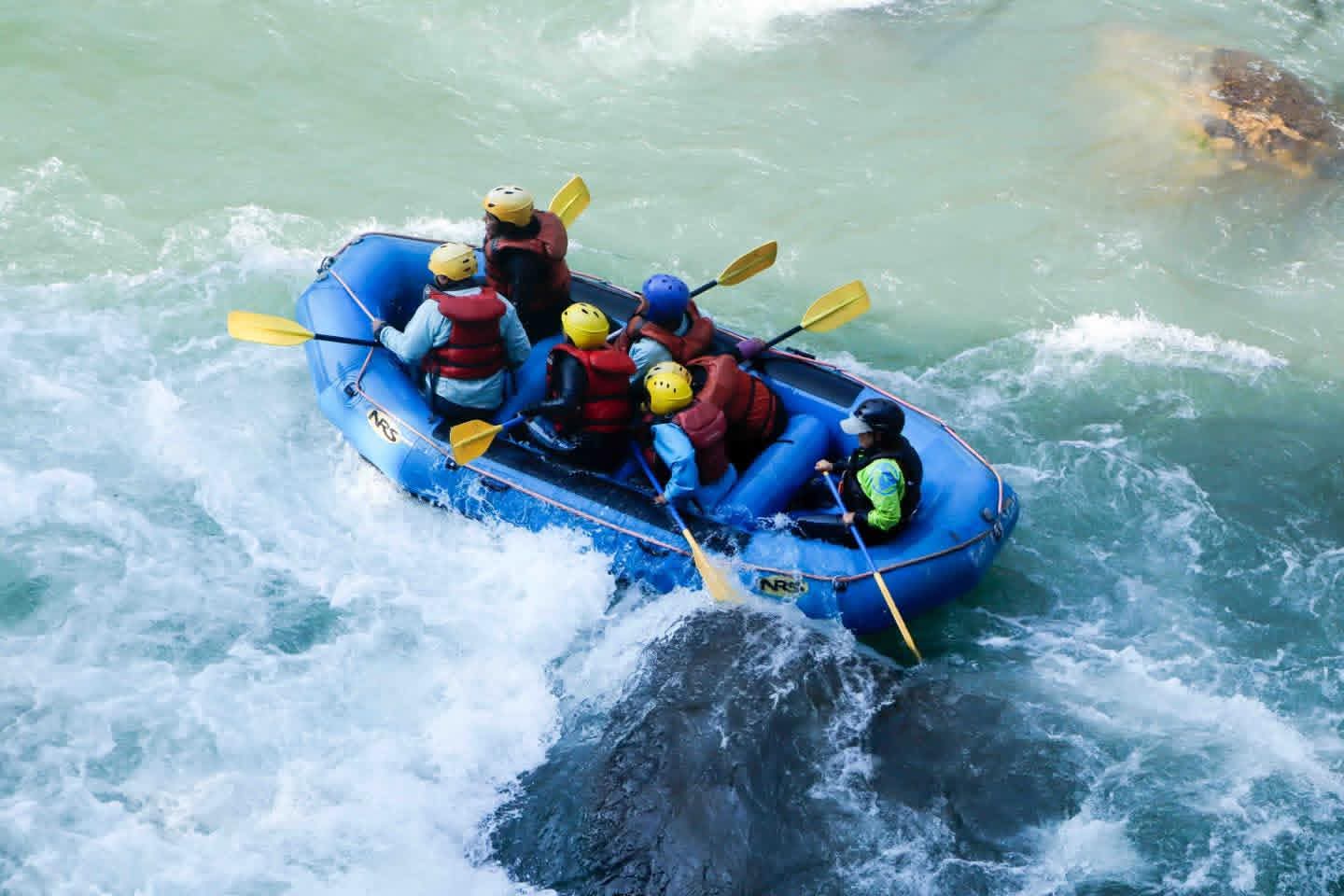
As climate patterns shift and tourism trends evolve, the continued use of rivers like the Bhotekoshi throughout the year reflects both Nepal’s adventure potential and the need for sustainable management of natural resources. Even when swimming is impossible, the river proves that adventure can still flow - cold, powerful, and unforgettable.