Kathmandu, Nepal - Digital technology is creating new opportunities for smallholder farmers in Nepal by improving access to markets, strengthening agricultural cooperatives and helping women farmers secure better value for their livestock products.
A digital initiative led by Heifer Project Nepal, in collaboration with the University of Florida and the University of California, Davis, is helping transform goat marketing practices through the introduction of the Virtual Collection Center (VCC), a digital marketing tool integrated into the GeoKrishi platform.
Implemented under the Digital Mentoring & Continuing Education for Improved Service & Market Linkages among Community Animal Health Workers in Nepal project, the initiative aims to strengthen connections between livestock producers, cooperatives and potential buyers through improved access to market information and digital services.
The VCC is now being used by 43 cooperatives across Nepal, providing a digital platform to organize goat marketing more efficiently. The system enables cooperatives to record the number and weight of goats available for sale, maintain farmer information and connect with buyers across different districts.
By bringing this information together, the platform helps cooperatives assess available livestock supplies, identify potential buyers, coordinate collective sales and improve transparency in market transactions. It also makes it easier to match farmers' production with market demand, reducing some of the challenges associated with fragmented and unorganized livestock marketing.
For women farmers, who play an important role in Nepal's livestock and agricultural economy, the digital platform offers greater visibility into market opportunities and access to information that can strengthen their position when negotiating prices.
Traditionally, smallholder goat farmers have often faced difficulties accessing reliable market information and reaching buyers beyond their immediate communities. Individual farmers may also have limited bargaining power when selling livestock. Through collective marketing and better coordination, cooperatives can help address these challenges and create stronger connections with wider markets.
The initiative also supports cooperatives in improving their recordkeeping, organizing livestock supplies and facilitating communication between producers and buyers. Such improvements can contribute to more efficient livestock value chains while creating opportunities for rural women to participate more actively in agricultural markets.
As the project approaches its conclusion, participating cooperatives plan to continue using the Virtual Collection Center, building on the digital practices, institutional capacities and market connections established through the initiative.
The experience demonstrates how appropriate digital technologies can support agricultural transformation beyond production alone. Access to timely information, organized marketing systems and stronger institutional networks can be equally important in improving farmers' livelihoods and building resilient food systems.
For Nepal, where agriculture and livestock remain important sources of rural employment and household income, expanding digital market services could play a significant role in connecting smallholder producers with emerging economic opportunities.
Ultimately, the success of digital agriculture will depend not simply on introducing new technologies, but on ensuring that farmers, particularly women and smallholder producers, can access, understand and benefit from them.
The growing use of the Virtual Collection Center illustrates how digital innovation, cooperative leadership and partnerships can work together to create more inclusive, connected and market-responsive agricultural systems in Nepal.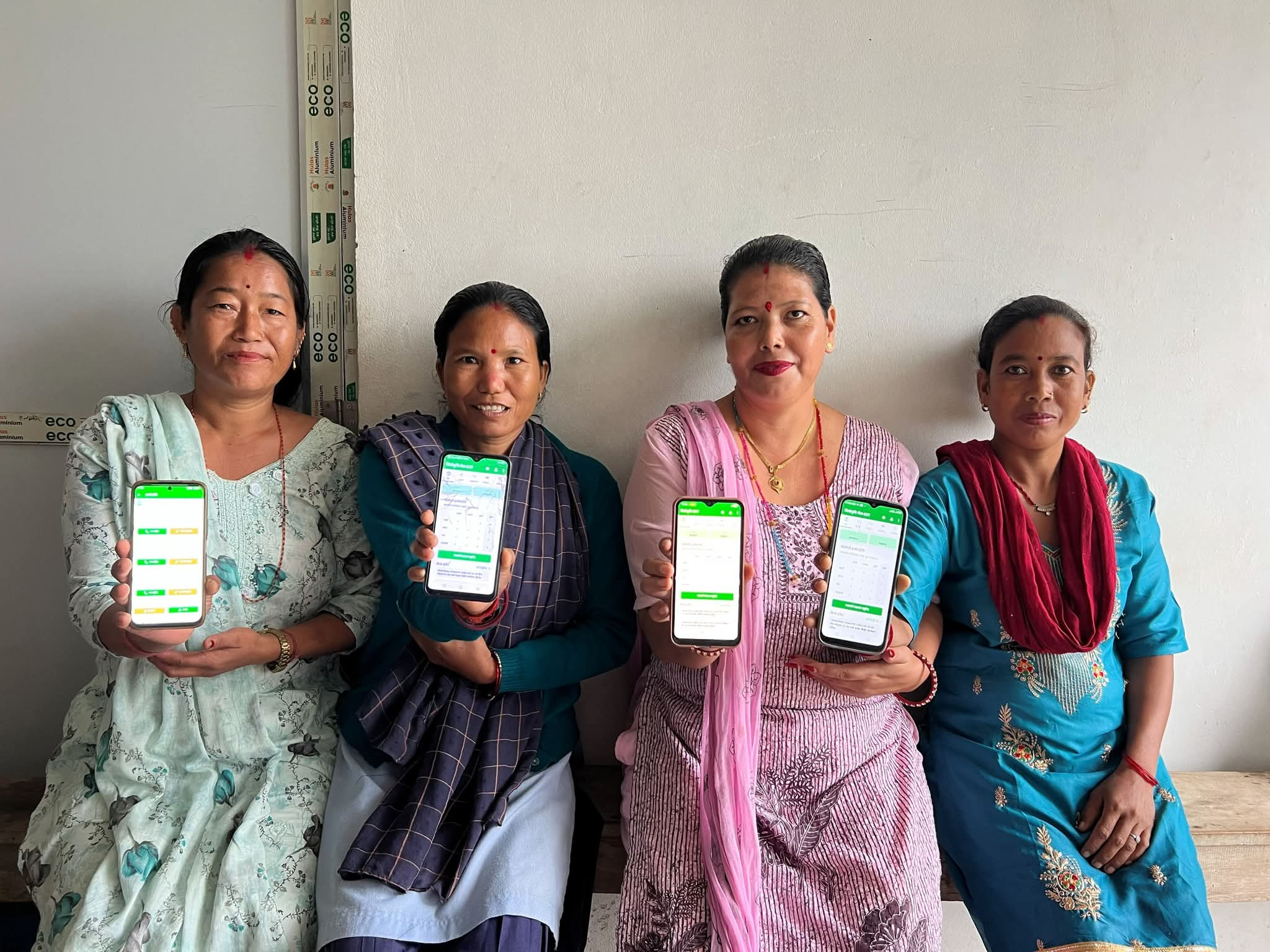
#EcosphereNews #DigitalAgriculture #WomenInAgriculture #LivestockDevelopment #GoatFarming #HeiferInternational #GeoKrishi #FoodSystems #RuralDevelopment #AgriculturalInnovation #InclusiveMarkets #WomenEmpowerment #SustainableAgriculture #Nepal