South Sudan | 30 October 2026
South Sudan is facing an increasingly severe humanitarian crisis as reductions in United States foreign assistance, declining international humanitarian funding, persistent insecurity, climate-related shocks and the continuing conflict in neighbouring Sudan place millions of vulnerable people at greater risk.
The withdrawal and restructuring of major US-funded assistance programmes, including those previously administered through the United States Agency for International Development (USAID), have added further pressure to an already fragile health system and humanitarian response. The funding crisis is threatening essential services, including healthcare, nutrition, food assistance, clean water and sanitation, particularly in communities heavily dependent on international support.
US Foreign Aid Cuts and Their Consequences
The US government's major foreign assistance reductions initiated in 2025 disrupted humanitarian operations across several countries, including South Sudan. The suspension, termination and restructuring of programmes affected international organisations, local implementing partners and community-level service providers.
South Sudan has been particularly vulnerable because international donors have historically played a significant role in supporting its humanitarian and essential service systems.
The reduction in external assistance has placed additional pressure on health facilities, humanitarian organisations and aid workers. Programmes supporting maternal and child health, vaccination, nutrition, disease prevention and emergency food assistance face significant financial constraints.
However, the impact should be understood within the broader international funding crisis rather than attributed exclusively to USAID. Continuing armed conflict, economic instability, political tensions, displacement and climate-related emergencies are also major drivers of the country's deteriorating humanitarian conditions.
Millions Face Acute Hunger and Malnutrition
Food insecurity remains one of South Sudan's most urgent humanitarian challenges.
According to recent food security assessments, approximately 7.8 million people are facing high levels of acute food insecurity, representing more than half of the country's population.
The situation is particularly alarming in Jonglei and Upper Nile states, where some communities are experiencing catastrophic levels of food insecurity.
An estimated 73,000 people were classified in the most severe Integrated Food Security Phase Classification (IPC Phase 5 - Catastrophe) during the April-July 2026 assessment period.
Children are among the most vulnerable. Millions face acute malnutrition, while limited access to healthcare, nutritious food and safe drinking water increases their exposure to preventable diseases and long-term developmental consequences.
The World Food Programme (WFP) has warned that funding shortages threaten the continuity of life-saving assistance, potentially leaving more than one million people at risk of losing access to essential support.
Sudan Conflict Adds to Displacement Pressure
The continuing war in neighbouring Sudan, which erupted in April 2023, has further complicated South Sudan's humanitarian situation.
South Sudan continues to receive refugees and returning nationals escaping violence, insecurity and economic collapse across the border.
These population movements are placing additional pressure on already overstretched communities and public services, particularly in border areas.
Access to clean drinking water, sanitation, healthcare, shelter and food assistance remains a serious concern for displaced families and host communities.
The crisis also demonstrates how armed conflict in one country can create wider humanitarian and economic consequences across an entire region.
Fragile Health Services and Disease Outbreaks
South Sudan's healthcare system remains extremely fragile, with limited infrastructure, shortages of trained health professionals, inadequate medical supplies and restricted access to essential services.
The reduction in international assistance has further complicated efforts to maintain healthcare delivery, particularly in remote and conflict-affected areas.
The country continues to face serious public health threats, including cholera and hepatitis E, alongside other communicable diseases.
Poor sanitation, unsafe drinking water, displacement and overcrowded living conditions increase the risks of disease transmission.
Women, children, older people and people with disabilities are particularly vulnerable when essential health and protection services become inaccessible.
Humanitarian Response Remains Seriously Underfunded
The funding gap is another major obstacle to addressing the crisis.
South Sudan's 2026 Humanitarian Needs and Response Plan requires approximately US$1.46 billion to support people affected by conflict, hunger, displacement, disease and other emergencies.
Recent humanitarian funding data indicate that only around 42 per cent of the required funding had been received by the end of October 2026, leaving a substantial financial gap.
The United Nations and humanitarian partners have repeatedly warned that insufficient resources are forcing organisations to prioritise the most urgent needs while millions of vulnerable people remain beyond the reach of adequate assistance.
Climate Change Is Intensifying an Already Complex Crisis
South Sudan's humanitarian emergency is also closely connected to environmental degradation and climate vulnerability.
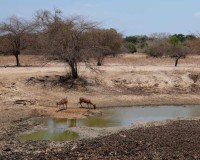
Recurring floods, prolonged dry spells, extreme temperatures and changing rainfall patterns are damaging agricultural production, destroying livelihoods and increasing displacement.
For communities dependent on subsistence agriculture, livestock and natural resources, climate shocks can quickly translate into food shortages, poverty and competition over limited resources.
The combination of conflict, climate-related disasters, economic instability and declining humanitarian assistance creates a particularly dangerous cycle of vulnerability.
Strengthening climate-resilient agriculture, restoring livelihoods, improving water infrastructure and investing in disaster preparedness must therefore become central components of the country's recovery strategy.
International Solidarity and Urgent Action Needed
South Sudan's deteriorating humanitarian situation highlights the importance of predictable, sustainable and adequately funded international cooperation.
The United States and other major international donors, United Nations agencies, development partners and regional organisations need to work together to prevent further deterioration of essential services.
Priority actions should include restoring life-saving health and nutrition programmes, strengthening food security, supporting displaced populations, ensuring access to safe drinking water and sanitation, and protecting humanitarian workers.
Equally important are renewed efforts to advance political stability, implement peace commitments and address the underlying causes of conflict and displacement.
South Sudan's crisis is not simply a funding emergency. It is a multidimensional humanitarian, economic, environmental and governance challenge requiring coordinated international action and long-term investment.
As millions of people struggle to secure food, healthcare and basic necessities, the international community must ensure that reductions in development and humanitarian assistance do not translate into preventable suffering and loss of life.
For South Sudan, sustained international solidarity is not merely an expression of goodwill; it is an essential investment in human dignity, regional stability and a more resilient future.
#SouthSudan #USAID #USForeignAid #HumanitarianCrisis #GlobalDevelopment #FoodSecurity #ClimateChange #ClimateResilience #HumanitarianAid #InternationalDevelopment #UN #WFP #UNICEF #OCHA #PublicHealth #ChildNutrition #ForcedDisplacement #RefugeeCrisis #WaterAndSanitation #Africa #SustainableDevelopment #EcosphereNews