Kathmandu, Nepal | October 26, 2026
The United Nations’ Fund for Responding to Loss and Damage (FRLD) has provisionally allocated US$20 million in grant assistance to Nepal to support recovery and reconstruction following the devastating August 26, 2026, flash floods and mudslides in the Bhotekoshi–Trishuli river corridor. The decision marks a historic first for the fund, established to help vulnerable developing countries address the irreversible economic and non-economic consequences of climate change.
The FRLD Board agreed to set aside the funding at a special meeting on October 22, following an urgent request from the Government of Nepal. The allocation includes US$20 million for direct assistance and an additional US$1.6 million for oversight and related costs, bringing the total provisionally earmarked amount to US$21.6 million. However, the funding has not yet been disbursed, and Nepal must submit a project proposal for further consideration and approval.
A catastrophic disaster with devastating human and economic consequences
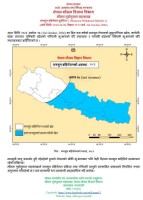
The floods struck on August 26 after a massive ice-and-rock avalanche in the upper Lhende Khola watershed triggered a destructive debris flow and flooding along the Bhotekoshi, Trishuli and downstream river systems. The disaster devastated settlements, damaged roads and bridges, disrupted hydropower infrastructure and livelihoods, and left thousands of families facing displacement and uncertainty.
Available reports indicate that approximately 1,450 people have died, while more than 5,000 remain missing. Tens of thousands of people have been affected, particularly in Rasuwa, Nuwakot and Dhading, with wider impacts across the affected river corridor.
The disaster has also highlighted the growing risks facing Himalayan communities as climate change accelerates glacier retreat, alters mountain environments and compounds existing vulnerabilities. Although the precise contribution of climate change to this particular event requires scientific attribution, the destruction underscores the urgent need for stronger climate resilience, early-warning systems and disaster preparedness.
Funding falls far short of Nepal’s recovery needs
The Government of Nepal’s rapid damage and needs assessment estimates the disaster’s total economic effects at approximately US$2.7 billion, including physical damage and economic losses. The estimated requirement for recovery and reconstruction stands at around US$4.77 billion.
Against this enormous financial burden, the FRLD’s US$20 million direct grant represents only a small share of the resources needed to rebuild damaged infrastructure, restore livelihoods, support affected households and strengthen resilience against future disasters.
The allocation is nevertheless significant because it represents the first time the Loss and Damage Fund has set aside funding in response to a specific disaster. It offers an important test of whether the international climate-finance system can deliver timely and accessible support to countries experiencing severe climate-related losses.
A milestone for climate justice, but more action is needed
For Nepal, a country highly vulnerable to climate change despite its relatively small contribution to global greenhouse gas emissions, the decision represents an important step towards securing international support for disaster recovery.
However, the scale of the funding gap raises broader questions about the adequacy of global climate finance. Vulnerable countries need predictable, accessible and grant-based support that reflects the scale of the losses they face, rather than relying on assistance that may be insufficient or delayed.
The Loss and Damage Fund emerged from years of negotiations under the United Nations climate process, following demands from climate-vulnerable countries for financial support to address harms that cannot be fully prevented through adaptation or avoided through emissions reduction alone.
Nepal’s experience now places renewed emphasis on the need for the international community to strengthen the fund, increase its resources and make its response mechanisms faster and more effective.
As Nepal moves towards recovery, the US$20 million allocation should be viewed as an important beginning, not a complete solution. Rebuilding safer infrastructure, restoring affected communities and reducing future disaster risks will require sustained national investment, international cooperation and greater climate-finance commitments.
For the communities devastated by the Bhotekoshi–Trishuli floods, meaningful climate solidarity must translate into practical support, dignified recovery and long-term protection against escalating climate risks.
Ecosphere News will continue to follow developments in climate finance, disaster recovery and climate justice in Nepal and across the Hindu Kush Himalaya.
#Nepal #LossAndDamage #ClimateFinance #ClimateJustice #ClimateChange #BhotekoshiFlood #TrishuliFlood #HimalayanCommunities #DisasterRecovery #ClimateResilience #UnitedNations #FRLD #ClimateAction #EcosphereNews