Kathmandu, September 27, 2026 - At least 21 people have died and five others are missing after floods, landslides, inundation, lightning, strong winds and continuous rainfall affected several parts of Nepal, Prime Minister Balen Shah said in a public address, urging citizens to remain highly alert as the risk of further disasters persists.
According to the latest details cited by the Prime Minister, fatalities have been reported in Myagdi, Dolpa, Dhanusha, Palpa, Baglung, Lamjung, Rukum West, Kavrepalanchok, Dhading, Makwanpur and Surkhet, among other areas. Five people have also been injured, with the government arranging free medical treatment for them.
Prime Minister Shah expressed condolences to the families of those who lost their lives and wished the injured a speedy recovery.
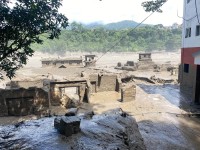
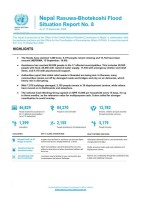
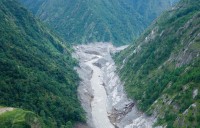
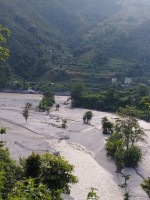
The latest disaster comes as Nepal continues to recover from the devastating flooding of the Bhotekoshi River in Rasuwa on Bhadra 10 (August 26), which caused widespread destruction across the mountainous corridor. The government has been continuing relief and recovery efforts while simultaneously preparing for the new wave of extreme weather.
439 monsoon-related incidents recorded
According to the government, 439 monsoon-related incidents involving floods, landslides, inundation and lightning have been reported across the country.
The impacts have extended beyond rural communities, with several urban areas also experiencing inundation. Roads, bridges, hydropower facilities, drinking-water systems and other infrastructure essential to everyday life have suffered damage.
The government had activated Command Posts in all 77 districts and taken precautionary measures following forecasts of heavy rainfall and strong winds. Measures included continuous dissemination of weather and disaster information, restrictions on night-time transportation and school closures in vulnerable areas.
Search-and-rescue operations are continuing for missing people, while security personnel have been deployed to rescue residents and livestock trapped by floods and other hazards.
Major highways and bridges affected
Floods and landslides have disrupted several major transport routes, including the Prithvi Highway, BP Highway and Kanti Lokpath, which connect Kathmandu with different parts of the country.
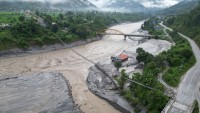
Landslides, road subsidence and damage to bridges have affected transportation in multiple districts. Roads along the Bhotekoshi-Trishuli river corridor, which had been repaired following the previous disaster, have again suffered damage. A concrete bridge over the Kaligandaki River has also been swept away.
The East-West Highway was temporarily closed as a precaution after a cruise ship was swept away by flooding in the Narayani River and became lodged against a bridge.
Authorities have pledged to accelerate repairs and restore transportation services as soon as conditions permit.
More than 1,000 MW of electricity supply disrupted
The floods have also caused significant disruption to Nepal's electricity infrastructure.
According to Prime Minister Shah, 1,013.2 megawatts of electricity supply from the national transmission system has been disrupted, affecting transmission corridors including the Kaligandaki, Marsyangdi and Seti-Madi corridors.
Of this total, hydropower projects with a combined capacity of 318 MW have been completely shut down after transmission-line towers collapsed.
As a precaution against further flood and landslide risks, generation from projects with a combined capacity of another 695.2 MW has also been suspended.
Technical teams have been deployed to affected areas to restore electricity supplies as quickly as possible.
Rising river levels trigger further travel restrictions
Rising water levels in major rivers have prompted additional restrictions in several locations.
In Kanchanpur, movement across the Nepal-India border through Gaddachowki has been affected after the Mahakali River rose significantly. Vehicle movement on both sides of the bridge has been halted as a precaution.
Authorities have also increased vigilance along the Seti, Narayani and Kamala rivers, where water levels have risen considerably. Transportation has been stopped in the Khulekhani area because of the prevailing risks.
Residents living along riverbanks have been urged to remain particularly vigilant.
Agriculture suffers heavy losses
The extreme weather has also affected Nepal's agricultural sector. Strong winds and heavy rainfall have reportedly caused significant damage to paddy, vegetables and other crops, raising concerns among farming communities already facing multiple climate- and disaster-related pressures.
Government urges people to avoid unnecessary travel
Prime Minister Shah said the danger has not yet passed and urged people living or travelling in mountainous and riverbank areas to exercise extreme caution.
He called on citizens to avoid unnecessary travel and contact the government through the toll-free emergency number 1234 if they face a crisis.
The government has also warned against spreading misinformation, violating the privacy of disaster victims and engaging in black-market activities during the emergency.
Prime Minister Shah said security agencies remain fully prepared for rescue operations and that temporary accommodation has been arranged for affected families in coordination with local governments.
He also said advance warnings had helped trekkers in mountainous districts return safely and helped protect students from potential risks.
As Nepal faces another period of severe weather while still recovering from the August Bhotekoshi disaster, authorities are urging communities to remain prepared, follow official warnings and avoid unnecessary exposure to hazardous areas.
“We will face this disaster as well with patience, restraint and unity,” Prime Minister Shah said.
Let us remain safe. Let us remain alert.
#EcosphereNews #Nepal #Floods #Landslides #ExtremeWeather #HeavyRainfall #DisasterRisk #ClimateRisk #NepalFloods #ClimateChange #DisasterManagement #Resilience #EarlyWarning #EmergencyResponse #Hydropower #ClimateResilience