RASUWA, NEPAL - September 9, 2026: Nepal’s devastating floods and landslides have entered a critical search-and-rescue phase, with authorities reporting 1,357 fatalities and 5,326 people still missing or unaccounted for as emergency teams continue operations across the disaster-affected areas.
The latest figures indicate the scale of the catastrophe remains enormous, with thousands of families affected and communities facing the loss of homes, infrastructure, livelihoods and loved ones.
According to the latest rescue and response update, 13,583 flood-affected people have been rescued and moved to safety, while 6,827 injured people are receiving treatment at hospitals and other medical facilities.
The Nepal Army, Nepal Police and Armed Police Force have mobilized a combined 21,402 security personnel for search, rescue, evacuation and relief operations. Teams continue to work in difficult terrain where damaged roads, destroyed bridges, unstable slopes and disrupted communications are complicating access to affected settlements.
The continuing high number of people listed as missing underscores the uncertainty surrounding the disaster. Search teams are still working to locate missing residents and travelers, while authorities face the difficult task of identifying victims and providing information to families waiting for news.
A disaster extending far beyond the death toll
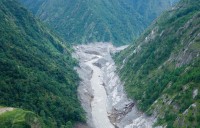
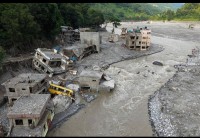
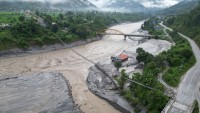
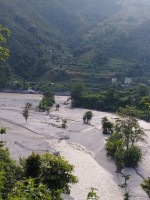
The floods and landslides have caused extensive damage across critical infrastructure, including roads, bridges, hydropower facilities, settlements and communication networks. The destruction of transport corridors has also made it difficult to deliver emergency assistance and reach isolated communities.
For Nepal, the disaster is not only an immediate humanitarian emergency but also a major challenge for reconstruction and recovery. Restoring damaged infrastructure, supporting displaced families, recovering livelihoods and rebuilding essential services will require sustained national and international support.
The catastrophe has also renewed international attention on the vulnerability of the Himalayan region to cascading climate and geological hazards. In high mountain environments, intense rainfall, unstable slopes, rapidly changing cryospheric conditions and exposed infrastructure can combine to produce disasters that move rapidly across entire river systems.
As search operations continue, authorities and humanitarian agencies are facing a race against time to locate missing people, provide medical care to the injured and ensure that survivors receive food, shelter, clean water and other essential assistance.
For the families of those still missing, however, the emergency remains deeply personal. Behind the figures are thousands of families waiting for answers.
Ecosphere News will continue to follow developments in Rasuwa and other affected areas, including the search for missing people, humanitarian response, infrastructure damage, recovery efforts and the broader climate and disaster-risk implications for the Himalayan region.
Latest reported situation:
- 1,357 fatalities
- 5,326 people missing or unaccounted for
- 13,583 flood-affected people rescued and moved to safety
- 6,827 people injured and receiving treatment
- 21,402 Nepal Army, Nepal Police and Armed Police Force personnel deployed for search and rescue
Ecosphere News | Environment • Climate • Development • Humanity
#RasuwaFloods #NepalFloods #NepalDisaster #Floods #Landslides #HimalayanDisaster #ClimateCrisis #ClimateChange #DisasterResponse #SearchAndRescue #HumanitarianCrisis #Nepal #Rasuwa #Himalayas #ClimateJustice #LossAndDamage #DisasterRiskReduction #ClimateResilience #EcosphereNews