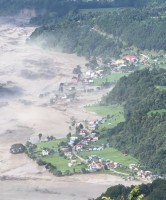
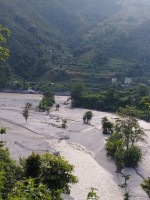
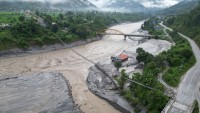
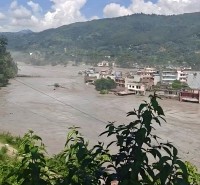
Dhading, September 2, 2026 - Nepal faces an urgent and potentially prolonged public health emergency in the aftermath of the catastrophic flash floods that swept through the Bhotekoshi-Trishuli river corridors on August 26.
The disaster severely affected communities across Rasuwa, Nuwakot, Dhading and Chitwan, while downstream impacts have also extended into other districts along the Trishuli-Narayani river system. Preliminary assessments indicate that the devastating flood was linked to a sudden surge originating upstream in Tibet, possibly associated with an ice avalanche and temporary damming of the Lhende River.
The World Health Organization (WHO) has warned of multiple emerging health risks and has mobilized emergency support for Nepal's response.
According to latest update, more than one thousand people had been killed, nearly 4,500 were missing and more than thousands were injured, based on the latest information then available from national authorities. WHO also reported that an estimated 10,000 households require immediate relief across six severely affected districts.
Health Facilities Damaged and Access Severely Disrupted
The floods have caused major disruption to Nepal's already fragile health-service network in affected areas.
WHO reported that four health facilities in Rasuwa were completely damaged, while two facilities in Dhading were partially damaged. Hospitals in Dhading and Trishuli were also reported inaccessible because of damaged roads, creating serious challenges for injured people, displaced communities and patients requiring regular medical treatment.
In response, WHO has released US$150,000 from its South-East Asia Regional Health Emergency Fund (SEARHEF) and deployed emergency medical supplies.
The organization has provided an Interagency Emergency Health Kit capable of supporting nearly 10,000 people for three months, along with multipurpose tents, surgical masks, gloves, hand sanitizers and other essential supplies.
Safe Drinking Water Must Be an Immediate Priority
One of the greatest threats following a major flood disaster is the contamination of drinking-water sources.
Floodwaters can carry sewage, chemicals, animal waste and other pollutants into rivers, wells and damaged water-supply systems. Health authorities and humanitarian agencies must therefore prioritize safe drinking water and sanitation in temporary shelters and affected settlements.
Residents should avoid consuming untreated river water or potentially contaminated water supplies. Drinking water should be made safe through approved treatment methods, including boiling or the use of officially recommended water-treatment products.
Emergency authorities and humanitarian agencies must rapidly expand:
Safe water distribution;
Water purification and testing;
Temporary toilets and sanitation facilities;
Handwashing stations;
Hygiene supplies for displaced families; and
Public awareness campaigns on diarrhoeal disease prevention.
WHO has specifically identified diarrhoeal and respiratory illnesses, water- and food-borne diseases and vector-borne diseases among the emerging public health risks following the disaster.
Disease Surveillance Must Be Strengthened
Large-scale displacement and overcrowded temporary shelters can significantly increase the risk of infectious-disease outbreaks.
Health authorities need to establish or strengthen rapid surveillance systems capable of detecting unusual clusters of acute watery diarrhoea, fever, respiratory infections and other potentially epidemic diseases.
Mobile health teams and emergency medical units should be deployed to isolated settlements where roads and bridges have been destroyed.
Early detection and rapid reporting will be essential to preventing localized health problems from developing into wider outbreaks.
Dignified Recovery and Environmental Sanitation Are Essential
The recovery of human remains and dead animals from flood-affected areas must be carried out safely, systematically and with dignity.
Authorities should ensure that recovery operations are coordinated with appropriate health, forensic and security agencies. At the same time, temporary settlements must receive regular waste collection and environmental sanitation support.
Standing water, unmanaged waste and accumulated debris can create conditions favourable for mosquitoes, flies and other disease vectors.
Immediate measures should include:
Safe collection and disposal of solid waste;
Drainage of stagnant water where possible;
Regular cleaning of temporary shelters;
Safe management of animal remains; and
Vector-control measures where public health assessments identify elevated risks.
Women, Children, Elderly People and Chronically Ill Patients Need Special Protection
The disaster has created particularly serious risks for vulnerable populations, including pregnant women, children, older people, persons with disabilities and people dependent on regular medication.
Displaced women and girls require access to appropriate hygiene supplies and dignity kits, while reproductive and maternal health services must remain available in temporary settlements.
Equally urgent is the continuity of treatment for people living with chronic illnesses.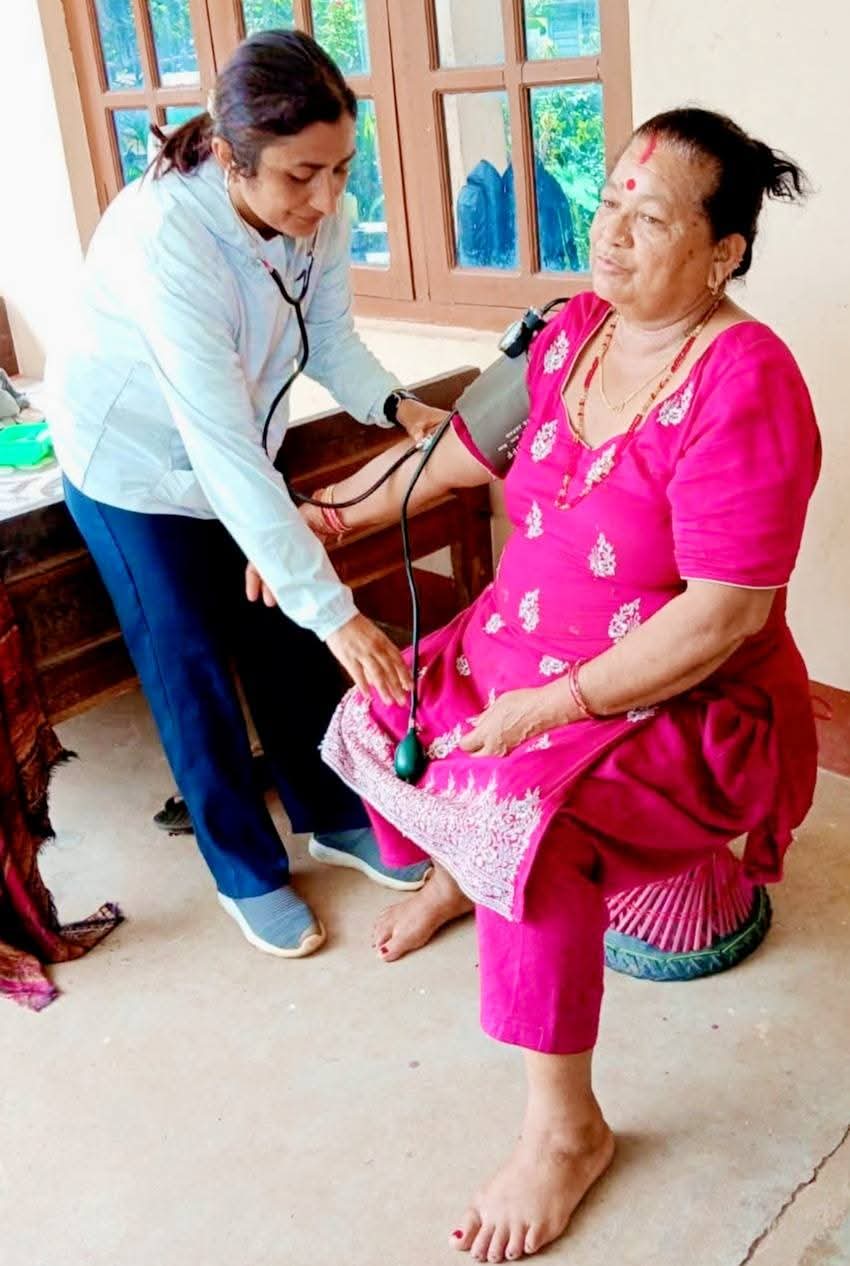
Many flood survivors may have lost medicines used to manage conditions such as diabetes, hypertension, heart disease and thyroid disorders. Mobile clinics and emergency health facilities should therefore prioritize the replacement of essential medicines and the continuation of life-saving treatment.
Mental health and psychosocial support must also form a central part of the emergency response.
WHO has warned that the loss of family members, homes and livelihoods, combined with displacement and uncertainty, can have serious consequences for the mental health and well-being of affected communities.
Downstream Communities Must Remain Vigilant
Although the initial catastrophic surge has already travelled downstream, communities along the Trishuli and Narayani river corridors must continue to follow official warnings.
The flood travelled from the Bhotekoshi into the Trishuli River and eventually downstream toward the Narayani system, demonstrating the enormous geographical reach of the disaster.
Residents in vulnerable riverbank areas of Nuwakot, Dhading, Chitwan and other downstream districts should avoid entering dangerous river corridors and follow instructions issued by the Department of Hydrology and Meteorology, the National Disaster Risk Reduction and Management Authority, local governments and security agencies.
With unstable debris and continuing uncertainty in the upstream Himalayan environment, authorities must maintain close monitoring and ensure that emergency warnings reach communities quickly.
Emergency Health Assistance
For health-related information or assistance, Nepal's Health Emergency Operation Centre (HEOC) has requested the public to contact the Ministry's toll-free health hotline:
☎️ Health Emergency Hotline: 1115
People requiring immediate emergency assistance should also contact the relevant official emergency services and local authorities.
A Public Health Response Must Now Match the Scale of the Disaster
Nepal's Bhotekoshi-Trishuli catastrophe is no longer only a search-and-rescue emergency. It is rapidly becoming a complex humanitarian and public health crisis.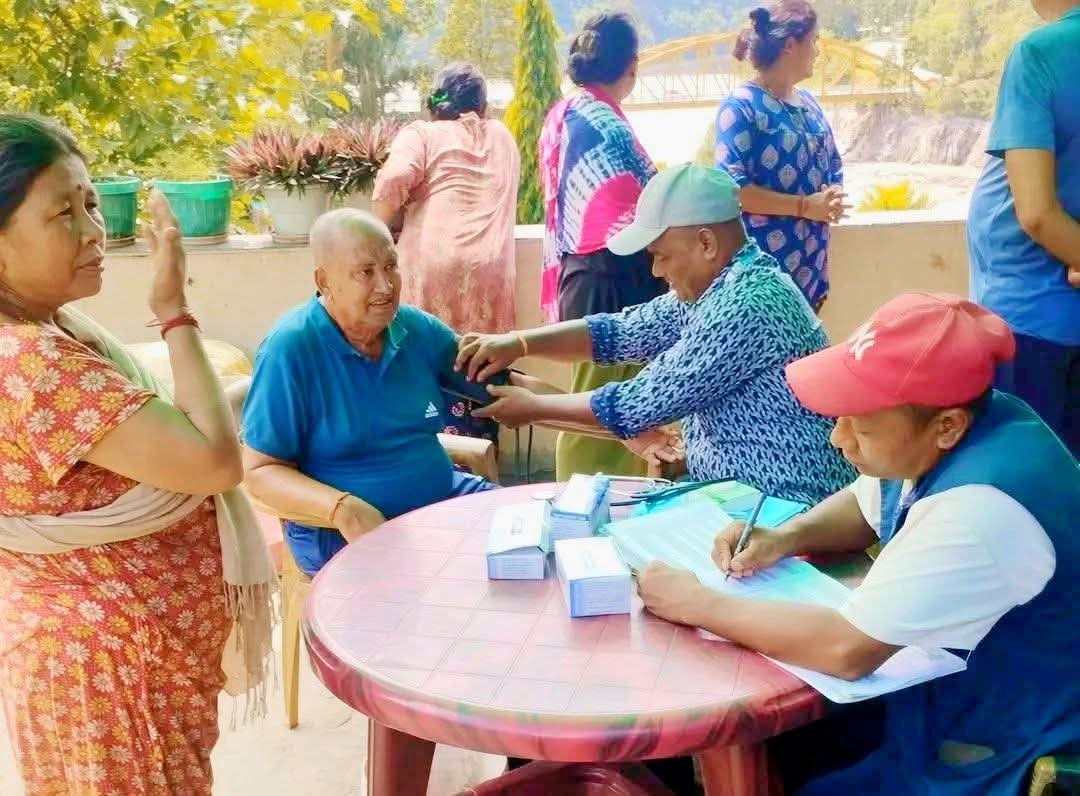
Safe water, sanitation, disease surveillance, emergency healthcare, medicine supplies, maternal health services and mental health support must now be delivered alongside continuing rescue and recovery operations.
The coming days will be critical.
Preventing a second disaster-this time in the form of disease outbreaks and preventable health emergencies-must become a national priority.
#NepalFloods #BhotekoshiFlood #TrishuliFlood #RasuwaDisaster #PublicHealthEmergency #SafeWater #WASH #WHO #ClimateDisaster #DisasterResponse #Nepal #EcosphereNews #HealthEmergency #ClimateCrisis #FloodRecovery