Kathmandu, Nepal - Environmental sustainability has become one of the defining challenges of the 21st century as countries and communities around the world confront interconnected crises of climate change, biodiversity loss, pollution and growing pressure on natural resources.
From rising temperatures and increasingly disruptive extreme weather to deforestation, water stress and plastic pollution, environmental pressures are affecting ecosystems, economies and human wellbeing across regions. These challenges are not isolated; they are closely connected and often reinforce one another.
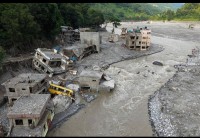
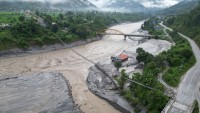
Climate change remains a major driver of environmental disruption. Continued greenhouse gas emissions are contributing to global warming, glacier and ice loss, sea-level rise and changes in rainfall patterns, while increasing the risks of heatwaves, droughts, floods, wildfires and other climate-related hazards.
At the same time, biodiversity is declining as forests, wetlands, grasslands, rivers and other habitats face conversion, degradation and fragmentation. The loss of ecosystems threatens wildlife as well as essential services such as pollination, soil fertility, water regulation and carbon storage.
Pollution presents another major sustainability challenge. Plastic waste, untreated wastewater, hazardous chemicals and air pollution continue to place pressure on human health and natural systems. Meanwhile, increasing demand for freshwater, food, energy and raw materials is intensifying pressure on already vulnerable ecosystems.
Deforestation and unsustainable land use further weaken the planet's ability to absorb carbon and maintain ecological balance. In many developing countries, communities also face difficult choices because affordable and reliable alternatives to fossil fuels and traditional biomass remain limited.
From commitments to implementation
One of the biggest obstacles to environmental sustainability is the gap between commitments and implementation. Long-term environmental goals can conflict with short-term economic interests, while inadequate finance, technology, institutional capacity and international cooperation can slow progress.
The way forward requires a fundamental transition toward more sustainable production and consumption.
Accelerating renewable energy, improving energy efficiency and reducing dependence on fossil fuels are essential. At the same time, economies need to move toward circular approaches that reduce waste, extend product lifespans, increase reuse and recycling, and use natural resources more efficiently.
Stronger environmental laws, effective enforcement, sustainable agriculture, ecosystem restoration and responsible land-use planning are equally important. Just as importantly, communities must have a meaningful role in environmental decision-making, particularly those most vulnerable to climate and ecological risks.
Environmental sustainability ultimately requires action at every level-from international cooperation and national policy to local governments, businesses and households.
The central challenge is no longer simply understanding what is happening to the planet. It is turning knowledge, commitments and available solutions into sustained action at the scale required.
For a sustainable future, economic development and environmental protection must increasingly be treated not as competing priorities, but as interconnected foundations of resilient societies.
#EnvironmentalSustainability #ClimateAction #ClimateChange #Biodiversity #Pollution #SustainableDevelopment #RenewableEnergy #CircularEconomy #EcosystemRestoration #WaterSecurity #Deforestation #GreenEconomy #SustainableConsumption #NatureConservation #ClimateJustice #EcosphereNews