KATHMANDU, September 24, 2026 - The devastating floods and landslides that struck northern Nepal in August have intensified a wider international debate over climate reparations, as climate-vulnerable countries increasingly call for stronger financial support to address losses and damage associated with a warming planet.
Climate reparations generally refer to demands for financial and structural compensation from countries and, in some arguments, major fossil-fuel companies whose historical greenhouse-gas emissions have contributed substantially to climate change, while poorer and highly vulnerable countries face severe consequences. The concept is framed by its proponents as an issue of justice and historical responsibility, rather than conventional humanitarian assistance or development aid.
The debate has particular resonance in Nepal, a Himalayan country that contributes only a small share of global greenhouse-gas emissions but faces growing risks from glacier and snow melt, floods, landslides and other climate-related hazards.
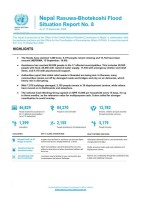
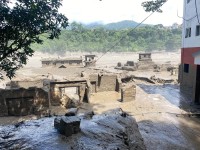
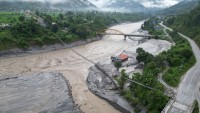
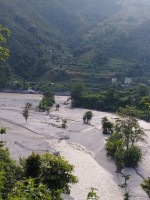
Following the catastrophic August 26 floods, Nepal has called for greater international financial support to address climate-related losses and reconstruction. The UN reported on September 9 that 1,367 people had been confirmed dead and 5,132 remained missing, while about 84,270 people had been affected by the disaster. The floods caused extensive damage to roads, schools, power systems, water infrastructure and livelihoods.
For countries advocating climate reparations, the central argument goes beyond emergency relief. They seek resources for rebuilding damaged infrastructure, restoring ecosystems and livelihoods, strengthening climate resilience, supporting displaced communities and addressing irreversible losses. Advocates also distinguish grants from loans, arguing that borrowing to recover from climate-related disasters can deepen the debt burdens of vulnerable developing countries.
However, climate reparations remain politically and legally contested. The international climate regime has developed mechanisms for addressing loss and damage, including the UN-backed Fund for Responding to Loss and Damage, but these mechanisms do not establish a general system requiring particular countries to pay reparations for historical emissions. The Fund was operationalized at COP28 as part of new funding arrangements for responding to loss and damage.
The distinction is important: loss and damage finance is an established international climate-policy mechanism, while climate reparations remain a broader political, ethical and legal demand. Some legal and human-rights discussions argue that historical responsibility should play a greater role, while governments have continued to differ over questions of causation, responsibility, liability and compensation.
For Nepal, the issue has become increasingly urgent. The United Nations has described the country's recent disaster as a stark example of the losses faced by climate-vulnerable countries that have contributed relatively little to global warming. Nepal's request for support from the Loss and Damage Fund is now part of that broader international conversation.
The emerging debate therefore asks a fundamental question of global climate governance: should countries and communities facing the most severe consequences of climate change receive support simply as humanitarian assistance-or should a greater share of that support be understood as a matter of responsibility, justice and restitution?
As climate extremes intensify, Nepal's experience is likely to remain an important part of that international discussion.
#ClimateReparations #ClimateJustice #LossAndDamage #Nepal #ClimateChange #ClimateCrisis #Himalayas #GlacialFloods #ClimateFinance #ClimateAction #EnvironmentalJustice #GlobalSouth #ClimateVulnerableCountries #EcosphereNews