Air Pollution, Extreme Heat, Drought and Rising Seas: Planetary Pressures Intensify
The world is facing a growing convergence of environmental threats, from deadly air pollution and extreme heat to worsening drought, rising seas and increasing instability in the world's mountain regions.
Air Pollution: A Global Health Emergency
Air pollution continues to affect communities across the world, with pollution from fossil fuels, road traffic, industry and wildfires damaging human health and ecosystems.
Recent reporting highlights that air pollution is linked to millions of premature deaths globally each year and can affect nearly every organ in the human body. However, evidence from cities that have introduced low-emission zones, cleaner transport and cycling infrastructure shows that strong public policies can significantly improve air quality.
The transition toward clean electricity, electric transport and cleaner cooking is increasingly being seen not only as a climate solution-but also as a major public-health intervention.
Europe Faces a Climate Divide: Extreme Heat and Heavy Rain
Italy is once again experiencing the dramatic contrasts associated with an increasingly volatile climate, with intense heat affecting southern regions and islands while northern areas face periods of severe rainfall and storms.
Such extremes illustrate a broader challenge facing Europe: the same summer can bring dangerous heatwaves, drought and water shortages to some regions while others experience intense rainfall and flooding.
Scientists increasingly warn that a warmer atmosphere can intensify heat extremes while also holding more moisture, increasing the potential for heavy rainfall events.
Gardens of the Future: Designing for Climate Change
Climate change is also transforming the way landscapes and gardens are designed.
Ecological planting pioneer James Hitchmough has drawn attention to the importance of resilient landscapes capable of surviving changing temperatures, drought and other climate pressures.
The idea is increasingly important for cities worldwide: urban green spaces must not only be beautiful-they must also be capable of adapting to hotter, drier and more unpredictable conditions.
Climate-resilient planting, drought-tolerant species and biodiversity-focused landscape design could become increasingly essential in the decades ahead.
Climate and Artificial Intelligence Rise on Europe's Political Agenda
Climate policy and artificial intelligence are expected to remain major issues shaping Europe's political and economic agenda.
As governments attempt to accelerate clean-energy transitions while simultaneously responding to technological transformation, policymakers face a complex challenge: ensuring that artificial intelligence supports sustainability rather than increasing energy demand and environmental pressure.
The growing electricity requirements of data centres and AI systems are likely to make clean-energy investment an increasingly important part of future climate and technology strategies.
Europe's Drought Crisis Threatens Rivers, Fish and Agriculture
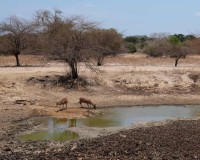
Extreme drought and persistent heat are placing severe pressure on European rivers, lakes and agricultural systems.
Low water levels can reduce oxygen availability in rivers and lakes, threatening fish and other aquatic life. At the same time, farmers face increasing water shortages, while hydropower, navigation and ecosystems can also be affected.
The crisis demonstrates how drought is not simply an agricultural problem-it is a wider environmental and economic emergency affecting entire river systems and communities.
Rising Seas, Rising Stakes for Humanity
Sea-level rise remains one of the most serious long-term consequences of global warming.
As oceans warm and expand and land-based ice continues to melt, coastal communities face increasing risks from flooding, erosion, saltwater intrusion and stronger storm surges.
The consequences are particularly serious for small island states, low-lying coastal cities and communities dependent on coastal agriculture and freshwater resources.
Sea-level rise is not a distant future threat. Its impacts are already being felt in many parts of the world, increasing the urgency of both emissions reductions and long-term adaptation.
Galápagos Corals Reveal More Extreme El Niño Events
A major scientific development has emerged from the Galápagos Islands, where coral records are providing new evidence about the changing behaviour of the El Niño-Southern Oscillation.
Research examining coral records over the past millennium suggests that strong El Niño events during recent decades have been more intense than those seen during much of the previous 1,000 years.
The findings add to growing evidence that human-driven global warming may be influencing the intensity and behaviour of major climate systems. Scientists caution that ENSO remains complex and that uncertainties remain about exactly how it will evolve in the future.
Nevertheless, the coral evidence provides an important warning: a warming planet may experience increasingly disruptive climate extremes associated with powerful El Niño events.
Nepal Disaster: Scientists Urge Caution While Climate Risks Come Into Focus
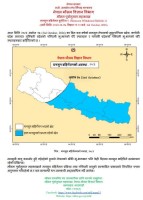
The catastrophic glacier and rock-related flood disaster affecting Nepal and Tibet has become one of the most devastating environmental tragedies in the Himalayan region.
Investigations indicate that a major glacier and mountain collapse triggered an enormous flow of water, mud, ice and debris into downstream river systems. The disaster has caused hundreds of deaths and left thousands missing, while communities and infrastructure across affected river corridors have suffered catastrophic damage.
However, scientists are urging caution over claims that climate change alone caused this specific disaster.
The precise trigger and chain of events still require detailed scientific investigation. Yet researchers agree that climate change is creating conditions that can increase risks in high-mountain environments.
Rising temperatures can contribute to glacier retreat, permafrost thaw and the destabilisation of ice and rock in mountain regions. These processes can increase the likelihood of landslides, ice avalanches, debris flows and dangerous glacial floods.
In other words, climate change may not necessarily be the sole direct trigger of a single collapse-but it is increasingly altering the environmental conditions that make such disasters more likely and potentially more severe.
The Bigger Picture
From polluted cities and drought-stricken rivers to overheating countries, rising oceans and unstable himalayan mountain systems, the environmental stories emerging in 2026 carry a common message:
Climate change and environmental degradation are no longer separate challenges. They are increasingly interconnected crises affecting human health, food systems, biodiversity, water security and economic stability.
But there is also hope.
Cleaner transport can improve the air we breathe. Climate-resilient landscapes can protect biodiversity. Renewable energy can reduce pollution and emissions. Better scientific monitoring can provide earlier warnings of mountain hazards.
The solutions already exist.
The question facing governments, businesses and communities is whether the world can implement them fast enough.
The environment is sending increasingly powerful signals. The time to listen-and act-is now.
- Ecosphere News
#Environment #ClimateChange #GlobalWarming #AirPollution #ClimateCrisis #ExtremeWeather #ItalyHeatwave #Drought #SeaLevelRise #ElNino #Galapagos #Biodiversity #NepalFlood #Himalayas #GlacierCollapse #ClimateAction #CleanEnergy #Sustainability #EcosphereNews