NEW YORK, September 23, 2026 - United Nations Secretary-General António Guterres has renewed his warning about the accelerating climate crisis, recalling his 2023 visit to Nepal’s Himalayas and saying the impacts of climate change are arriving sooner, hitting harder and spreading farther than many anticipated.
Addressing world leaders at the opening of the 81st session of the United Nations General Assembly in New York on September 22, Guterres referred directly to his warning during his visit to Nepal three years ago, when he described the country’s rapidly melting glaciers as a sign that the “rooftops of the world are caving in.”
“Three years ago, in the mountains of Nepal, I sounded the alarm on accelerating glacier melt,” Guterres said. “But-as tragic events have shown-impacts are arriving sooner, hitting harder, and spreading further than many anticipated.”
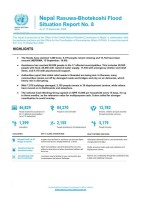
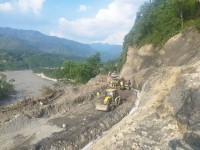
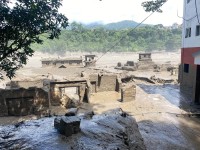
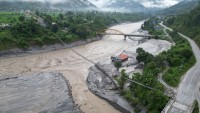
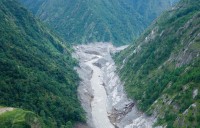
Although Guterres did not specifically mention the August 26 Bhotekoshi disaster in his address, his remarks came weeks after the devastating flood and ice-rock collapse near Nepal’s northern border with China. The disaster has become a major focus of Nepal’s international climate diplomacy, particularly its calls for greater support for adaptation, recovery and loss and damage. The Kathmandu Post reported that the disaster killed more than 1,400 people and left more than 5,000 missing.
Guterres identified climate change as one of four major “tests of power” confronting humanity, alongside war and peace, inequality, and artificial intelligence. He framed the climate crisis as an intergenerational imbalance in which those contributing least to the problem can face some of its most severe consequences.
The UN chief called for stronger international action on climate adaptation and finance. He urged developed countries to triple adaptation finance and called for the Loss and Damage Fund to work at scale, arguing that the resources currently available remain far too small for the needs facing vulnerable countries.
He also called on governments to adopt national plans for transitioning away from fossil fuels in line with the 1.5°C temperature goal, while protecting workers and communities affected by the transition. “Polluters must pay,” Guterres said, linking climate accountability with the need for greater international action.
For Nepal, the remarks come at a critical moment. The country is seeking greater international recognition of the disproportionate climate risks facing its mountain communities and is pressing for increased climate finance and support for rebuilding infrastructure damaged by recent extreme events.
Prime Minister Balendra Shah, who is attending the UN General Assembly in New York, is expected to highlight Nepal’s climate vulnerability and its demands for international support during his address to the General Assembly on September 24.
Guterres also warned that the clean-energy transition must not reproduce inequalities associated with the fossil-fuel era. He called for countries and communities producing critical minerals to retain a greater share of the value generated from those resources.
His message from New York echoes the warning he delivered from the Himalayas in 2023: climate change is no longer a distant threat. For countries such as Nepal, the consequences are increasingly being experienced through floods, glacier and ice hazards, infrastructure losses and growing pressure on already vulnerable communities.
As Nepal takes its climate justice concerns to the international stage, Guterres’ renewed reference to the country’s melting glaciers places the Himalayan climate crisis firmly within the broader global debate over adaptation, finance, accountability and loss and damage.
Ecosphere News | Environment • Climate • Development
#EcosphereNews #Nepal #ClimateChange #ClimateCrisis #Guterres #AntónioGuterres #UNGA81 #UNGA #ClimateJustice #LossAndDamage #ClimateFinance #AdaptationFinance #Himalayas #GlacierMelt #GlacialRisks #Bhotekoshi #NepalFloods #MountainCommunities #ClimateAction #GlobalWarming #1point5C #ClimateDiplomacy #Sustainability #EnvironmentalJournalism #Nature #Resilience