Nepalganj, Nepal | Ecosphere News
As climate change, renewable energy expansion, and the global race for critical minerals dominate international headlines, scientists and environmental observers are warning that several interconnected ecological threats continue to receive far too little mainstream attention. Experts say these emerging crises are not isolated problems; they are compounding systemic risks that could have long-term consequences for ecosystems, public health, and planetary stability.
Thawing Permafrost Could Release Ancient Microbes
One of the least discussed dimensions of the climate crisis is the rapid thawing of permafrost in the Arctic and other polar regions. Permafrost has preserved organic material, microbes, and chemical compounds for thousands of years. As global temperatures rise, this frozen ground is beginning to melt at unprecedented rates.
Climate discussions typically emphasize the release of carbon dioxide and methane from thawing permafrost, both of which accelerate global warming. However, researchers are increasingly examining another possibility: the reactivation of ancient bacteria, viruses, and other microbial agents that modern ecosystems and human populations may have never encountered.
Scientists stress that the probability and scale of such biological risks remain uncertain, but the lack of comprehensive monitoring means the threat is poorly understood rather than disproven. Public health experts argue that stronger surveillance in rapidly warming cryosphere regions is essential.
The Toxic Afterlife of Green Technology
The global transition toward electric vehicles, solar energy, and battery storage is widely promoted as a cornerstone of climate action. Yet environmental analysts warn that the waste generated by these technologies is growing rapidly and could create a new generation of pollution hotspots.
Spent lithium-ion batteries, damaged solar panels, and residues from industrial recycling processes can contain hazardous substances such as heavy metals, corrosive electrolytes, and toxic chemical compounds. In many countries, recycling infrastructure and environmental safeguards have not kept pace with the explosive growth in clean-energy technologies.
Communities located near informal recycling operations or poorly regulated disposal facilities often face soil contamination, groundwater pollution, and exposure to toxic emissions. Critics say that while the production of green technologies receives substantial investment and positive publicity, the environmental burden associated with their end-of-life management remains underreported and insufficiently regulated at the global level.
Experts are calling for extended producer responsibility, international waste-tracking systems, and stricter recycling standards to prevent the clean-energy transition from shifting pollution from one region to another.
Deep-Sea and Riverbed Mining Raises Irreversible Risks
The intensifying demand for nickel, cobalt, lithium, manganese, and other critical minerals is driving exploration into increasingly fragile environments, including deep-ocean floors and river basins.
Deep-sea mining proposals target mineral-rich nodules and seafloor deposits that support complex benthic ecosystems, many of which remain largely unexplored by science. Marine researchers warn that large-scale extraction could generate sediment plumes, underwater noise pollution, habitat destruction, and long-lasting chemical disturbances in ocean systems that play a vital role in global climate regulation.
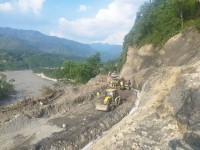
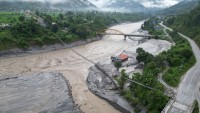
Similar concerns are emerging in riverbed mining operations, where excessive extraction of sand, gravel, and mineral-bearing sediments can alter river flow, increase erosion, damage fish habitats, and destabilize freshwater ecosystems that millions of people depend upon for drinking water, agriculture, and livelihoods.
Environmental scientists caution that humanity may be moving toward industrial exploitation of ecosystems before their biodiversity and ecological functions have even been fully documented.
Why These Stories Matter
What connects these three issues is that they represent hidden environmental costs of a rapidly changing world:
Climate warming may unlock biological and chemical risks from thawing permafrost.
Clean-energy technologies may generate toxic waste streams that threaten vulnerable communities.
Critical mineral extraction may damage poorly understood aquatic and marine ecosystems in the pursuit of decarbonization.
Researchers emphasize that addressing climate change remains essential, but they argue that solutions must be evaluated across their entire life cycle. Failure to investigate these emerging threats could create new environmental emergencies while attempting to solve existing ones.
As governments prepare future climate, energy, and resource policies, scientists are urging policymakers and media organizations to devote greater attention to these underreported systemic risks. Greater transparency, independent scientific research, and international environmental governance will be crucial to ensure that the transition to a low-carbon future does not produce new ecological crises hidden beneath the surface.
#EcosphereNews #ClimateChange #Permafrost #Cryosphere #AncientMicrobes #EnvironmentalHealth #GreenTechnology #BatteryWaste #SolarPanelWaste #ToxicPollution #CircularEconomy #DeepSeaMining #RiverbedMining #CriticalMinerals #Biodiversity #OceanConservation #FreshwaterEcosystems #Sustainability #EnvironmentalJustice #HiddenCrisis