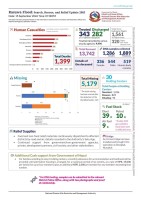
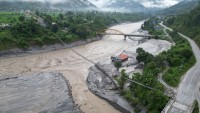
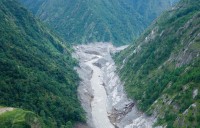
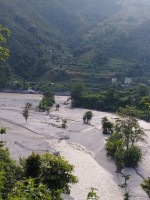
Pokhara, Nepal - Continuous monsoon rainfall has pushed Nepal into a deepening humanitarian and infrastructure crisis, with widespread floods and landslides claiming more than 163 lives and injuring 972 people over the past three months, according to the National Disaster Risk Reduction and Management Authority (NDRRMA). The pace and severity of disaster incidents have intensified sharply in recent days, prompting authorities to activate nationwide emergency response mechanisms.
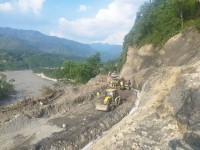
Relentless rainfall has severely disrupted transportation across the country, leaving several major highways blocked by landslides, flooding, and debris. The BP Highway between Khurkot and Nepalthok remains open only during daylight hours due to ongoing landslide risks, while multiple sections of the Araniko Highway in Sindhupalchok have been completely obstructed. The Mechi Highway in Ilam and the Kaligandaki Corridor in Baglung have also become impassable, isolating communities and delaying the movement of essential goods and emergency services.
Urban centres are also facing significant impacts. In the Kathmandu Valley, overwhelmed drainage systems have caused extensive waterlogging in low-lying areas including Maitighar, Putalisadak, and Anamnagar, disrupting daily life and transportation. Authorities have issued flash flood warnings for rivers flowing through and around the capital, urging residents to remain vigilant.
In Pokhara, rising water levels in Phewa Lake have inundated sections of the popular Lakeside tourism area, raising concerns over tourism-related infrastructure and local businesses during the peak monsoon season.
The human toll continues to rise as landslides strike vulnerable settlements in several districts, including Kalikot, where fatal incidents have been reported. Search, rescue, and relief operations are ongoing, with security agencies working around the clock to assist affected communities and restore blocked transport corridors.
Disaster management authorities have identified 31 districts as facing moderate to high risks of floods and landslides. Residents have been advised to avoid unnecessary and overnight travel, stay away from riverbanks and landslide-prone slopes, and closely follow official weather and emergency advisories. The emergency hotline 1155 remains operational for disaster information and assistance.
The unfolding crisis once again highlights Nepal's growing vulnerability to climate-induced extreme weather events. Experts emphasize that strengthening resilient infrastructure, improving watershed management, enhancing early warning systems, and promoting sustainable land-use planning are essential to reducing future disaster risks.
As monsoon conditions persist, coordinated action among government agencies, local authorities, humanitarian organizations, and communities will be critical to protecting lives, safeguarding livelihoods, and accelerating recovery efforts across the country.
#EcosphereNews #Nepal #Monsoon #Floods #Landslides #ClimateChange #DisasterRiskReduction #NDRRMA #EmergencyResponse #ClimateResilience #FloodSafety #Infrastructure #SustainableDevelopment #NepalMonsoon #EnvironmentalNews