Kathmandu, June 30 - As Nepal enters the peak monsoon season, the country's disaster preparedness is once again under intense scrutiny, with experts and disaster management authorities emphasizing that effective governance before disasters strike is just as important as emergency response after they occur.
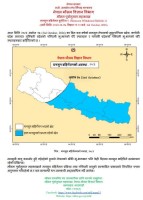
Recognizing the growing threat posed by climate-induced floods and landslides, the Government of Nepal has approved the National Monsoon Preparedness and Response Action Plan 2026, outlining coordinated responsibilities for federal, provincial and local governments, security agencies, and humanitarian partners. The plan focuses on strengthening early warning systems, search and rescue operations, emergency relief, and protection of vulnerable communities. It also identifies responsible agencies, designated contact persons, and essential rescue and relief resources required throughout the monsoon season.
The National Disaster Risk Reduction and Management Authority (NDRRMA) has directed all concerned agencies and district-level authorities to fully implement the national action plan and regularly report on preparedness activities. Local governments have also been urged to keep heavy equipment, emergency supplies, and response teams on standby to ensure rapid action during disasters.
Disaster risk experts note that while Nepal has made significant progress in institutional preparedness over recent years, the true measure of success lies in how effectively policies are translated into action at the community level. Early warning systems, timely evacuation, resilient infrastructure, proper land-use planning, and transparent coordination among all levels of government remain critical to minimizing the loss of lives and property.
Climate change has further heightened the urgency of preparedness efforts. Scientific observations indicate that Nepal is experiencing increasingly erratic and intense rainfall, contributing to more frequent flash floods, landslides, river erosion, and damage to infrastructure and agriculture. Communities living in fragile mountain slopes, riverbanks, and flood-prone lowlands continue to face disproportionate risks.
Disaster management specialists argue that monsoon preparedness should no longer be viewed solely as an emergency response exercise but as a continuous governance responsibility that includes prevention, climate adaptation, infrastructure maintenance, and community resilience. Investments in anticipatory action, forecasting systems, resilient development, and coordinated planning are increasingly regarded as essential to reducing future disaster impacts.
With forecasts indicating continued heavy rainfall across many parts of the country, this year's monsoon season will serve as a critical test of Nepal's ability to transform disaster preparedness plans into effective action. The extent to which authorities can safeguard lives, livelihoods, and critical infrastructure will ultimately reflect the strength of governance in the face of an increasingly unpredictable climate.
#EcosphereNews #Nepal #Monsoon2026 #ClimateChange #DisasterRiskReduction #FloodPreparedness #LandslideRisk #ClimateResilience #EarlyWarning #Governance #SustainableDevelopment #EnvironmentalJournalism