Kathmandu - Climate experts and international organizations are warning that a developing El Niño phenomenon is likely to intensify in the coming months, with forecasts indicating that it could peak around November and significantly impact global food supplies, agriculture, water resources, and weather patterns.
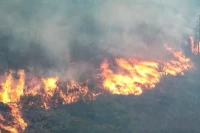
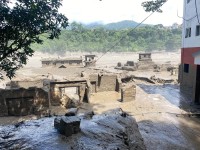
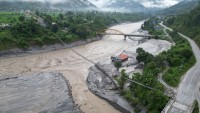
According to the World Meteorological Organization (WMO), there is a high probability that El Niño conditions will persist through the latter part of the year. Scientists caution that the warming of Pacific Ocean surface waters could trigger a range of extreme weather events, including prolonged droughts, intense rainfall, floods, heatwaves, and wildfires across different regions of the world.
The phenomenon is expected to have serious implications for food production, particularly in regions heavily dependent on seasonal rainfall. Agricultural experts warn that reduced rainfall in parts of Asia, Australia, and other vulnerable regions could affect crop yields, disrupt planting seasons, and increase pressure on global food markets. Smallholder farmers and rural communities are considered among the most vulnerable groups.
The United Nations has also expressed concern over the potential humanitarian consequences of a strong El Niño event. The Food and Agriculture Organization (FAO) and the World Food Programme (WFP) recently appealed for emergency funding to help millions of people in high-risk countries prepare for anticipated climate-related disruptions.
Experts note that El Niño naturally occurs every two to seven years and typically lasts between nine and twelve months. However, in a warming climate, its impacts may become more severe as higher global temperatures amplify heatwaves, heavy rainfall events, and drought conditions. The last major El Niño event contributed to record global temperatures and widespread weather disruptions.
Although some analysts point out that current global grain inventories are relatively strong and could help cushion food supply shocks, concerns remain that weather-related crop losses and market disruptions could still contribute to food price volatility in many parts of the world. Governments and humanitarian agencies are being urged to strengthen early-warning systems, improve disaster preparedness, and support climate-resilient agriculture.
For countries such as Nepal, where agriculture remains highly dependent on monsoon rainfall, climate experts stress the importance of preparedness measures to reduce risks associated with potential droughts, irregular rainfall, and other climate-related hazards.
As El Niño conditions continue to develop, global attention is increasingly focused on protecting food security, safeguarding vulnerable communities, and strengthening resilience against the growing threat of climate extremes.
#EcosphereNews #ElNino #ClimateChange #FoodSecurity #ExtremeWeather #GlobalWarming #Agriculture #ClimateCrisis #DisasterPreparedness #SustainableDevelopment #Environment #Nepal #ClimateResilience #WeatherAlert #GlobalFoodSystem