Kathmandu, Nepal - Nepal’s national highway network has witnessed significant expansion over the past few years, reflecting the government’s push to improve connectivity and regional accessibility. As of mid-2024 to early 2025, the total designated National Highway system spans approximately 11,178 to 14,913 kilometers, depending on classification and reporting standards.
According to statistics from the Department of Roads (SNH-2020/21), Nepal’s 80 designated national highways previously covered about 11,178.92 kilometers, including blacktopped, gravel, and earthen sections. However, more recent updates, following administrative expansion and reclassification, indicate that the total designated network may now reach around 14,913 kilometers.
Expansion After 2021 Policy Shift
A major turning point came in 2021 when the Government of Nepal expanded the national highway network by adding 59 new highways. This administrative decision significantly increased the total length and number of officially recognized national routes.
However, experts note that variations in reported figures arise because some reports include:
Newly designated highways that are yet to be upgraded,
Auxiliary or feeder roads attached to main corridors,
Roads still under construction or in earthen condition.
Major Strategic Corridors
Nepal’s highway network includes several nationally strategic corridors:
Mahendra Highway - Approximately 1,027 km, forming the backbone of east-west connectivity across the Terai.
Pushpalal Mid-Hill Highway - Over 1,776 km, linking mid-hill districts and promoting balanced regional development.
Postal Highway - Estimated between 975 to 1,857 km including auxiliary sections, strengthening cross-border connectivity in the southern plains.
Madan Bhandari Highway – Designed to connect inner Terai and Chure regions.
These corridors are central to Nepal’s long-term infrastructure vision, aiming to improve trade logistics, tourism access, and rural integration.
Total Road Network Crosses 35,000 Kilometers
Beyond national highways, Nepal’s overall road network-ncluding provincial and local roads-has now exceeded 35,000 kilometers. This rapid expansion reflects increased decentralization and local-level infrastructure development following federal restructuring.
As of mid-2024, the total blacktopped road length nationwide reached 18,808 kilometers, covering national, provincial, and local categories.
Development vs Sustainability Concerns
While infrastructure growth has improved mobility and economic opportunities, environmental and sustainability experts caution about:
Road-induced deforestation,
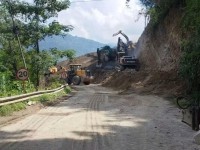
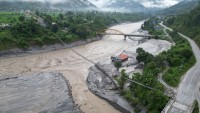
Landslide vulnerability in hill regions,
Unplanned urban sprawl along highway corridors,
Maintenance gaps in newly expanded routes.
With Nepal’s fragile Himalayan terrain, balancing infrastructure development with environmental safeguards remains a critical policy challenge.
Moving Forward
The rapid expansion of Nepal’s highway network signals progress in national connectivity. However, clarity in classification, transparency in reporting, and sustainable construction practices will be essential to ensure that infrastructure growth contributes to long-term economic resilience rather than environmental degradation.
For a mountainous country like Nepal, highways are more than transport routes-they are lifelines. The coming years will determine whether this expansion translates into inclusive and sustainable development.