Kathmandu - With just 32 days remaining until Nepal’s general election, the country has entered a decisive phase in its democratic process. Political parties, election authorities, civil society organisations, and voters are now preparing for what is expected to be one of the most closely observed electoral exercises in recent years.
The upcoming election, which will determine the composition of the House of Representatives, comes at a time when public expectations are high. Issues such as economic recovery, employment, governance reform, environmental sustainability, and federal implementation continue to dominate public discourse across urban and rural Nepal.
The Election Commission of Nepal has intensified logistical and administrative preparations, focusing on voter education, polling station management, security coordination, and the use of technology to ensure transparency and credibility. According to officials, special emphasis is being placed on inclusive participation, including first-time voters, women, senior citizens, and people with disabilities.
Meanwhile, political parties have accelerated their campaign activities, holding rallies, public interactions, and policy dialogues nationwide. While traditional concerns such as infrastructure development and service delivery remain central, there is a growing emphasis on climate resilience, green development, and sustainable economic pathways—reflecting rising public awareness of environmental challenges.
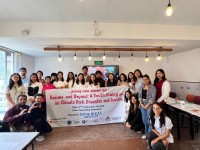
Civil society groups and media organisations have also stepped up election-focused engagement. Monitoring bodies are calling for peaceful campaigning, responsible political messaging, and strict adherence to the electoral code of conduct. Observers note that the role of social media will be critical in shaping public opinion, making fact-based reporting and misinformation control more important than ever.
For voters, the next 32 days represent not just a countdown to polling day, but an opportunity to critically assess candidates, policies, and commitments. Analysts stress that voter participation will play a key role in strengthening democratic accountability and ensuring that elected representatives genuinely reflect the people’s mandate.
As Nepal moves closer to election day, attention now turns to whether the process can deliver a free, fair, peaceful, and environmentally responsible election, reinforcing public trust in democratic institutions and shaping the country’s political direction for the years ahead.