Kathmandu, Nepal - The three-day 7th International Dignified Menstruation Day: Learning Conference 2025 officially began in Kathmandu yesterday, bringing together a diverse global community to advance the discourse on dignified menstruation as a human rights and social justice issue.
Organised by the Global South Coalition for Dignified Menstruation (GSCDM)-an initiative founded in 2019 by Nepal-based Radha Paudel Foundation (RPF)-the conference is being held from 8-10 December 2025 under the theme “Dignified Menstruation: Reclaim Inherent Dignity, Equity and Inalienable Rights.” The event also marks the observance of International Dignified Menstruation Day, celebrated annually on December 8.
The learning conference is being led by GSCDM, RPF, and Dignified Menstruation Inc. (USA, 501(c)(3)), with co-organisation support from the National Youth Council of Nepal and the MenEngage Alliance (Global). The programme has drawn participation from activists, researchers, policymakers, UN representatives, youth leaders, donors, media, and menstruators from varied backgrounds, including persons with disabilities and LGBTQIA++ communities.
Reframing menstruation as a human rights issue
Since its inception, GSCDM has promoted Dignified Menstruation as a holistic, decolonised framework that links menstrual discrimination with gender-based violence (GBV), patriarchy, and systemic inequality. The coalition also initiated the International Day for Dignified Menstruation to recognise menstrual discrimination as a violation of fundamental human rights. In 2020, a landmark three-day international workshop concluded with a 12-point declaration, laying the foundation for global advocacy.
Opening sessions of the conference reflected on this evolving journey-from lived pain, exclusion, and silence in the Global South to international recognition. Speakers highlighted that dignified menstruation has now entered encyclopaedic knowledge, influenced national and global policies, reshaped media narratives, contributed to academic literature in multiple languages, and informed trainings and submissions at UN platforms including the Commission on the Status of Women (CSW).
Key themes and discussions
The conference features in-depth plenary and parallel sessions structured around five broad themes:
Social, cultural, and political dimensions of menstrual discrimination, including redefining narratives and engaging non-menstruators such as men, boys, and faith healers;
Human rights, social justice, SRHR, and feminism, linking menstruation with GBV, comprehensive sexuality education, HIV, and child marriage;
Menstrual dignity across the lifespan, covering menopause, cancers, menstrual health, and WASH-related challenges;
Menstrual discrimination in climate crises and humanitarian settings, examining the intersections with disasters, pandemics, and displacement;
Technology, innovation, and economic mobility, including entrepreneurship, agriculture, AI, social media, and media engagement.
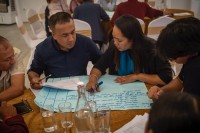
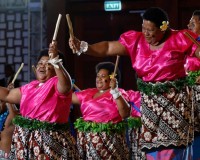
Beyond academic and policy discussions, the conference integrates arts, exhibitions, poster presentations, and theatre performances, creating inclusive spaces for storytelling, reflection, and advocacy.
Looking ahead
Organisers emphasised that, despite global challenges such as shrinking civic spaces, conflict, climate crises, and geopolitical instability, the movement for dignified menstruation continues to grow. The Kathmandu conference aims not only to review achievements but also to reframe future strategies for dismantling menstrual stigma and inequality worldwide.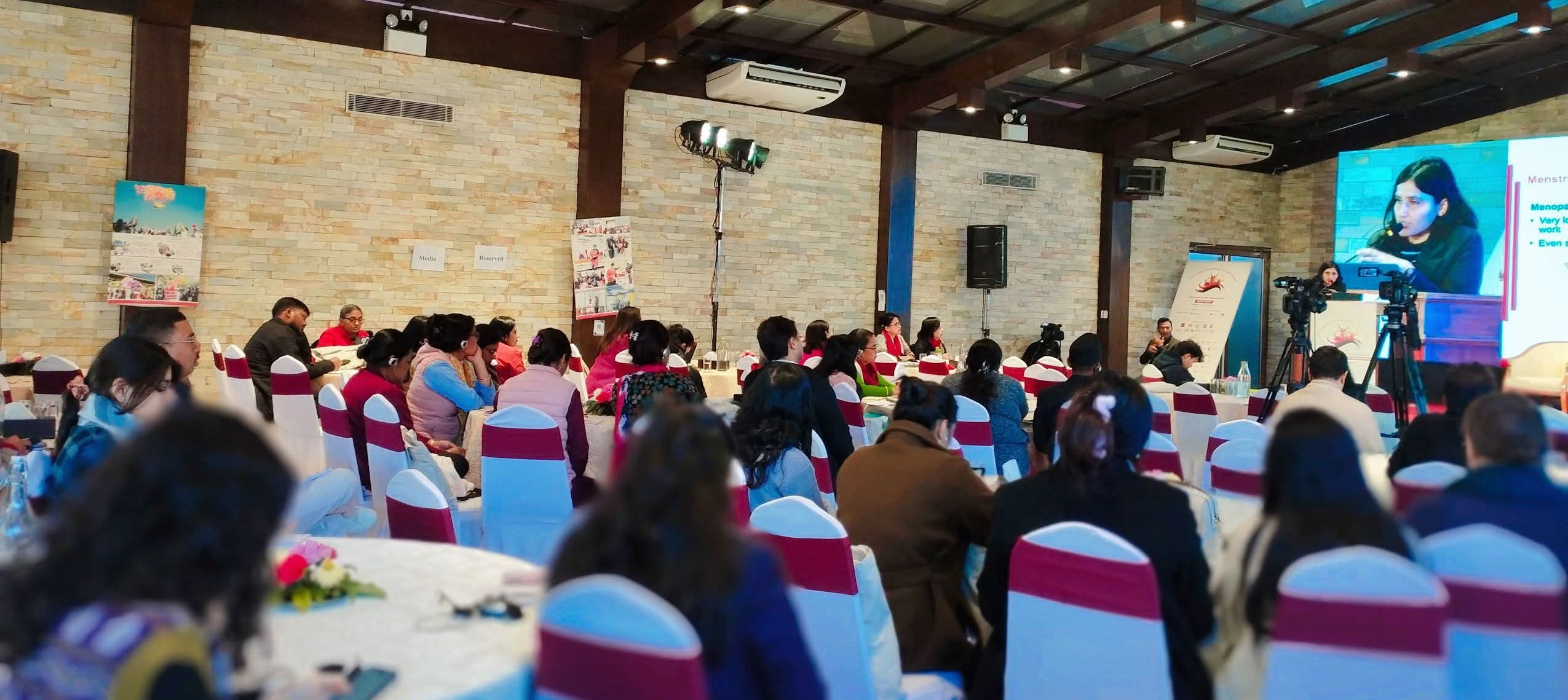
The event continues until December 10, with networking sessions and collaborative dialogues expected to strengthen global solidarity around dignified menstruation-firmly positioning it as a matter of dignity, equity, and inalienable human rights.