Kathamandu - As the world prepares to observe World Soil Day this Friday, global attention is being drawn to one of the planet’s most vital yet often overlooked resources: soil. Far more than just the ground beneath our feet, soil is a living system that sustains food production, supports biodiversity, regulates water, and plays a crucial role in climate resilience.
Experts emphasise that soil biodiversity-the rich community of organisms ranging from microorganisms and insects to earthworms and fungi-is fundamental to maintaining healthy ecosystems. These organisms improve soil fertility, enhance carbon storage, filter water, and help crops resist pests and diseases. Healthy soils are therefore essential not only for agriculture, but also for long-term environmental stability.
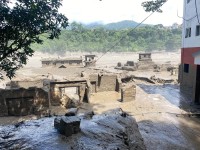
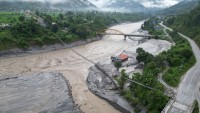
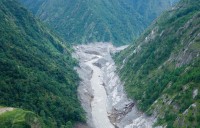
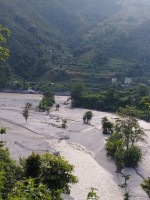
However, soils across the world are under increasing threat. Soil erosion, driven by deforestation and unsustainable farming practices, is stripping land of its productive capacity. Pollution, including chemical fertilisers, plastics and industrial waste, is contaminating soil systems. At the same time, rapid urbanisation is sealing fertile land under concrete, reducing both soil function and biodiversity.
Marking World Soil Day, environmentalists are calling for collective action at all levels-from governments and institutions to households and individuals. Simple everyday actions can make a meaningful difference. Planting trees and vegetation helps anchor soil and prevent erosion. Reducing waste and recycling limits pollutants that eventually leach into soil systems. Equally important is raising awareness about soil’s vital role in sustaining life and food security, particularly among younger generations.
In countries like Nepal, where agriculture supports a large share of livelihoods, soil health is directly linked to economic resilience and food sovereignty. Protecting soils is therefore not just an environmental responsibility, but a social and developmental priority.
This World Soil Day serves as a reminder that safeguarding soil means safeguarding life itself. By protecting the living layer of the Earth today, humanity secures a healthier, more sustainable future for generations to come.