Kathmandu, December 4, 2025
As South Asia continues to grapple with a deep and persistent nutrition crisis, a major regional conference in Kathmandu has brought renewed attention to the urgent need for solutions that work at scale. The high-level hybrid conference, jointly convened by the International Food Policy Research Institute (IFPRI), CGIAR and regional and global partners, is set to conclude tomorrow after three days of intensive dialogue and exchange.
South Asia remains one of the world’s most nutrition-challenged regions. Undernutrition, micronutrient deficiencies, and a growing burden of overweight, obesity and diet-related non-communicable diseases coexist across countries and communities. More than one billion people in the region are unable to afford a healthy diet, underscoring the scale of structural inequities in food systems, incomes, and access to services.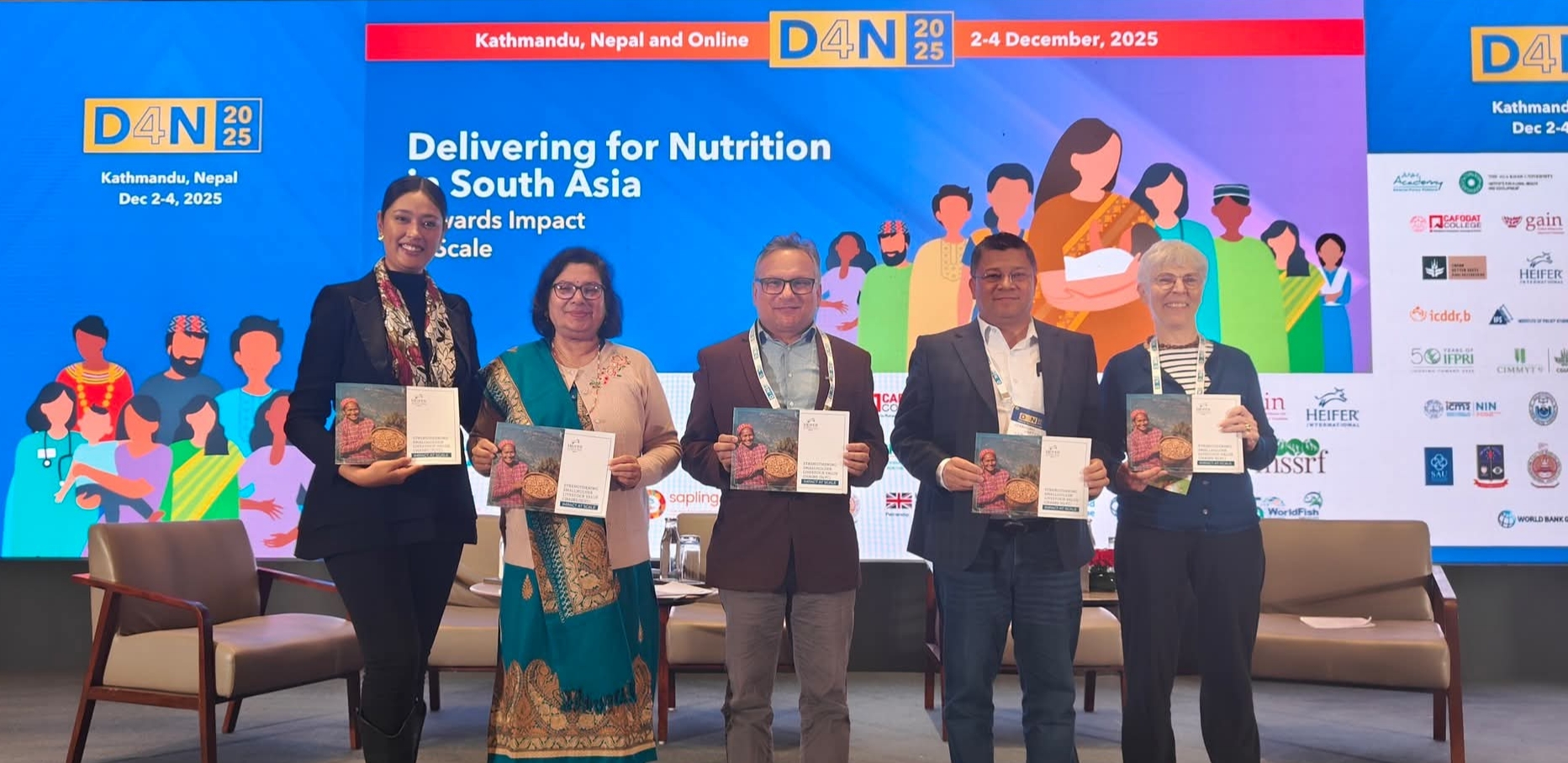
Despite a growing body of evidence on what works to improve nutrition, participants at the conference repeatedly highlighted a critical gap: translating proven interventions into sustained, large-scale impact. Inconsistent implementation, weak delivery systems, limited financing, and accountability challenges continue to slow progress across the region.
This year’s conference placed a strong emphasis on solutions-moving from commitments and pilot projects to coordinated delivery and measurable impact. Policymakers, practitioners, researchers, donors and development partners from across South Asia and beyond shared experiences on scaling up nutrition-focused actions through stronger leadership, integrated systems, climate-resilient food approaches, and long-term financing mechanisms.
Discussions also focused on emerging and compounding risks. Climate change, food system disruptions, and ongoing economic instability are intensifying nutrition vulnerabilities, particularly among women, children and marginalised groups. Speakers stressed that with the 2030 Agenda for Sustainable Development rapidly approaching, there is little time left for fragmented responses.
Hosting the conference in Nepal has carried symbolic significance. As a country simultaneously facing climate impacts, food security challenges and development transitions, Nepal reflects many of the region’s shared realities. Participants noted that South Asia’s path forward will require coordinated regional learning, cross-sector collaboration, and political commitment matched by action on the ground.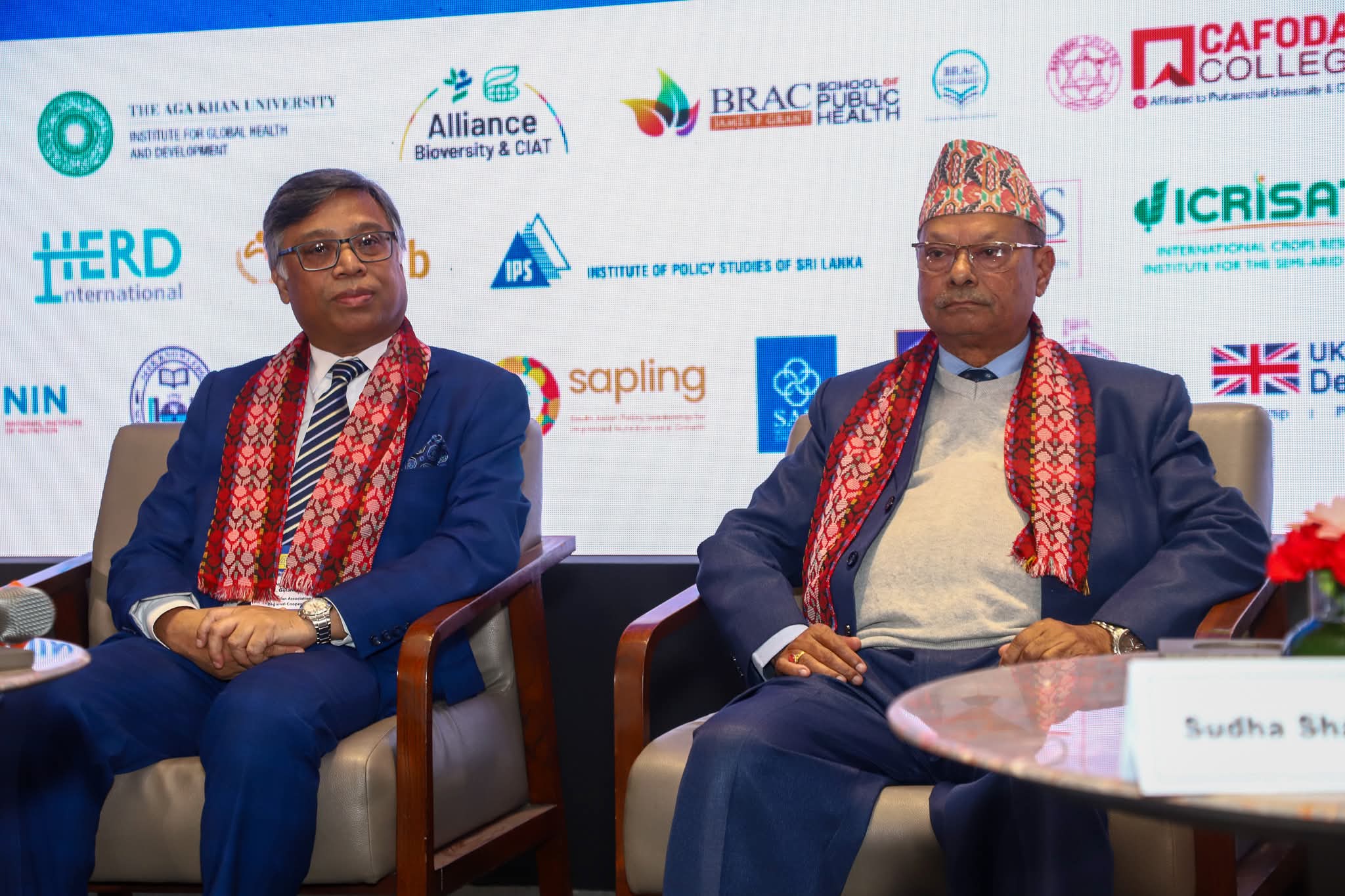
As the conference draws to a close, organisers and participants alike emphasised a common message: South Asia does not lack evidence or ideas-the challenge lies in scaling solutions that are equitable, resilient and sustainable. Whether the momentum generated in Kathmandu translates into lasting regional impact will be a test of collective resolve in the years ahead.