Kathmandu, Nepal | 25 November 2026
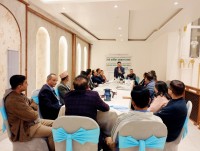
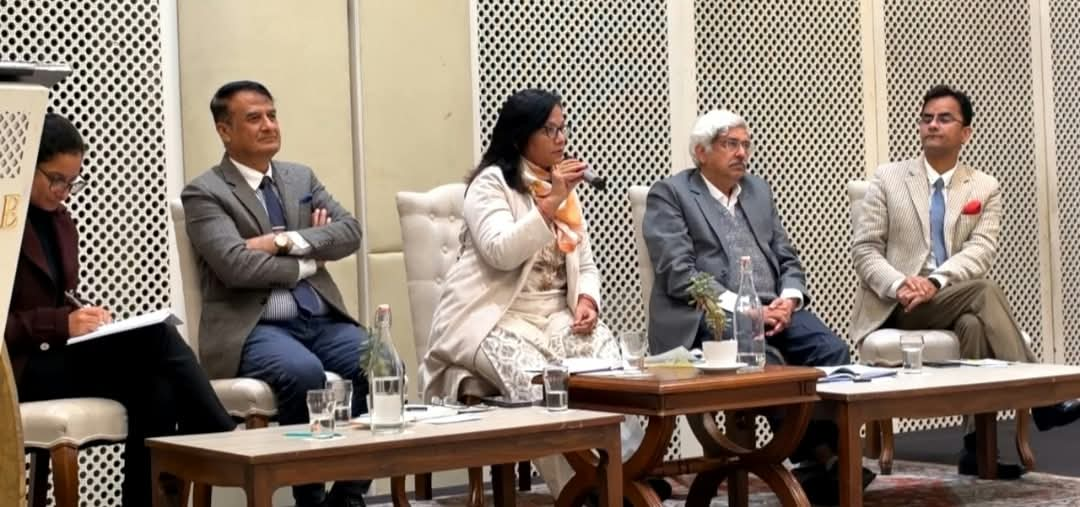
The importance of electoral reform, inclusive political representation and sustainable peace in strengthening Nepal’s democratic institutions was the focus of an interaction programme titled “Electoral Reform, Inclusion and Sustainable Peace”, held in Kathmandu on Wednesday, 25 November 2026.
The programme was organised by the Central Department of Conflict, Peace and Development Studies at Tribhuvan University, with support from the International Institute for Democracy and Electoral Assistance (International IDEA).
The interaction programme brought together academics, political and governance experts, and other stakeholders to explore the relationship between electoral integrity, inclusive representation and long-term peacebuilding in Nepal.
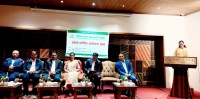
The inaugural session featured remarks by Prof. Dr. Hem Raj Subedi and Prof. Dr. Krishna Belbase, followed by an inaugural address from Prof. Dr. Dubi Nanda Dhakal, Dean of the Faculty of Humanities and Social Sciences at Tribhuvan University.
The programme included two technical sessions. The first session was moderated by Mr. Ajay Das, with panelists Mr. Bhoj Raj Pokharel, Prof. Dr. Krishna Khanal and Ms. Babita Basnet. The second technical session was moderated by Dr. Isha Gharti, with contributions from Prof. Dr. Kushum Shakya, Dr. Mrigendra Bahadur Karki, Prof. Dr. Kundan Aryal and Mr. Lal Bahadur Airi.
Electoral Reform as a Foundation for Democratic Accountability
Nepal's electoral system combines First-Past-the-Post (FPTP) and Proportional Representation (PR) mechanisms to strengthen democratic representation in a socially and culturally diverse society. However, questions surrounding electoral integrity, political accountability and meaningful participation remain important areas for institutional reform.
Policy discussions on electoral reform increasingly encompass voter registration and roll management, transparent political campaign financing, fair candidate selection, voting opportunities for Nepali migrant workers and temporary voters, advance voting arrangements, and the possibility of introducing a None of the Above (NOTA) option.
The potential use of digital and electronic voting technologies also requires careful consideration of cybersecurity, accessibility, legal frameworks, digital inequalities and public trust.
Strengthening Inclusion and Political Representation
Political inclusion remains central to Nepal's democratic transformation. The Constitution of Nepal 2015 establishes commitments to proportional inclusion and women's representation in state institutions, recognising the historical exclusion of women, Dalits, Indigenous Peoples, Madhesi communities and other marginalised groups.
Despite these constitutional commitments and progress in representation, significant gaps remain, particularly in direct electoral contests and access to senior political leadership.
The participation of young people has also emerged as an important dimension of democratic renewal, particularly following the youth-led protests of September 2025 and the subsequent political developments. Ensuring meaningful opportunities for young people to participate in political decision-making and leadership remains essential for strengthening public confidence in democratic institutions.
Electoral Democracy and the Path to Sustainable Peace
Nepal's experience of conflict transformation, particularly following the signing of the Comprehensive Peace Agreement (CPA) in 2006, demonstrates that sustainable peace requires more than the formal conclusion of armed conflict.
Credible elections, accountable institutions, inclusive governance, social justice and equal opportunities are essential to addressing historical grievances and strengthening public trust.
Effective implementation of federalism, clarification of intergovernmental responsibilities, equitable resource distribution and progress in transitional justice are equally important for consolidating Nepal's democratic achievements.
The interaction programme provided an important platform for academic and policy engagement on how electoral institutions can become more transparent, inclusive and accountable while contributing to sustainable peace and democratic stability.
As Nepal continues its political and institutional transformation, strengthening electoral integrity and ensuring meaningful participation across all sections of society remain fundamental to building a more representative, accountable and peaceful democracy.
#ElectoralReform #InclusiveDemocracy #SustainablePeace #PoliticalInclusion #DemocraticGovernance #ElectionIntegrity #Peacebuilding #YouthParticipation #GenderEquality #SocialJustice #Federalism #HumanRights #Nepal #InternationalIDEA #TribhuvanUniversity #EcosphereNews