Kathmandu, 7 November 2026 - Taranga Nepal has unveiled the cover of The Sunshine Flood: The Day the Mountain Fell Without a Cloud in the Sky, a book documenting the devastating Bhotekoshi floods of 26 August 2026, their human and environmental impacts, and critical lessons for disaster preparedness and resilience in the Himalayan region.
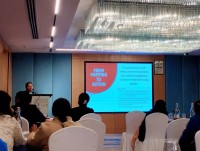
The cover was unveiled on Saturday at a programme held at the Library Hall of the Institute of Engineering (IOE), Pulchowk Campus, Lalitpur, attended by experts, researchers, engineers, development professionals, authors, editors and representatives of various organisations.
Authored by Dr. Ishwor Thapa and Engineer Rajan Thapa, with contributions from seven co-editors, the book brings together scientific research, documented evidence and firsthand experiences of disaster-affected communities. It explores the disaster's origins, human casualties, search and rescue operations, humanitarian response, recovery challenges and strategies to reduce future disaster risks.
The title reflects the extraordinary nature of the disaster. On 26 August 2026, without conventional flood warning signs such as rainfall, cloudy skies or rising river levels, a massive ice and rock avalanche in the Langtang Lirung Himalayan region triggered a catastrophic flood through the Lhende River into the Bhotekoshi and Trishuli river systems, devastating settlements, infrastructure and livelihoods, particularly in Rasuwa and Nuwakot. According to figures cited in the book, NDRRMA had confirmed 1,455 deaths and reported 5,285 people missing by early October 2026.
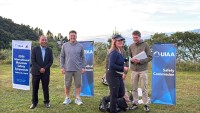
During the programme, Taranga Nepal Executive Director Amit Prasad Timalsena presented Behind the Scenes, highlighting the organisation's field assessments, humanitarian interventions and engagement with affected communities following the disaster.
In collaboration with Peace Winds Japan (PWJ) and MERCY Malaysia, and with support from Japan Platform, Taranga Nepal conducted Rapid Needs Assessments in affected areas of Rasuwa and Nuwakot. Its relief initiatives included distributing household essentials, debris-removal tools, medicines and winter supplies, as well as installing a solar energy and inverter system at Bidur Municipality Ward No. 10 office.
Divided into six parts and 31 chapters, the book examines Himalayan geological processes, disaster impacts, community experiences, economic and environmental losses, hydropower safety, food security, early warning systems and the challenges of reconstruction. It also highlights the importance of cross-border information sharing, risk-informed reconstruction and improved identification of missing persons.
A key strength of the publication is its integration of scientific analysis, verified information and human experiences, while distinguishing documented facts from personal accounts and unresolved questions.
The publication is expected to serve as an important reference for researchers, policymakers, disaster management professionals and development organisations, contributing to stronger preparedness, safer reconstruction and community-centred recovery.
Through this initiative, Taranga Nepal aims to strengthen national and international understanding of cascading Himalayan disasters and promote more resilient communities.
The book carries a powerful message for future generations: a clear sky does not always mean safe weather.
#TarangaNepal #TheSunshineFlood #BhotekoshiFlood #RasuwaFlood #NepalFloods #DisasterManagement #ClimateResilience #HimalayanDisasters #EarlyWarningSystems #CommunityResilience #DisasterRiskReduction #Nepal #EcosphereNews