Kathmandu, November 4, 2026 - Minister for Energy, Water Resources and Irrigation Biraj Bhakta Shrestha has called for a strategic shift in Nepal’s renewable energy sector from subsidy-based programmes towards an investment-driven model that promotes private sector participation, entrepreneurship, employment generation and increased production.
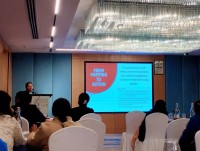
Addressing the 30th anniversary ceremony of the Alternative Energy Promotion Centre (AEPC) in Kathmandu, Minister Shrestha said renewable energy should no longer be viewed merely as a sector dependent on government subsidies. Instead, it should become a key foundation of Nepal’s national economy, contributing to economic growth, energy security and sustainable development.
The minister emphasized that Nepal must build on the achievements made in renewable energy over the past three decades and translate them into tangible economic benefits. He highlighted the importance of connecting renewable energy development with private investment, business opportunities, productive enterprises and job creation.
His remarks underscore the need to move beyond the traditional approach of promoting renewable energy primarily through subsidies and towards a sustainable financing and investment framework capable of attracting businesses and encouraging innovation.
Over the past three decades, AEPC has played an important role in promoting alternative and renewable energy technologies in Nepal, supporting access to clean energy, particularly in rural and underserved communities.
Nepal has considerable potential to expand renewable energy through hydropower, solar energy, biogas and other locally available resources. Linking these resources with productive sectors such as agriculture, tourism, industry and small enterprises could create new employment opportunities while strengthening local economies.
The minister's call comes at a time when Nepal is seeking to accelerate its clean energy transition, improve energy access and expand the productive use of domestically available renewable energy resources.
The broader challenge will be to establish an enabling environment that encourages private investment while ensuring affordable, inclusive and reliable access to clean energy, particularly for communities that continue to face energy and infrastructure challenges.
As AEPC marks 30 years of work in Nepal's renewable energy sector, the emphasis on investment, entrepreneurship and economic productivity signals an opportunity to connect the country's clean energy ambitions more closely with national prosperity and long-term resilience.
#EcosphereNews #RenewableEnergy #CleanEnergy #AEPC #BirajBhaktaShrestha #EnergyTransition #SustainableDevelopment #GreenEconomy #PrivateSectorInvestment #EnergySecurity #Nepal #ClimateAction