Kathmandu, November 4, 2026 - The strengthening El Niño phenomenon in the tropical Pacific Ocean is raising concerns about increasingly unpredictable weather patterns across South Asia, with Nepal facing heightened risks to its agriculture, ecosystems, water resources, energy security and public safety.
International climate forecasts indicate that the ongoing El Niño could become one of the strongest events on record, potentially influencing global temperature and precipitation patterns through the end of 2026 and into early 2027. The World Meteorological Organization (WMO) has warned that the phenomenon is expected to intensify, increasing the likelihood of climate-related extremes in different parts of the world.
Although El Niño originates thousands of kilometres away in the tropical Pacific Ocean, its influence on atmospheric circulation can significantly affect South Asian weather systems, including the South Asian monsoon. For Nepal, where livelihoods and economic activities remain closely connected to seasonal rainfall, the developing phenomenon presents serious environmental and socioeconomic challenges.
Weak Monsoon and Prolonged Drought Threaten Agriculture
Nepal receives approximately 80 per cent of its annual precipitation during the June-September monsoon season. Consequently, changes in monsoon circulation can have substantial consequences for agricultural production, drinking water supplies and rural livelihoods.
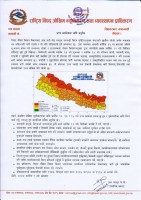
According to Nepal's Department of Hydrology and Meteorology (DHM), its 2026 monsoon outlook indicated a 55-65 per cent probability of below-normal rainfall in southern Koshi, eastern Madhesh, most parts of Lumbini and southern Karnali. The department also projected above-normal temperatures across several parts of the country.
Historical climate records demonstrate the potential agricultural consequences of El Niño-associated rainfall deficits. Nepal has experienced approximately 9 per cent below-average monsoon rainfall during El Niño years, although the severity varies considerably between events. In 1992, monsoon rainfall was nearly 20 per cent below normal, coinciding with an estimated 18 per cent decline in national rice production.
The combination of delayed rainfall, prolonged dry spells and elevated temperatures can affect paddy transplantation, crop growth and soil moisture, particularly in Nepal's southern agricultural plains.
Food Security and Rising Economic Pressure
Agriculture remains a major source of employment and livelihoods in Nepal, particularly in rural communities that depend on rain-fed farming.
Insufficient monsoon rainfall can delay rice transplantation, reduce cultivated areas and lower agricultural productivity. Madhesh Province, traditionally regarded as Nepal's agricultural heartland, is particularly important to national food production.
Reduced domestic harvests could increase dependence on food imports, place additional pressure on household incomes and contribute to higher food prices. Smallholder farmers, landless agricultural workers and economically vulnerable households are likely to face disproportionate consequences.
The potential impacts extend beyond rice production to other crops, livestock, fisheries and agricultural supply chains.
Extreme Weather Creates Multiple Disaster Risks
El Niño is generally associated with changes in regional rainfall patterns, but its impacts are not uniform. While some areas may experience prolonged drought, others can face intense rainfall and extreme weather events.
For Nepal, the combination of changing precipitation patterns, rising temperatures, fragile mountain landscapes and increasing exposure to climate-related hazards creates a complex disaster-risk environment.
Sudden intense rainfall can trigger flash floods, landslides, riverbank erosion and infrastructure damage. Meanwhile, rising temperatures can accelerate glacier melt and increase pressure on high-altitude glacial environments.
Nepal's catastrophic August 2026 Bhote Koshi-Trishuli flood disaster has already demonstrated the country's vulnerability to cascading mountain hazards.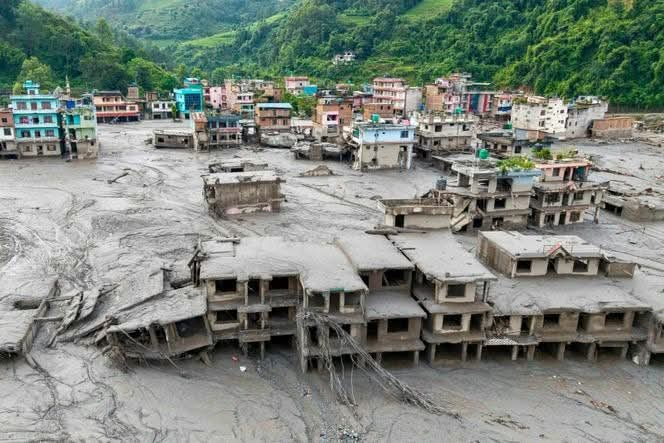
According to the Government of Nepal's preliminary Rapid Damage and Needs Assessment, the disaster affected 37 motorable bridges and 68 suspension bridges, while 13 hydropower projects, a solar power plant and two transmission lines were also damaged. The assessment reported that approximately 783 megawatts of hydropower generation capacity had been affected.
However, the disaster should not automatically be attributed to El Niño. Its immediate geological and hydrological triggers must be distinguished from broader climate influences. The event nevertheless highlights the urgent need for stronger mountain-risk monitoring, climate adaptation and disaster preparedness.
Hydropower and Drinking Water Under Pressure
Nepal's dependence on hydropower makes its energy sector particularly sensitive to changes in river flows and seasonal precipitation.
Reduced rainfall and prolonged dry periods can lower river discharge, affecting run-of-the-river hydropower generation, particularly during the dry winter months when electricity demand remains substantial.
The destruction of hydropower infrastructure during extreme disasters adds another layer of vulnerability to national energy security.
Water scarcity is also becoming an increasing concern for communities dependent on natural springs, groundwater and small local water systems. Prolonged dry spells can reduce spring discharge, lower groundwater levels and increase competition for limited drinking and irrigation water.
These challenges are particularly serious in rural and mountainous settlements, where alternative water infrastructure is often limited.
Growing Public Health Concerns
Changing climatic conditions can also intensify public health risks.
Water shortages, damaged sanitation infrastructure and contaminated drinking water supplies can increase the likelihood of waterborne diseases, including diarrhoeal illnesses and cholera.
Rising temperatures and changing rainfall patterns may also influence the distribution and seasonal activity of disease-carrying mosquitoes, potentially expanding the geographical and seasonal risks associated with dengue and malaria.
Communities with limited access to healthcare, safe drinking water and sanitation facilities are especially vulnerable.
Climate Change and El Niño: A Compounding Challenge
Scientists distinguish between El Niño, a naturally occurring climate phenomenon, and human-induced climate change. However, their combined effects can intensify certain climate-related risks.
Human-induced global warming is increasing the baseline temperature of the atmosphere and oceans, potentially making heatwaves more severe and increasing the amount of moisture the atmosphere can hold. El Niño can add further warming to this already elevated global temperature baseline.
Nevertheless, the relationship between El Niño and individual extreme weather events is complex. Not every drought, flood or heatwave can be directly attributed to the phenomenon.
For Nepal, the broader concern is the increasing interaction between climate variability, rising temperatures, fragile Himalayan ecosystems, rapid environmental change and inadequate disaster resilience.
Urgent Need for Climate Preparedness and Resilient Development
As El Niño strengthens, Nepal needs to strengthen its preparedness across multiple sectors.
The government, local authorities, agricultural institutions and development partners should prioritize improved seasonal forecasting, community-based early-warning systems, climate-resilient agriculture, efficient irrigation, watershed conservation and sustainable groundwater management.
Particular attention should be given to protecting vulnerable farming communities, strengthening drinking water infrastructure, improving public health surveillance and enhancing the resilience of hydropower and transport infrastructure.
The Department of Hydrology and Meteorology, National Disaster Risk Reduction and Management Authority, agricultural institutions and local governments have important roles in translating climate information into practical preparedness and response measures.
For Nepal, the developing El Niño is more than a distant oceanic phenomenon. It is a reminder that climate variability can have far-reaching consequences for food production, water availability, energy generation, public health and economic stability.
As a Himalayan country contributing only a small share of global greenhouse gas emissions while facing substantial climate-related risks, Nepal also needs stronger international cooperation, accessible climate finance, technology transfer and support for adaptation and loss and damage.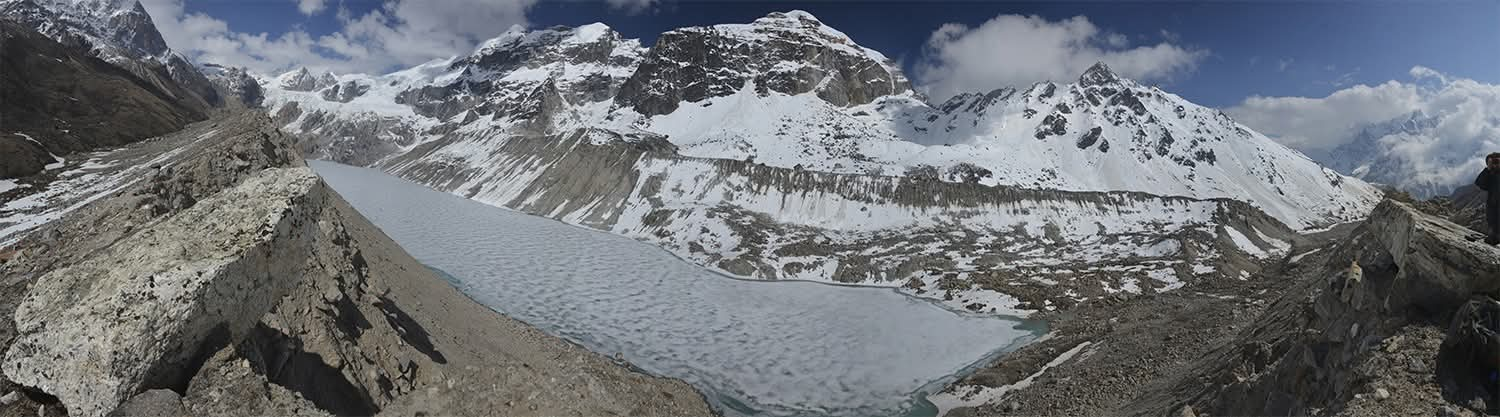
The challenge ahead is not simply to respond to the next drought, flood or heatwave, but to build a climate-resilient Nepal capable of protecting its people, ecosystems and development gains in an increasingly uncertain world.
#SuperElNino #ElNino2026 #ClimateChange #Nepal #ClimateCrisis #HimalayanEcosystems #ClimateResilience #FoodSecurity #WaterSecurity #EnergySecurity #ClimateAdaptation #DisasterRiskReduction #ExtremeWeather #Himalayas #SustainableDevelopment #ClimateJustice #EcosphereNews